





Child Development Physiotherapy in Chiswick
In short Children develop at different rates, and a change in how they move does not always mean something is wrong. At Chiswick Green Physiotherapy we help you understand what you are seeing, explore what is behind any pain or difficulty, and agree the right next step for your child, from advice to a structured exercise plan.

Clinically reviewed by Patrick Kenny, Clinical Director and Sonographer, HCPC PH106536
Have you noticed your child moving differently or struggling with pain during or after activities?
Perhaps they seem less coordinated, find it hard to keep up with friends, or regularly complain of pain after sport. You might have noticed a change in the way they walk or run, especially after a growth spurt. Or you may simply feel that something is not quite right and want someone to take a closer look.
Children develop at different rates, and a difference in movement does not automatically mean something is wrong. At Chiswick Green Physiotherapy, we help you understand what you are seeing, explore what is contributing to any pain or difficulty, and work out the right next step for your child.
What is child development physiotherapy?
Child development physiotherapy is an assessment of how your child moves, grows and copes with activity, followed by advice and exercise to help them stay comfortable and confident.
Do any of these sound familiar?
- My child keeps complaining of pain during or after activity.
- They have grown quickly and seem less coordinated than before.
- Their walking or running looks different, or they often walk on their toes.
- Their feet turn in and I am unsure whether this needs checking.
- They are very flexible but struggle with balance or control.
- They avoid PE or sport because it hurts or feels difficult.
- They have had an injury and have not returned comfortably to their usual activities.
We listen to both you and your child. The aim is to understand how their symptoms affect everyday life, rather than judge their development against another child.
Symptoms
The signs parents most often notice are pain linked to activity, a change in walking or running, and reduced coordination or confidence.
Conditions we commonly see in active children include Osgood-Schlatter disease (pain just below the kneecap) and Sever's disease (pain at the back of the heel), both linked to growth and sport.
Why can growth affect the way children move?
During a growth spurt, a child's height, limb length and body proportions can change quickly. These changes can affect flexibility, coordination and how physical demands are distributed across the body.
For an active child, the combination of growth and a busy sporting schedule can sometimes contribute to discomfort around the knees, heels, ankles, back or shoulders. Pain can develop gradually without a single accident. An assessment helps us establish what is happening rather than assuming there is, or is not, an injury.
People sometimes call pain in a growing child "growing pains". However, growth-related sporting pain is different from the specific condition known by that name, which usually causes aching in both legs in the evening or at night and settles by morning. Pain during activity, a limp or persistent pain in one area deserves a closer look.
Adapting to a changing body
Movements that previously felt automatic can feel different when limbs become longer. The brain and nervous system continue learning how to coordinate the changing body.
You can think of this as updating a library of movement information. Practice can help your child improve balance, judge where their limbs are and control movement more confidently. We choose activities that develop these skills in ways that make sense for their age and interests.
When to get urgent help
An assessment is useful when pain keeps returning, movement has changed, or your child is struggling to take part in school, play or sport. You do not need to know the diagnosis before asking for advice.
- If your child develops a limp, persistent pain in one joint or one leg, swelling, fever or unexplained weight loss, contact your GP or NHS 111 rather than assuming it is related to growth.
- Pain that wakes your child at night regularly should be checked by your GP.
- If they cannot bear weight, have a hot swollen joint with a high temperature, or appear seriously unwell, go to A&E or call 999.
How can we help your child?
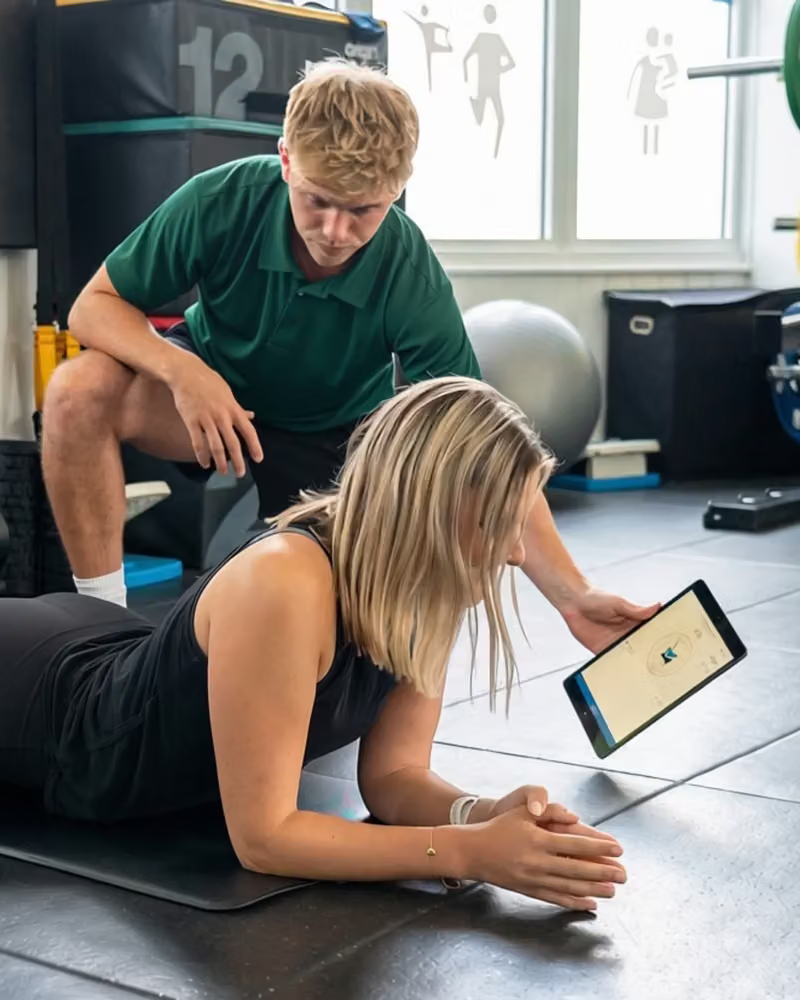
We begin by talking with you and your child about their symptoms, growth, previous injuries and usual activities. We also ask what they want to get back to doing and what matters most to them.
Depending on the concern, we may look at walking or running, joint movement, flexibility, strength, balance and coordination. We explain what we are doing in language your child can understand and adapt the assessment to their age and comfort. We then discuss our findings and agree a practical plan. If a concern needs medical investigation or input beyond physiotherapy, we explain why and help guide you towards the appropriate professional.
Treatment is built around what we find. It may include adjusting sporting load, practising movement skills, improving strength and gradually returning to activities that have become uncomfortable.
We explain which activities your child can continue, which may need adapting, and how to judge progress. Exercises should feel achievable alongside school and family life.
Finding the right balance of movement control and strength
The right programme depends on your child's stage of development, symptoms and activity demands. Some children need more emphasis on balance and coordination; others benefit from progressive strength work. Often we combine both, adapting the exercises as their needs change.
We also look at their total activity across school, clubs and training. Temporarily changing the frequency or intensity of sport can help manage symptoms while keeping them involved in suitable activities.
- Recover: understand the source of the problem and help settle pain or symptoms that are limiting everyday activity.
- Rebuild: develop the strength, balance and movement control your child needs for their changing body and chosen activities.
- Thrive: support a confident return to play, PE and sport, with guidance on managing activity as they continue to grow.
For more on how we work with young people, see our paediatric physiotherapy service. Active teenagers may also benefit from our sports physiotherapy, and our page on sports injuries covers common problems in young athletes.
Recovery time
Growth-related pain often settles as growth slows and load is managed well.
Who you will see
Your child will see one of our HCPC registered physiotherapists, led by Clinical Director Patrick Kenny. We see children aged six and over. Where further input is needed, we can work with your child's medical team or our wider network of paediatric specialists and consultants.

That depends on the pattern of symptoms. Classic growing pains usually affect both legs in the evening or at night and disappear by morning. Pain with sport, a limp or pain that stays in one place should not automatically be given that label. We can help assess the concern and advise when a GP review is needed.
Not necessarily. We consider the symptoms and the demands of each activity. The plan may involve changing training intensity, reducing sessions temporarily or choosing alternatives while symptoms settle. Some conditions do need a period away from particular activities.
Yes, these movement concerns can be explored during an assessment. Some walking variations are part of normal development. We consider your child's history and function, and advise whether reassurance, physiotherapy or further assessment is appropriate.
They can be, when exercises are appropriate to the child's development, ability and symptoms. We choose the level of resistance and supervision carefully and may combine strengthening with balance, coordination and movement practice.
Comfortable clothes that allow movement are helpful. Bring any relevant medical reports and details of their typical school and sporting week. If the concern relates to walking or running, bring the footwear they normally use.
This varies. We explain the initial plan after assessment and review it according to symptoms and progress. Some children mainly need advice; others benefit from a longer period of rehabilitation.
Want to understand what is holding your child back? An assessment can help you make sense of their symptoms and decide how to support them. Book a child development assessment online or speak to our team on 020 3813 0114 if you are unsure which appointment to choose.