






Clinical Massage in Chiswick
In short Clinical massage at Chiswick Green Physiotherapy uses soft tissue, deep tissue and sports massage techniques to ease muscle tension, reduce aches and support recovery from training or injury. Sessions start at £51 for 30 minutes at our South Parade clinic.
Clinically reviewed by Patrick Kenny, Clinical Director and Sonographer, HCPC PH106536
Are tight, aching muscles wearing you down?
Do your shoulders creep up towards your ears by the end of the working day? Do your legs feel heavy and tight after a long run, or does a stiff back make it hard to get comfortable at night?
Muscle tension can build slowly until it starts to affect your sleep, your mood and how much you enjoy moving. A clinical massage gives your body some focused attention, helps you feel looser and can be a useful part of a wider plan to keep you active.
What is clinical massage?
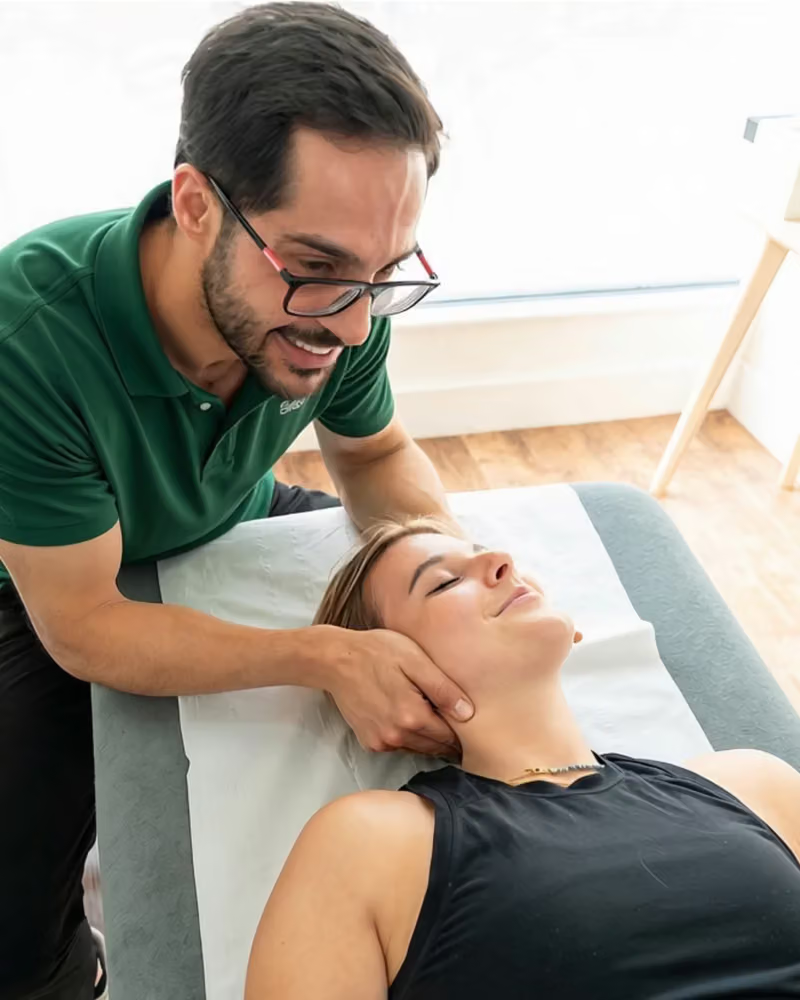
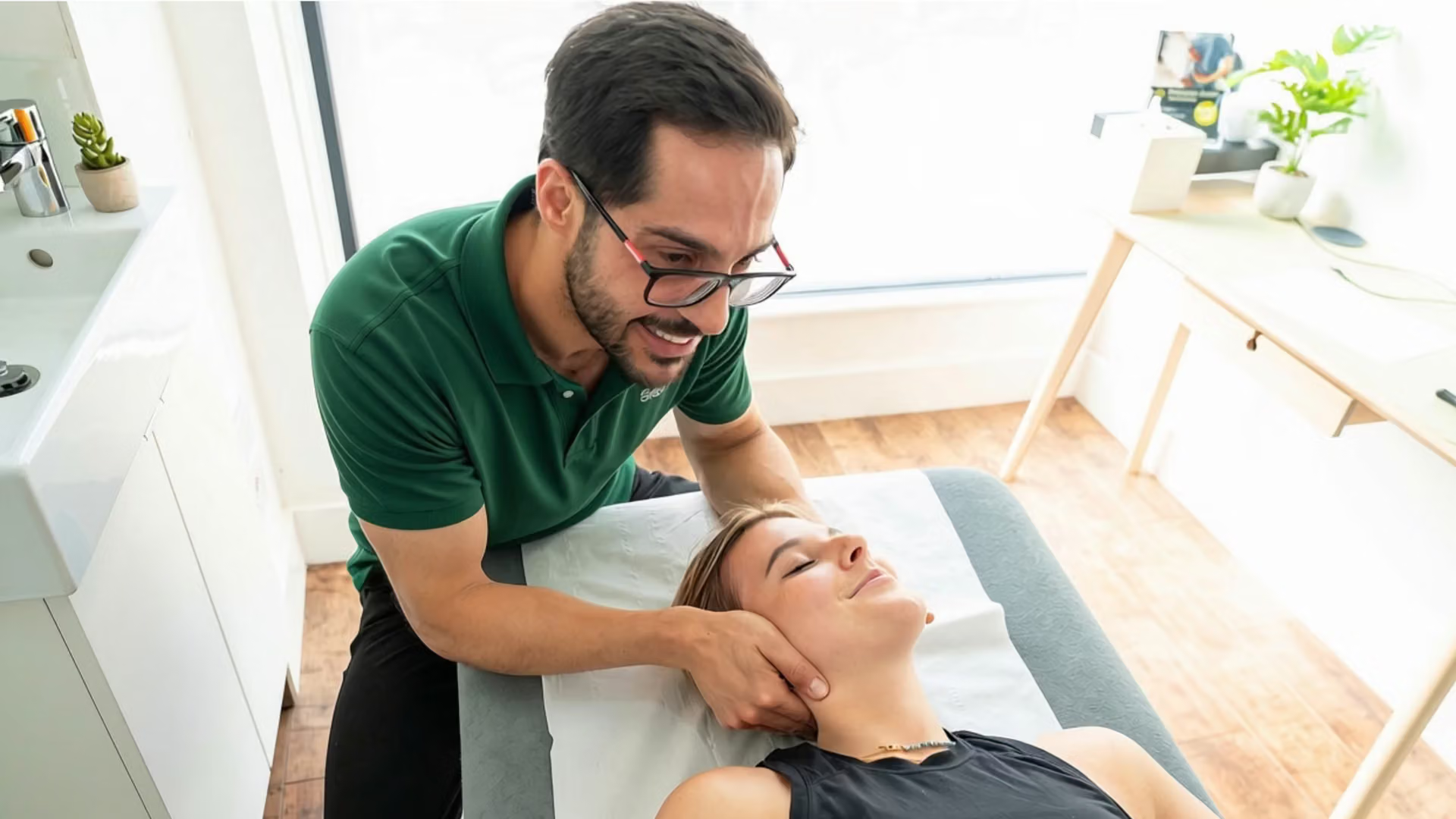
Clinical massage is hands-on treatment of the muscles and soft tissues, focused on easing pain, tension and stiffness rather than general relaxation alone. Your therapist uses your history and their findings to decide which techniques to use and where.
At our Chiswick clinic, massage may include soft tissue massage, deep tissue massage, sports massage and dry needling. Pressure is always adjusted to what feels right for you.

Who does massage help?
Massage can help anyone with muscle tension or aches, whether you sit at a desk all day or train several times a week. People often book with us for:
- Shoulder tension, neck pain and headaches linked to tight muscles
- General back pain and stiffness
- Recovery from running, gym training or team sport
- Preparing for an event or race
- Tight calves, hamstrings and hips
- Support alongside physiotherapy for muscle strains and tears
Massage is not suitable in some situations, such as over a recent fracture, a suspected blood clot, an infection or broken skin. Let us know about any health conditions when you book.
What happens at your massage appointment?
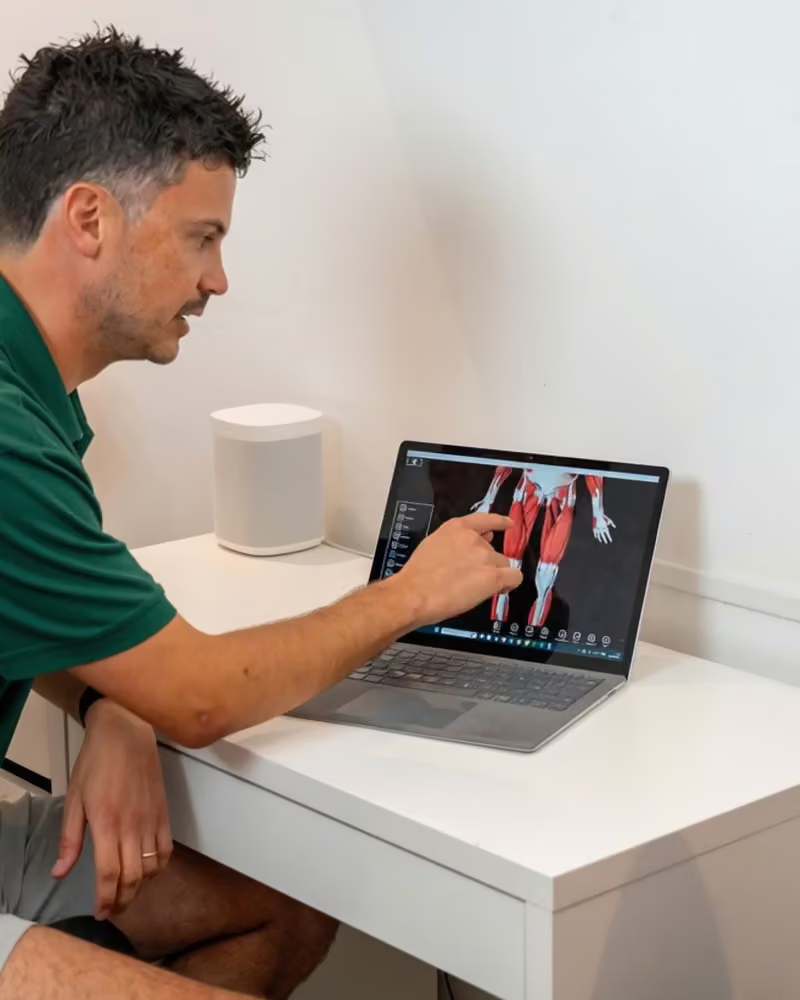
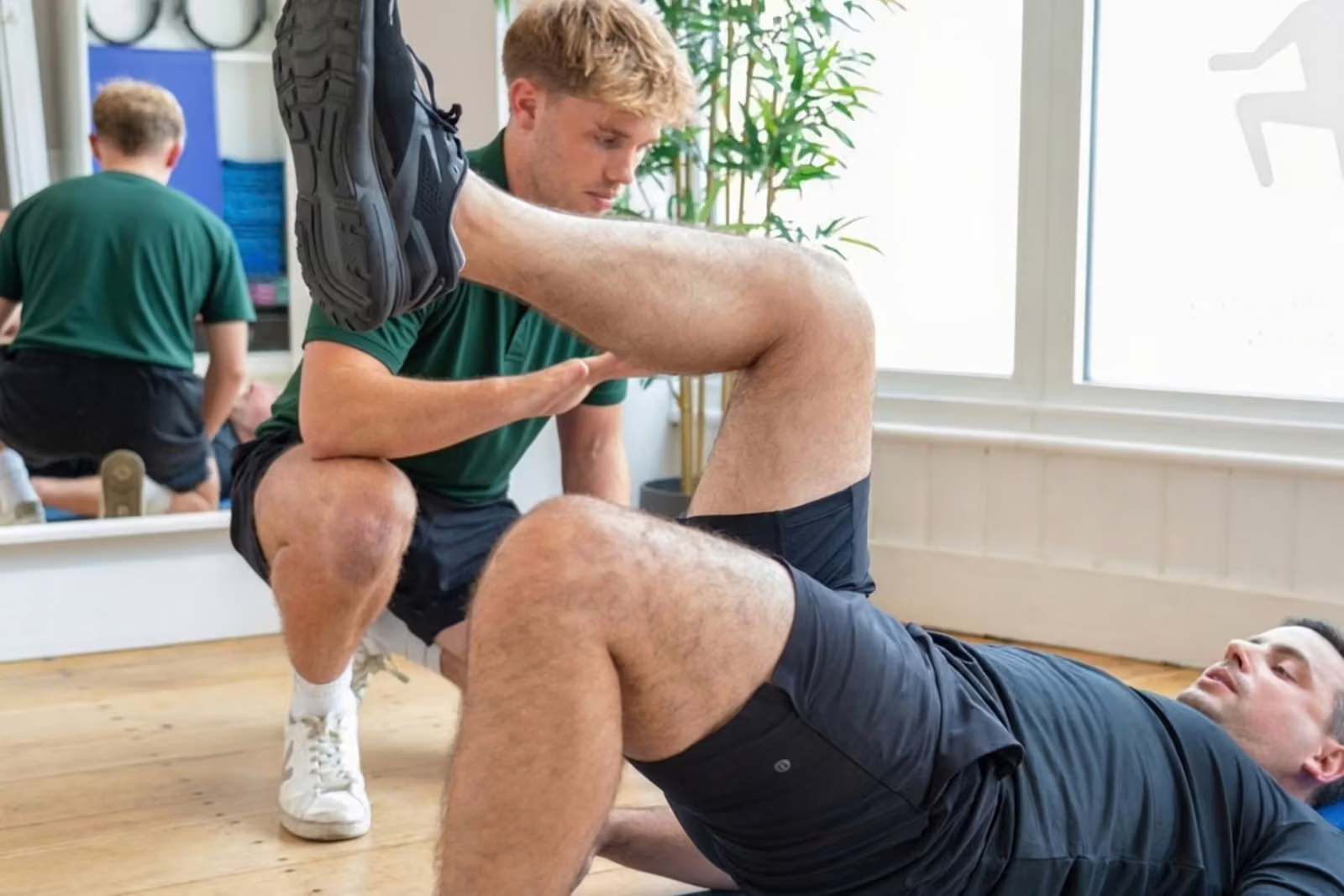
Your therapist begins with a short conversation about what is bothering you, any injuries or health conditions, and what you want from the session. They may check how you move before starting.
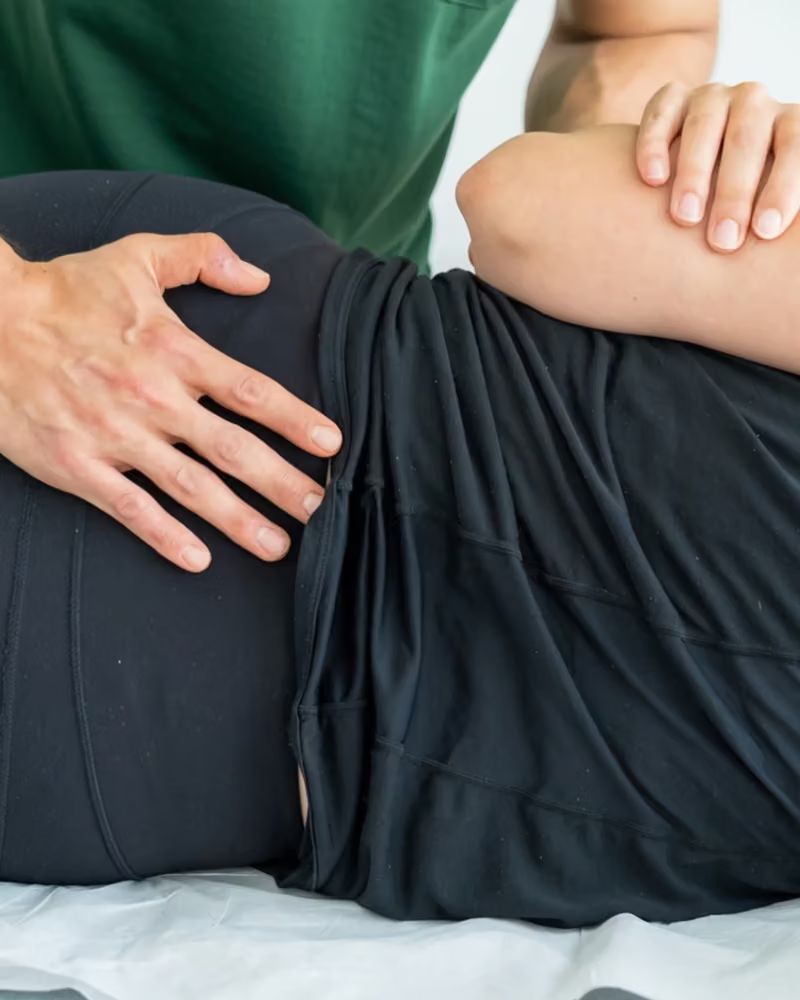
During the massage, you stay covered with towels except for the area being treated. Your therapist checks in about pressure throughout, and you can ask them to change or stop at any time. Some deeper work can feel uncomfortable, but it should never feel like more than you can manage.
Afterwards, you may feel looser straight away. Some people feel a little sore for a day or two after deep tissue or sports massage, similar to the feeling after exercise. Your therapist may suggest simple stretches or movements to keep the benefits going.
Massage fits into our Recover, Rebuild and Thrive philosophy as a way to ease symptoms, support your training and keep your body feeling ready for the things you enjoy. If your therapist feels an injury needs further assessment, they will suggest booking a physiotherapy assessment.
What is the evidence for massage?
Research suggests massage can help reduce muscle soreness after exercise and may give short-term relief for some types of back and neck pain. NICE guidelines for low back pain suggest manual therapy, including soft tissue techniques, should be used as part of a treatment package that includes exercise rather than on its own.
That is why we see massage as one useful tool. It can help you feel better and move more easily, and it works best alongside staying active and building strength. We will not promise that massage alone will fix a long-standing problem.
Who will you see?
You will be seen by one of our massage therapists. Our therapists work closely with our physiotherapy team, led by our Clinical Director Patrick Kenny, so if you need more than massage, help is right next door.

Massage prices and booking
- 30-minute massage: £51
- 60-minute massage: £87
- 90-minute massage: £125
You can find us at 76-77 South Parade, Chiswick, London W4 5LF (opens in a new tab), opposite Acton Green Common. Chiswick Park Underground station is about 5 to 7 minutes' walk away and Turnham Green about 9 to 11 minutes. Buses stop on South Parade, and there is paid on-street parking nearby as well as the Sainsbury's car park on Essex Place.
If you have a specific injury, a sports physiotherapy assessment may be a better first step, and many people combine the two.
Sports massage focuses on the muscles you use in training and on recovery or preparation for activity. Deep tissue massage uses slower, firmer pressure to work on deeper layers of muscle. Many sessions use a mix of both.
Some deeper techniques can feel uncomfortable, but your therapist checks in with you and adjusts the pressure. You can ask them to ease off or stop at any time.
It depends on your goals. Some people book around training blocks or events, others every few weeks to manage tension. Your therapist can suggest a plan that fits your routine.
Wear comfortable clothing. You will be asked to undress to a level you are comfortable with and will be covered with towels throughout, with only the area being treated uncovered.
If you have a new injury, sharp pain or symptoms that keep coming back, start with a physiotherapy assessment. If you mainly have general tightness or want help with recovery, massage is a good place to start.
Ready to feel looser and move more easily? Book your clinical massage online or call us on 020 3813 0114.