






Women's Health Physiotherapy in Chiswick
In short Women's health physiotherapy helps with bladder leaks, prolapse, pelvic pain, pregnancy, postnatal recovery and menopause-related changes. At our Chiswick clinic you get time to talk, a sensitive assessment and a plan built around your goals. Initial assessments are £151 for 60 minutes.
Have you stopped doing things because you do not quite trust your body?
Perhaps you leak when you run, cough or sneeze. You may feel heaviness in your pelvis, find sex uncomfortable, or feel unsure about returning to exercise after having a baby. Changes around perimenopause or menopause may have left you wondering what is happening and who to ask.
These symptoms can be difficult to talk about, and many women put up with them for years. You do not have to. Our women's health physiotherapists give you time to explain what has changed, assess your symptoms in detail and create a plan around what you want to do again.
What is women's health physiotherapy?
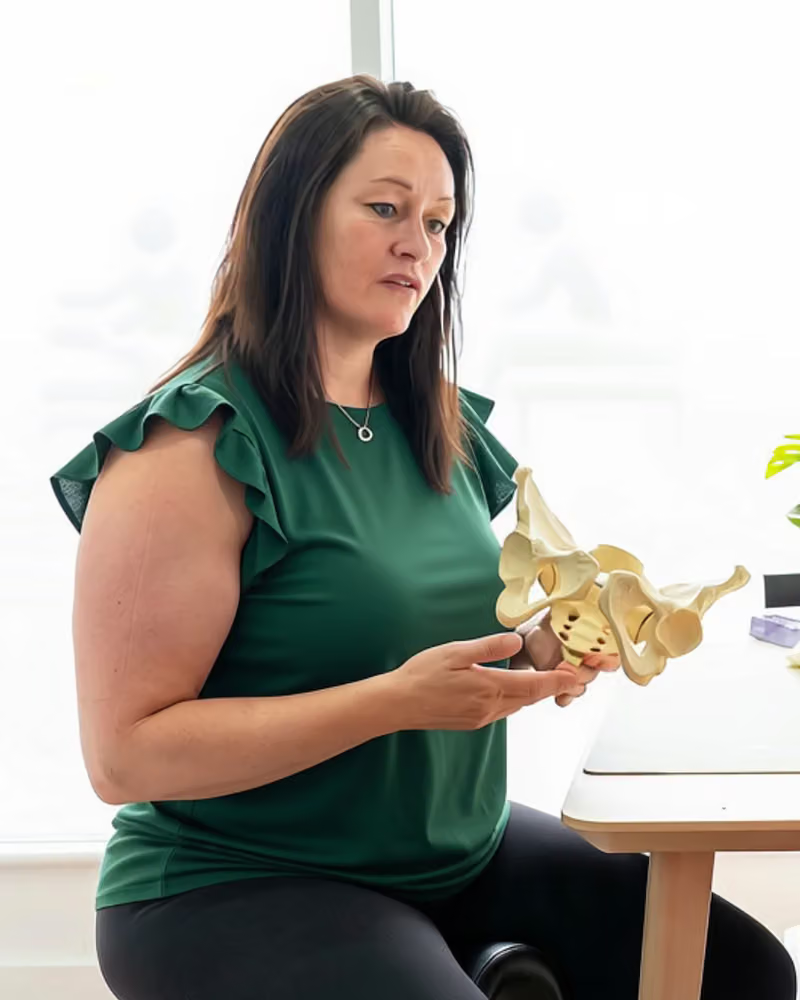
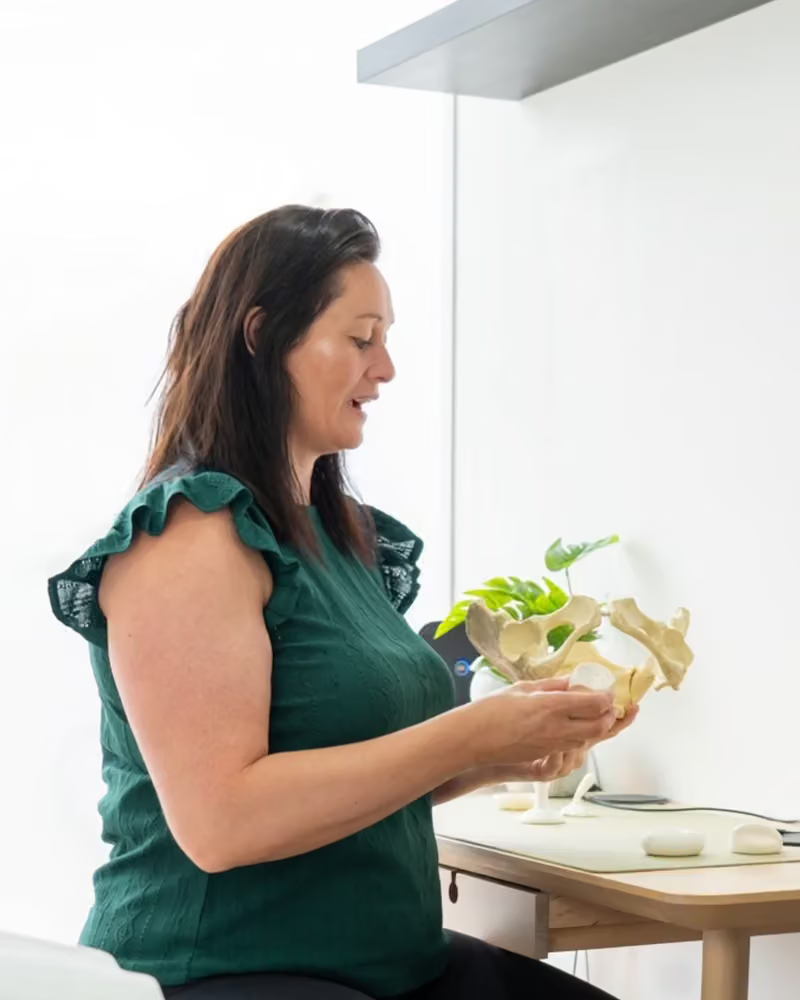
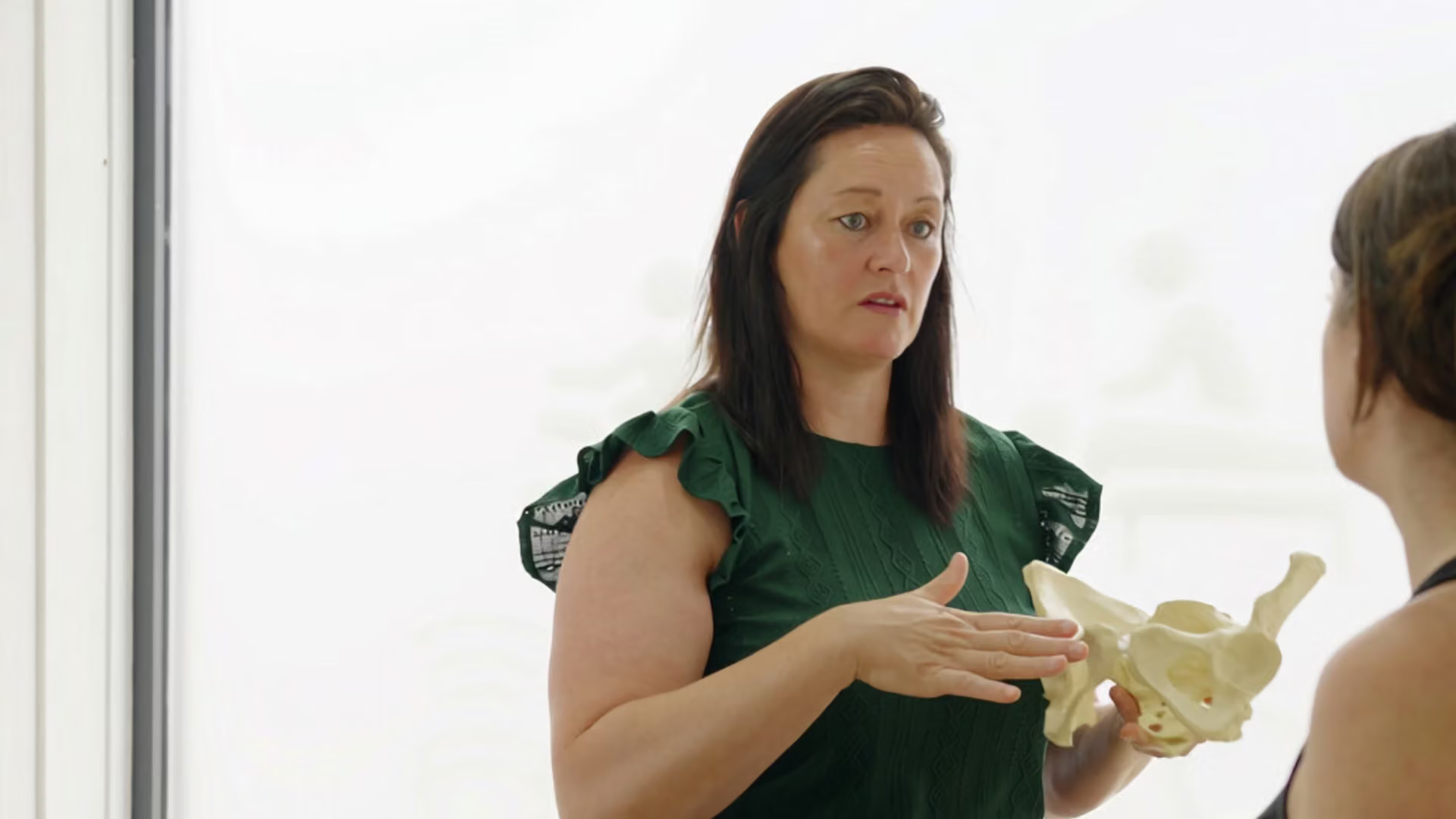
Women's health physiotherapy, also called pelvic health physiotherapy, assesses and treats problems affecting the pelvic floor, bladder, bowel, abdominal muscles and pelvis. It looks at how your pelvic floor works alongside your breathing, abdominal muscles and everyday movement.
Treatment is not just about strengthening. Some women need to improve coordination or strength, while others need help to relax the pelvic floor or manage pain. That is why a detailed assessment comes first.
Who does women's health physiotherapy help?
We support women at every stage of life, whether or not you have been pregnant. Women's health conditions we commonly help with:
- Leaking with exercise, coughing or sneezing, and urgency
- Bowel control problems
- Prolapse symptoms, such as heaviness or dragging
- Pelvic pain, including vaginismus, vulvodynia, painful sex and bladder pain syndrome
- Pelvic girdle pain in pregnancy and recovery after birth
- Tummy muscle separation, explained on our diastasis recti page
- Rehabilitation before and after gynaecological surgery
- Pelvic, bladder and exercise changes around menopause
What happens at your women's health appointment?
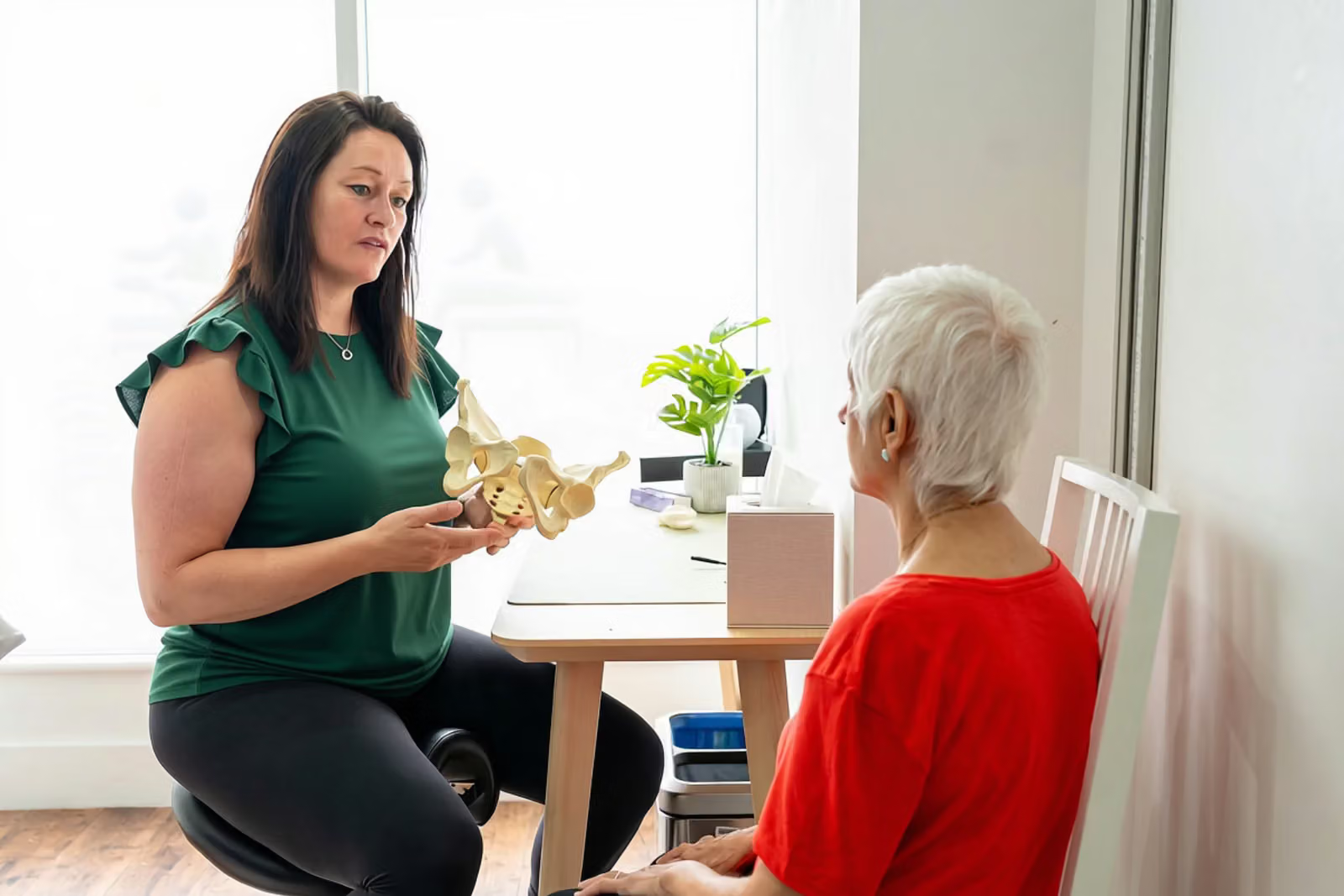
Your first appointment lasts 60 minutes and starts with a conversation, not an examination. We ask about your symptoms, health history and goals, and you can ask questions before deciding how to proceed.
Your physical assessment may include breathing, posture, abdominal function and movement. A pelvic floor examination can also be useful. If we recommend an internal vaginal examination, we explain why, what it involves and the alternatives before asking for your consent.
An internal examination is always optional. You can decline it, pause it or stop it at any time, and we will agree an approach you are comfortable with.
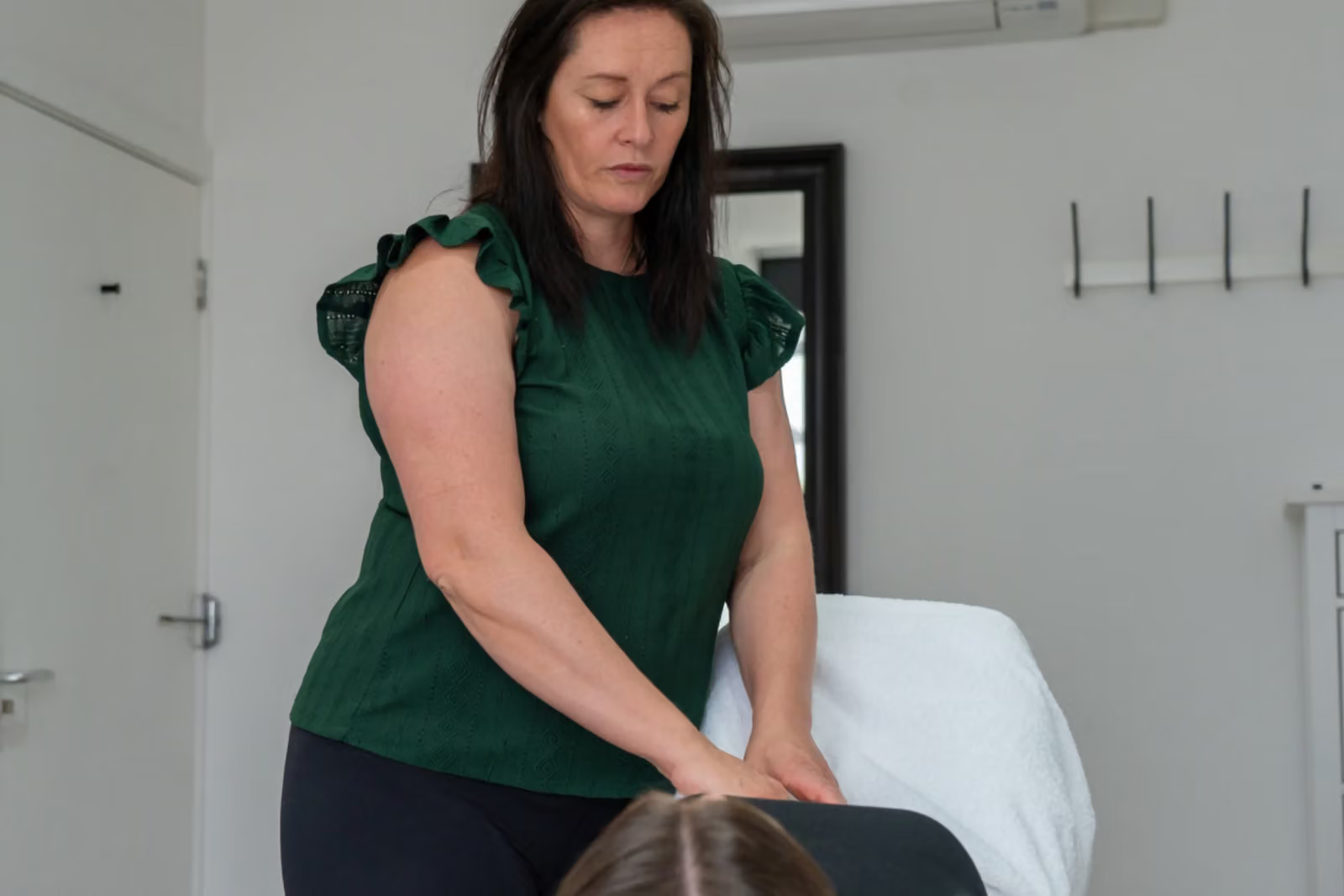
Treatment may include pelvic floor exercises, abdominal rehabilitation, bladder and bowel advice, hands-on treatment for scar sensitivity or discomfort, and a gradual return to exercise. For suitable women, we also offer pessary fitting for prolapse symptoms.
Our Recover, Rebuild and Thrive philosophy shapes your plan: we help reduce leakage, discomfort or pain, rebuild pelvic floor and abdominal strength, and support you back to exercise, intimacy and everyday life. When you are ready, you can continue in our rehabilitation gym.
What is the evidence for women's health physiotherapy?
NICE guidelines recommend supervised pelvic floor muscle training as a first-line treatment for stress urinary incontinence and for pelvic organ prolapse symptoms. Pelvic floor training is also advised during pregnancy to help reduce the chance of leakage after birth.
Our team are members of the Pelvic, Obstetric and Gynaecological Physiotherapy (POGP) network and follow HCPC professional standards. We will be honest about what to expect and cannot promise a fixed number of sessions or a particular outcome.
Who will you see?
You will see one of our women's health physiotherapists. Across the team, our clinicians have postgraduate pelvic health training and experience in pregnancy and postnatal recovery, pelvic floor rehabilitation, prolapse, pelvic pain and returning to exercise.
All our physiotherapists are HCPC registered and members of the Chartered Society of Physiotherapy.
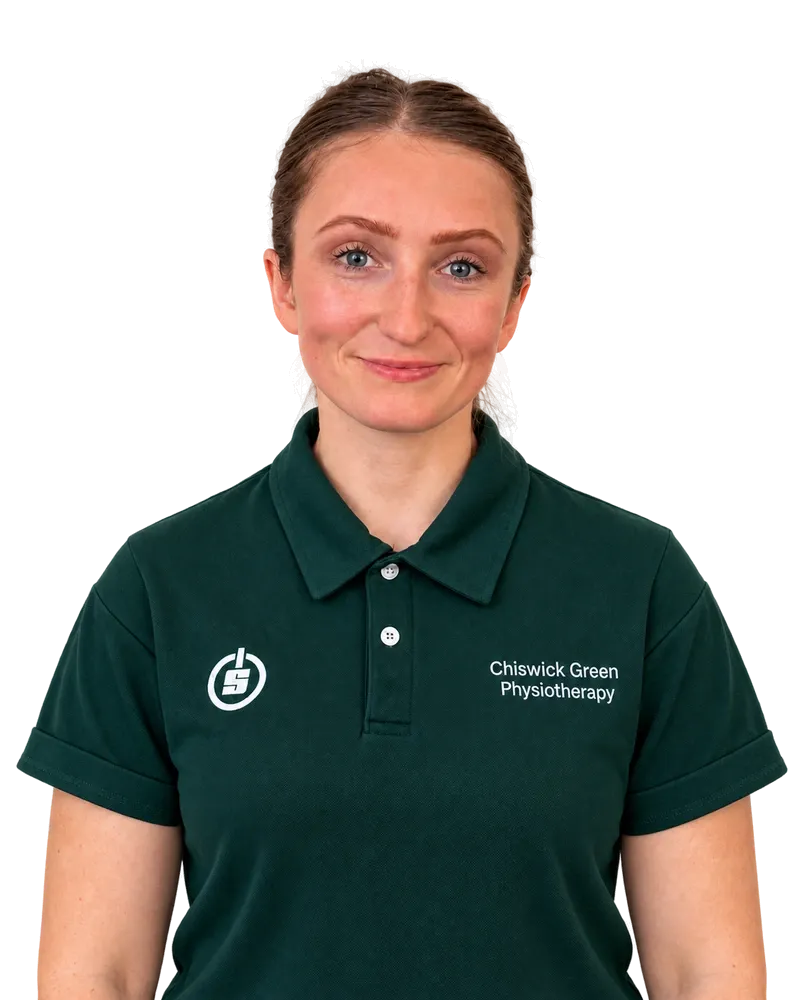 Leah Hanson Senior Physiotherapist and Pilates Instructor
Women's health physiotherapy prices and booking
- Initial assessment (60 minutes): £151
- Follow-up appointment (30 minutes): £83
- Follow-up appointment (45 minutes): £127
No GP referral is needed. We work with Bupa, AXA, Aviva, WPA, Cigna and Vitality. If you are pregnant, please let us know when you book.
You can find us at 76-77 South Parade, Chiswick, London W4 5LF (opens in a new tab), opposite Acton Green Common. Chiswick Park Underground station is about 5 to 7 minutes' walk away and Turnham Green about 9 to 11 minutes. Buses stop on South Parade, and there is paid on-street parking nearby as well as the Sainsbury's car park on Essex Place.
No. Pelvic health problems can happen at any stage of life. You can get support for leakage, heaviness or pelvic pain whether or not you have been pregnant.
No. It is offered only when appropriate and with your consent. You can decline or stop it at any time, and your physiotherapist will explain other ways to assess you.
You can take the conversation at your own pace. We use clear, respectful language and explain why we ask each question. Let us know if anything would make you more comfortable.
Yes. Pelvic health physiotherapy can help during pregnancy. Tell us you are pregnant when booking, and we will take your pregnancy and any advice from your maternity team into account.
There is no single date that suits everyone. We look at your recovery, pelvic symptoms, strength and tolerance of activity before planning a gradual return.
Ready to feel more confident in your body? Book a women's health assessment online or call our team on 020 3813 0114 to talk it through first.