








Shoulder Pain Treatment in Chiswick
In short Shoulder pain is often caused by rotator cuff problems, frozen shoulder or injury, and most cases improve with the right exercise and advice. At Chiswick Green Physiotherapy we assess what is causing your pain, help ease it and build strength and movement so you can reach, lift and sleep comfortably again.
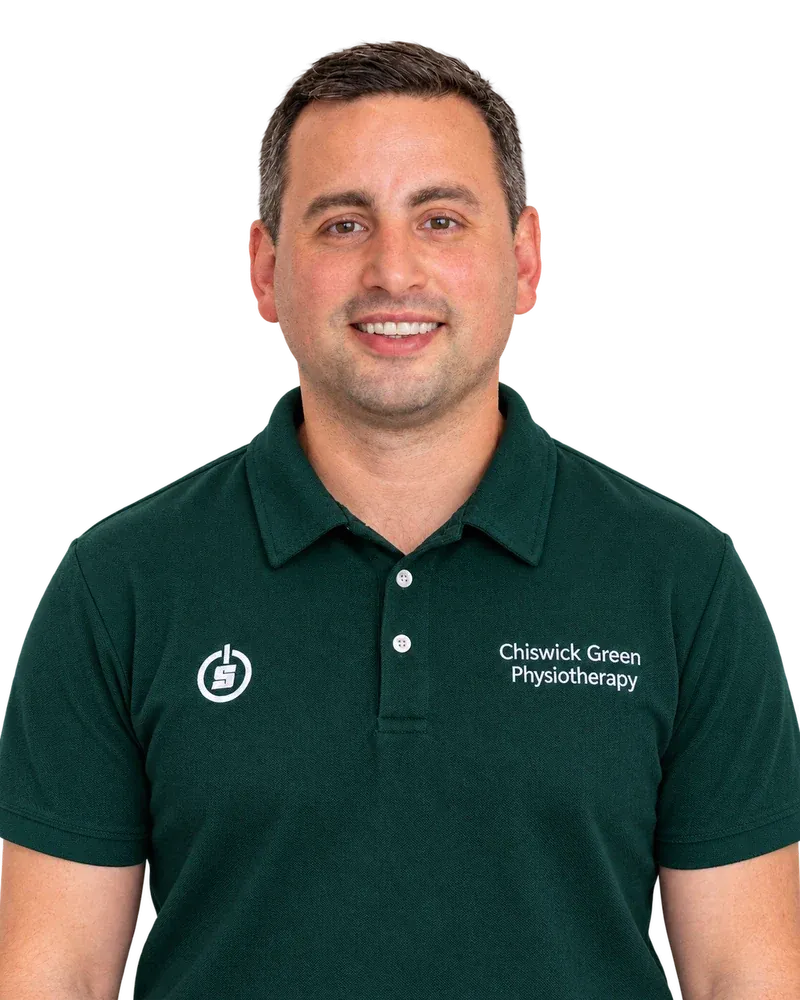
Clinically reviewed by Patrick Kenny, Clinical Director and Sonographer, HCPC PH106536
Is shoulder pain making simple tasks harder?
Do you wince when you reach for a high shelf, put on a coat or fasten your seatbelt? Are you waking at night every time you roll onto your shoulder?
Shoulder pain can affect so much of your day. You might find it hard to carry shopping, lift your children, swim or train at the gym. Some people notice the shoulder getting gradually stiffer until even brushing their hair feels difficult. It is tiring, and it is easy to start avoiding movements altogether. We will help you understand why and what you can do about it.
What is shoulder pain?
Shoulder pain is pain, stiffness or weakness in or around the shoulder joint. The shoulder is the most mobile joint in your body, which lets you reach in almost any direction. That mobility relies on a group of muscles and tendons called the rotator cuff, along with the muscles around your shoulder blade, to keep the joint controlled and strong.
Because the shoulder works so hard in daily life, it is a common place for pain. Most shoulder problems respond well to a structured exercise plan.

Symptoms of shoulder pain
Common symptoms include:
- Pain when lifting your arm out to the side or above your head
- A dull ache on the outer upper arm
- Pain lying on the affected side at night
- Stiffness and difficulty reaching behind your back
- Weakness when lifting or carrying
- Clicking, catching or a feeling that the shoulder is unstable
Sometimes pain felt in the shoulder actually comes from the neck. If you also have neck stiffness or pain spreading down your arm, our neck pain page may help.
What causes shoulder pain?
Common causes include:
- Rotator cuff related shoulder pain. Irritation or overload of the rotator cuff tendons, often linked to repetitive overhead activity or a change in workload.
- Frozen shoulder. A condition where the shoulder capsule becomes inflamed and tight, causing pain and gradually increasing stiffness. It is more common between 40 and 60 and in people with diabetes.
- Rotator cuff tears. These can happen after a fall or gradually with age.
- Shoulder instability or dislocation. Often after a sporting injury or in people with very flexible joints.
- Osteoarthritis. Changes in the shoulder or collarbone joints, more common as we get older.
Sports such as swimming, tennis, climbing and weight training can place high demands on the shoulder. You can read more on our sports injuries page.
When to get urgent help
Call 999 if you have shoulder pain, particularly in your left shoulder or arm, together with chest pain, breathlessness, sweating or feeling sick. These can be signs of a heart attack.
Go to A&E if your shoulder looks deformed after a fall or injury, if you think it has dislocated, if you cannot move your arm at all, or if you have sudden severe pain and swelling.
Seek urgent advice from your GP or NHS 111 if your shoulder is hot, red and swollen and you feel feverish or unwell, or if you have shoulder pain with unexplained weight loss or a history of cancer.
How we treat shoulder pain
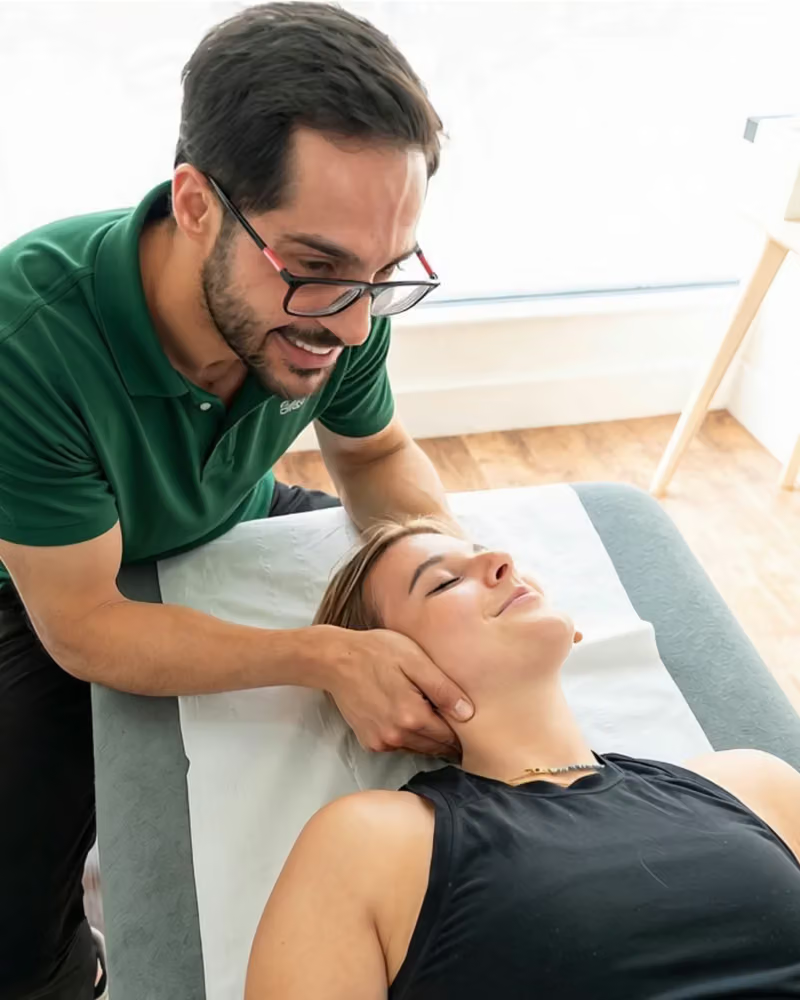
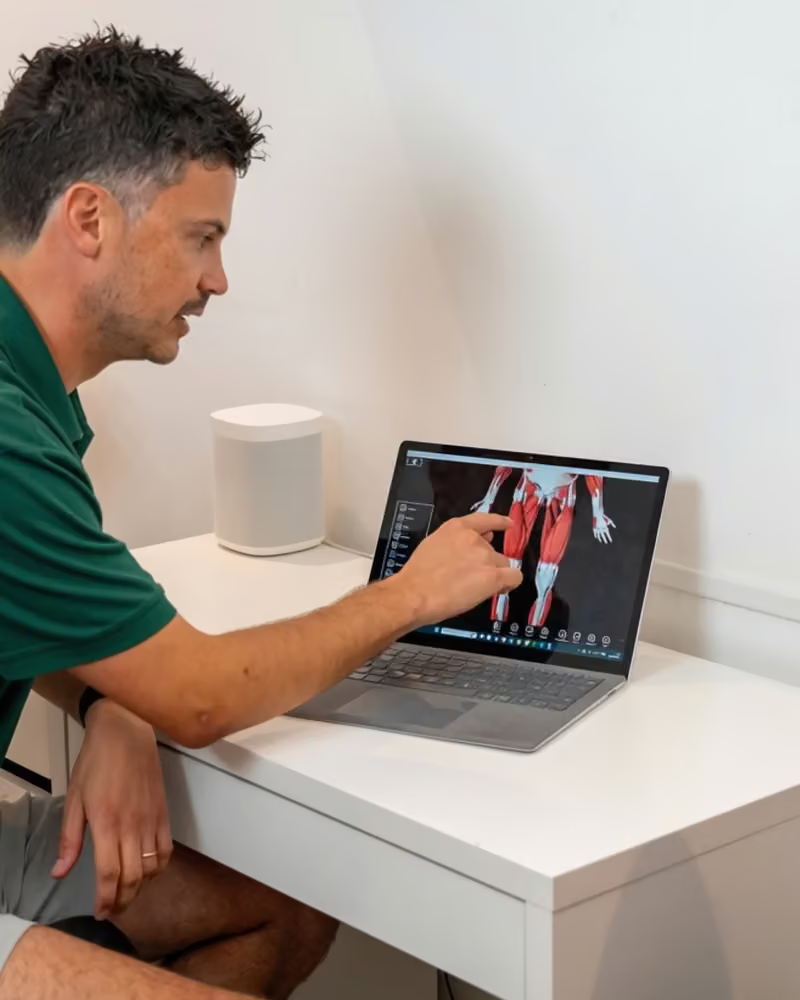
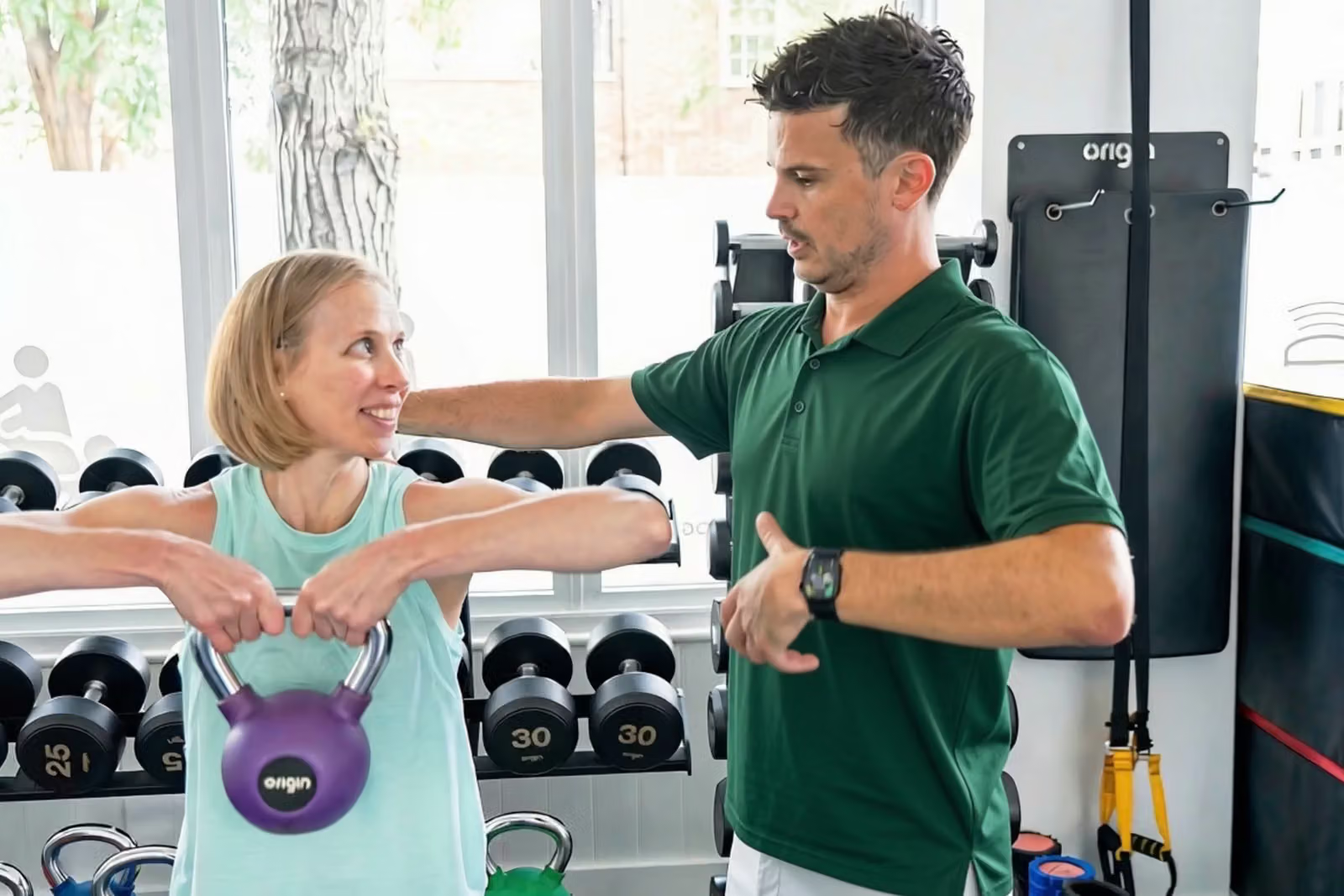
We treat shoulder pain by working out what is driving your symptoms and building a plan to restore movement, strength and confidence. Your first appointment includes a detailed conversation and a physical assessment of your shoulder, shoulder blade and neck.
We follow our Recover, Rebuild and Thrive philosophy:
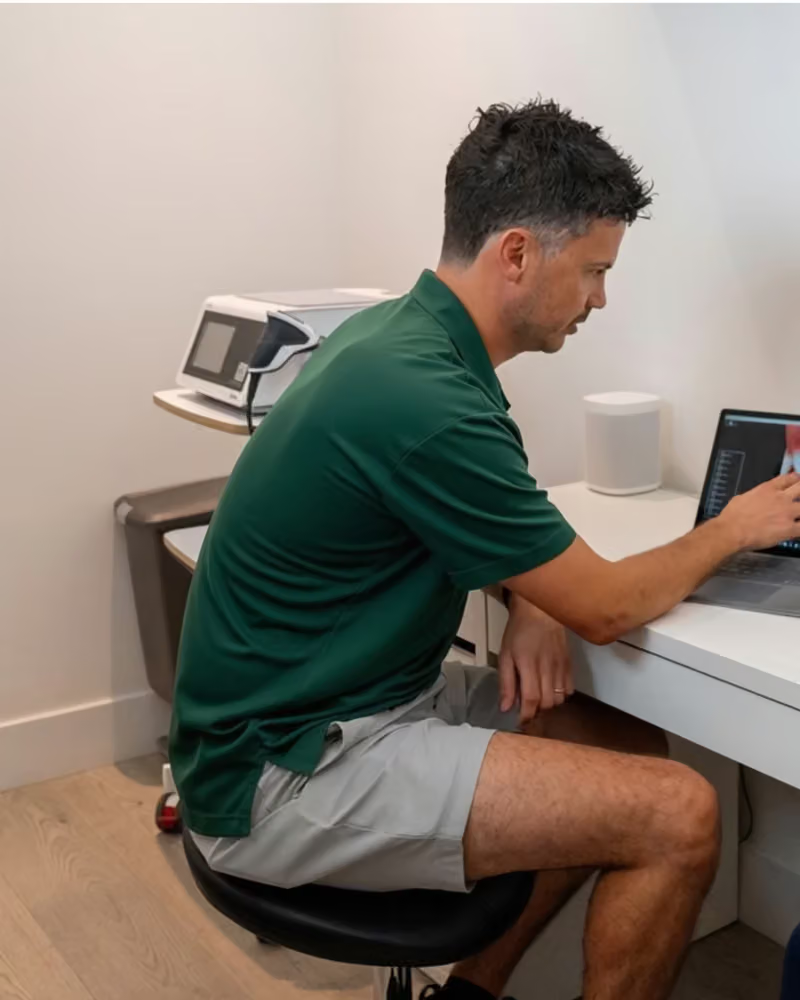
- Recover. We help ease pain with advice on sleep positions and daily activities, hands-on treatment and early exercises. Where it adds useful information, diagnostic ultrasound can help us look at the tendons around your shoulder.
- Rebuild. We progressively strengthen your rotator cuff and shoulder blade muscles in our rehabilitation gym, using strength testing to measure your progress.
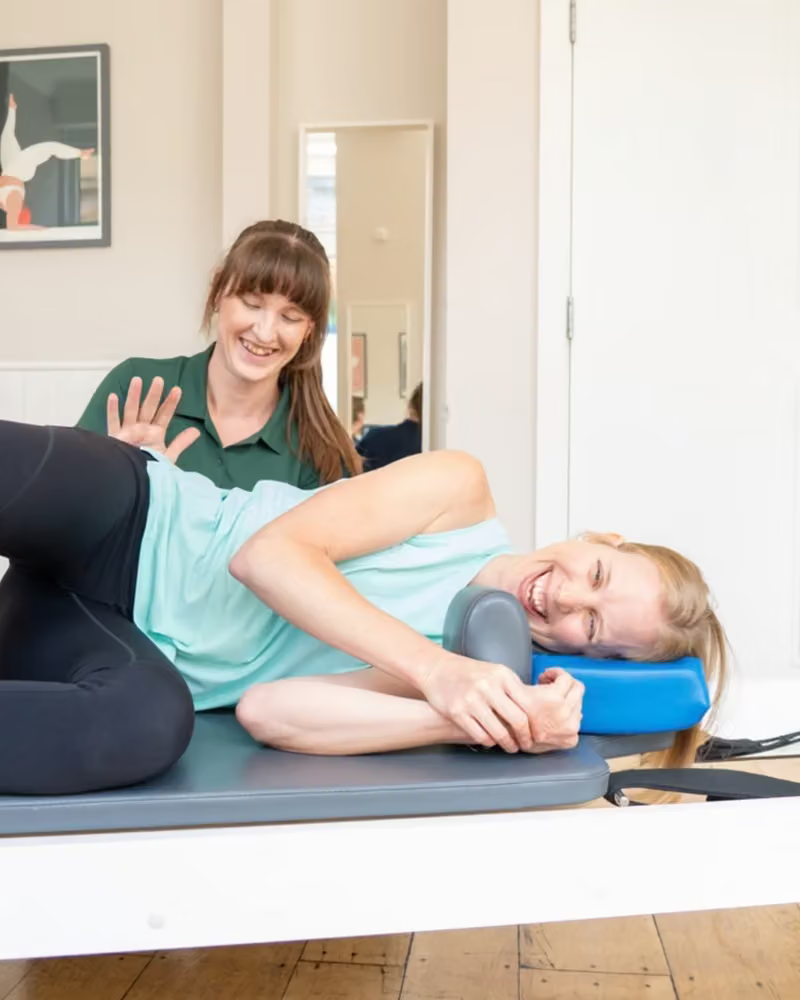
- Thrive. We help you return to swimming, lifting, racket sports or simply reaching without thinking about it, and keep your shoulders strong through reformer Pilates or continued gym work.
Our physiotherapy sessions include home exercises shared through our exercise software, with videos to help you get them right. If your symptoms need a medical or specialist opinion, we will explain why and help guide you.
How long does shoulder pain take to recover?
Rotator cuff related pain often improves over around 6 to 12 weeks of consistent exercise. Frozen shoulder can take much longer, sometimes one to three years, although physiotherapy can help you manage pain and keep as much movement as possible.
Your recovery depends on the cause of your pain, how long you have had it and your goals. We will explain what to expect after your assessment and review your progress regularly, without promising a fixed outcome.
Who you will see
You will be seen by one of our HCPC-registered physiotherapists, including Patrick Kenny, Owner and Clinical Director, with over 15 years of clinical experience, and Senior Physiotherapists Leah Hanson and Jess Vernon.
Our clinicians are employed by the clinic and spend at least three hours a week on training. We are at 76-77 South Parade, Chiswick (opens in a new tab), a short walk from Chiswick Park and Turnham Green stations. An initial physiotherapy assessment costs £99 for 60 minutes, with follow-up sessions from £79.
- Patrick Kenny Clinical Director and Sonographer
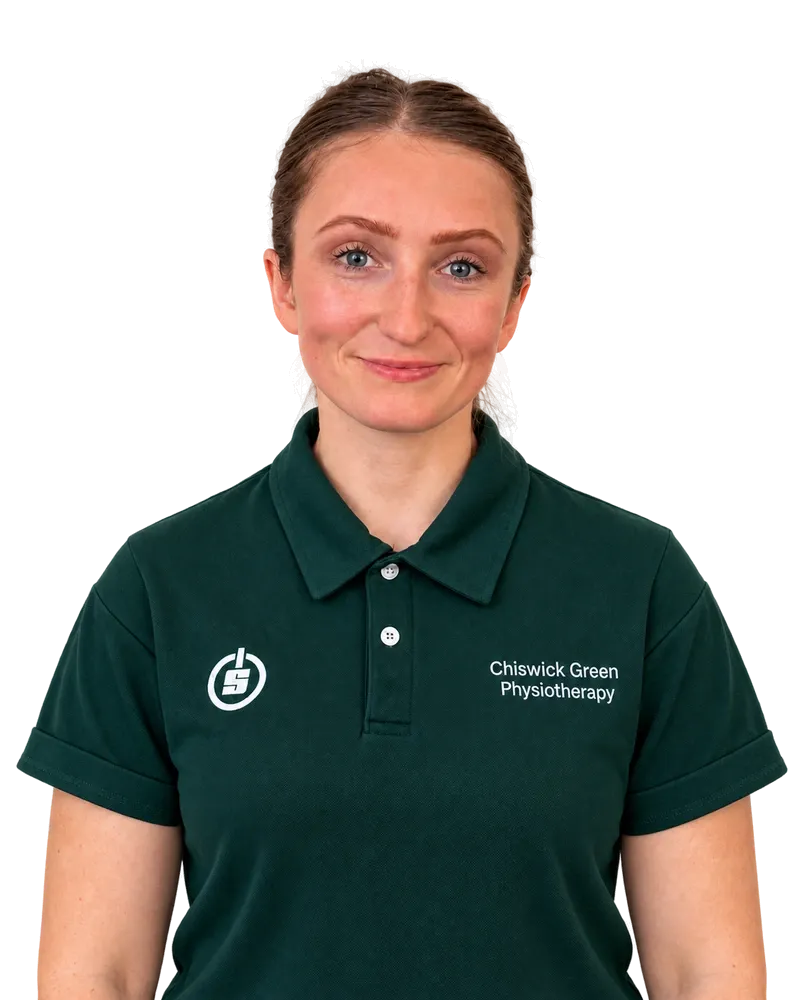 Leah Hanson Senior Physiotherapist and Pilates Instructor
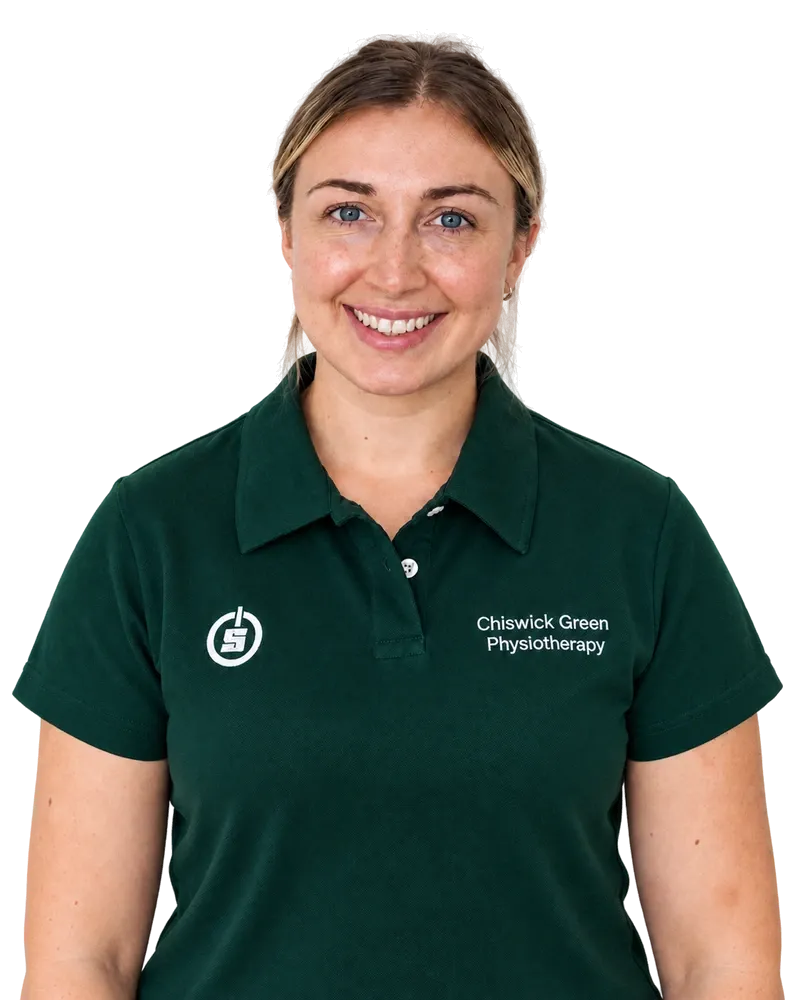 Jessica Vernon Senior Physiotherapist and Pilates Instructor
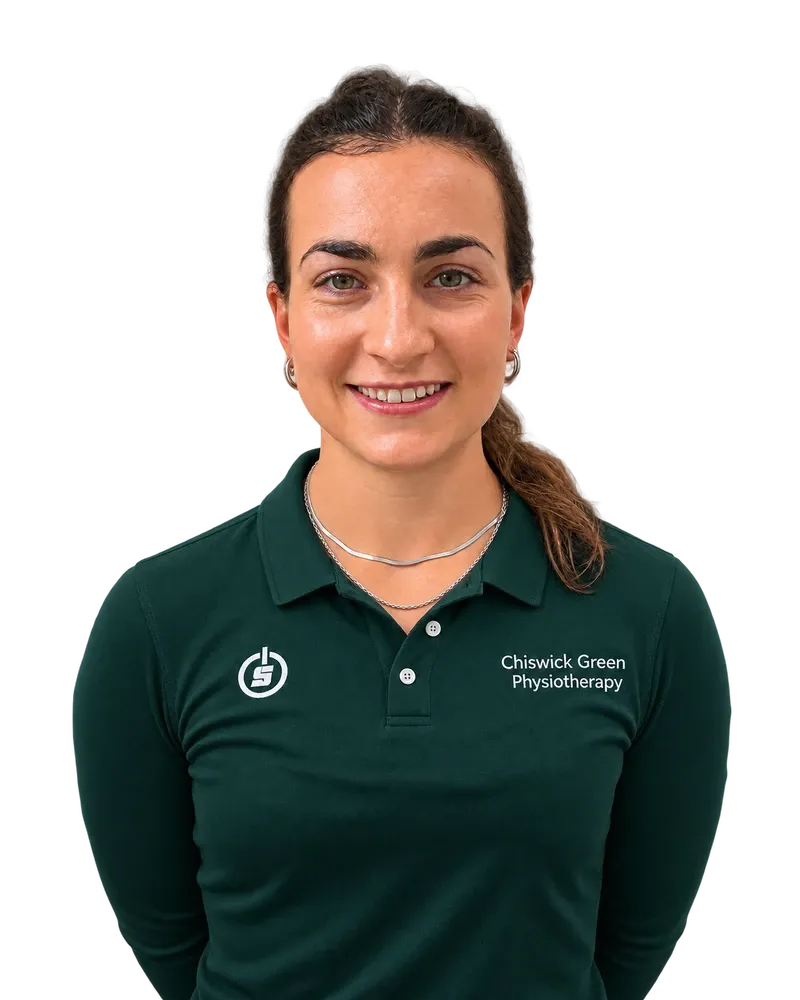 Daisy Faithfull Physiotherapist
 Izzy Stanger Massage Therapist and Personal Trainer
 Josh Tills Massage Therapist and Personal Trainer
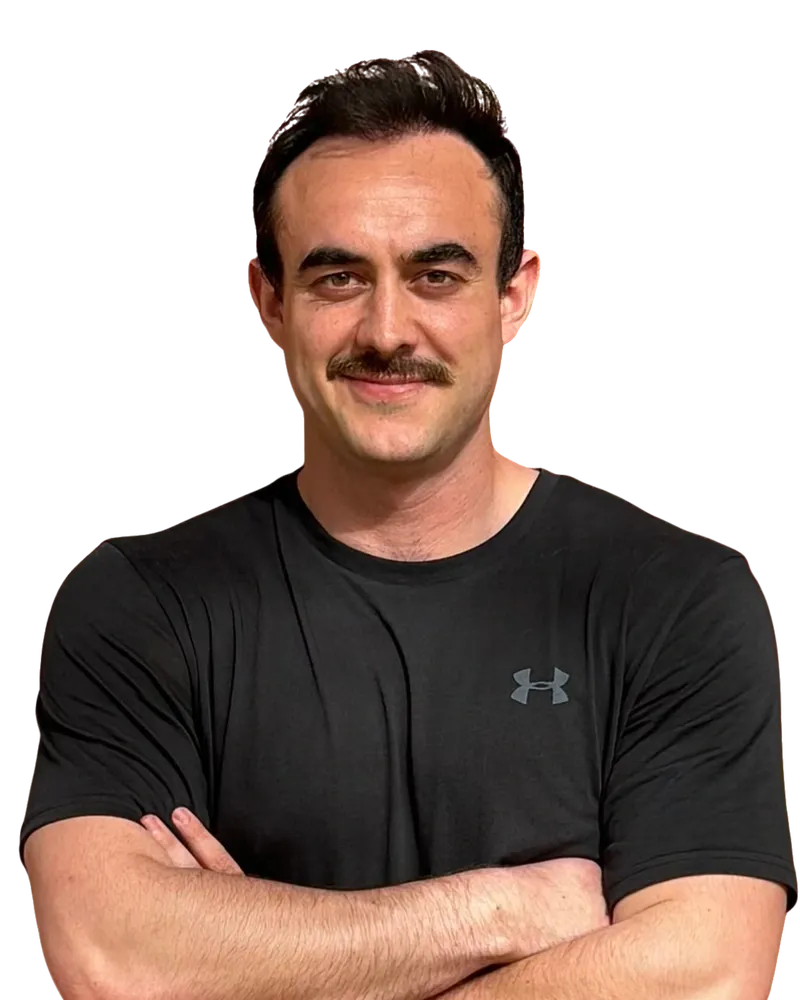 Blair McAulay Massage Therapist and Personal Trainer
Lying on the affected side puts pressure on sensitive tissues, and you move less while sleeping. Sleeping on your other side with a pillow supporting your arm often helps. We can suggest positions that suit you.
Complete rest is rarely the answer and can lead to more stiffness. Gentle movement within comfort, progressing to strengthening, usually helps the shoulder recover.
Physiotherapy can help you manage pain and maintain movement while a frozen shoulder runs its course. We will also tell you if a GP or specialist review for other treatments would be helpful.
Many shoulder problems can be assessed without a scan. If imaging would change your treatment, we will explain the options.
No, you can book directly with us. If you are using health insurance, check whether your insurer needs a referral or authorisation first.
Ready to reach, lift and sleep more comfortably? Book online or call 020 3813 0114 to arrange your shoulder assessment in Chiswick.