

Diastasis Recti Treatment in Chiswick
In short Diastasis recti is a widening of the gap between the two sides of your tummy muscles, most often after pregnancy. It is common and often improves with the right exercise. At Chiswick Green Physiotherapy our women's health team assesses your abdominal function and helps you rebuild strength and confidence for everyday life and exercise.
Do you feel like your core has not been the same since having your baby?
Do you notice a ridge or doming down the middle of your tummy when you sit up? Are you nervous about returning to running, lifting or your favourite classes in case you make things worse?
Many women tell us they feel disconnected from their tummy after pregnancy. You might have seen conflicting advice online, been told to avoid certain exercises forever, or simply feel unsure where to start. The good news is that abdominal separation is very common, and there is a lot we can do to help.
What is diastasis recti?
Diastasis recti is a separation of the two sides of the rectus abdominis muscle (your "six pack" muscle) where the connective tissue between them, called the linea alba, stretches and becomes wider.
It happens naturally during pregnancy to make room for your growing baby, and for many women the gap narrows in the weeks and months after birth. For some, the gap stays wider or the tissue feels soft, and the tummy does not feel as strong as before. It can also occur in men and in women who have not been pregnant, though this is less common.
Symptoms
The most common sign is a gap, ridge or doming along the middle of your tummy, especially when you lift your head or sit up.
- A soft or squashy feeling above or below the belly button
- A tummy that still looks pregnant months after giving birth
- Feeling weak or unsupported through your middle
- Low back or pelvic discomfort
- Difficulty with lifting, twisting or getting out of bed
- Sometimes leaking urine or pelvic heaviness, as the pelvic floor and abdominal muscles work together
Causes
Diastasis recti is caused by pressure on the abdominal wall stretching the linea alba, most commonly during pregnancy.
Things that can make it more likely include a multiple pregnancy, a larger baby, several pregnancies close together and hormonal changes that soften connective tissue. It is not caused by doing anything wrong. How you breathe, move and manage pressure through your tummy can affect how it feels and functions, which is why we assess more than just the size of the gap.
When to get urgent help
Diastasis recti itself is not dangerous, but some symptoms need medical review.
- Go to A&E or call 999 if you have a painful lump in your tummy that you cannot push back in, along with severe pain, vomiting or being unable to pass wind. This could be a trapped hernia.
- See your GP if you notice a new bulge around your belly button or along the scar from a caesarean section.
- Seek urgent care through your GP, NHS 111 or your maternity team if you have heavy bleeding, sudden severe pelvic or tummy pain, or a fever after giving birth.
If anything concerns us at your assessment, we will explain why and guide you to the right professional.

How we treat diastasis recti
We treat diastasis recti by assessing how your tummy and pelvic floor work together, then building a progressive exercise plan around your goals.
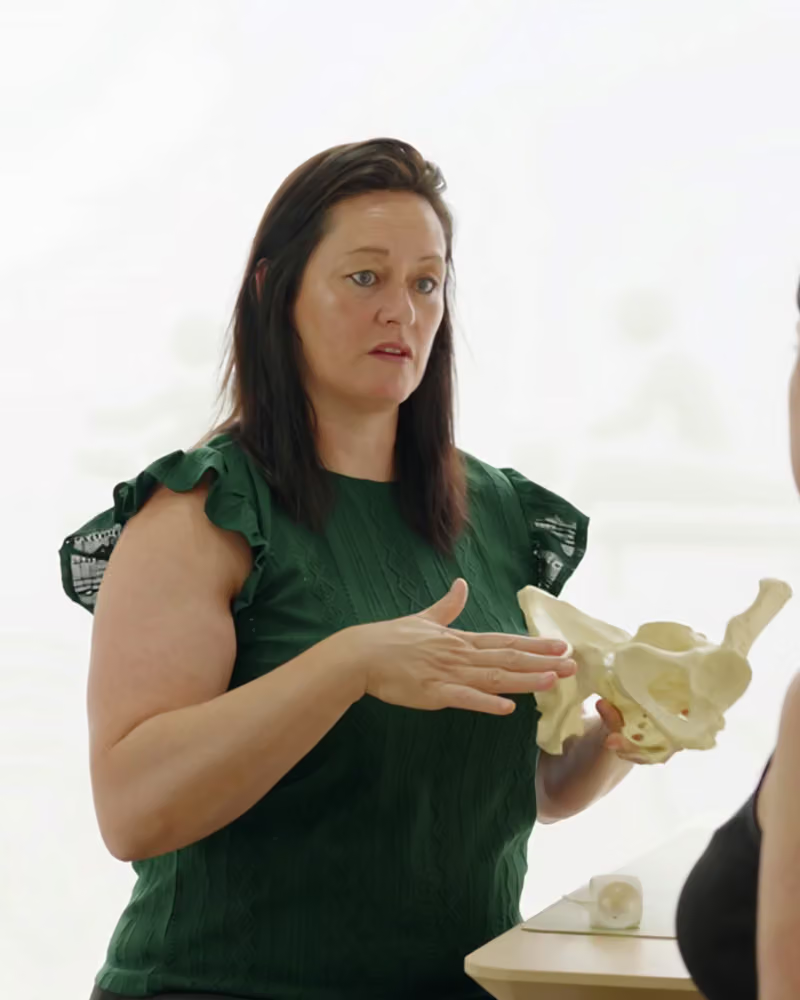
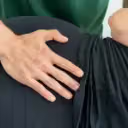
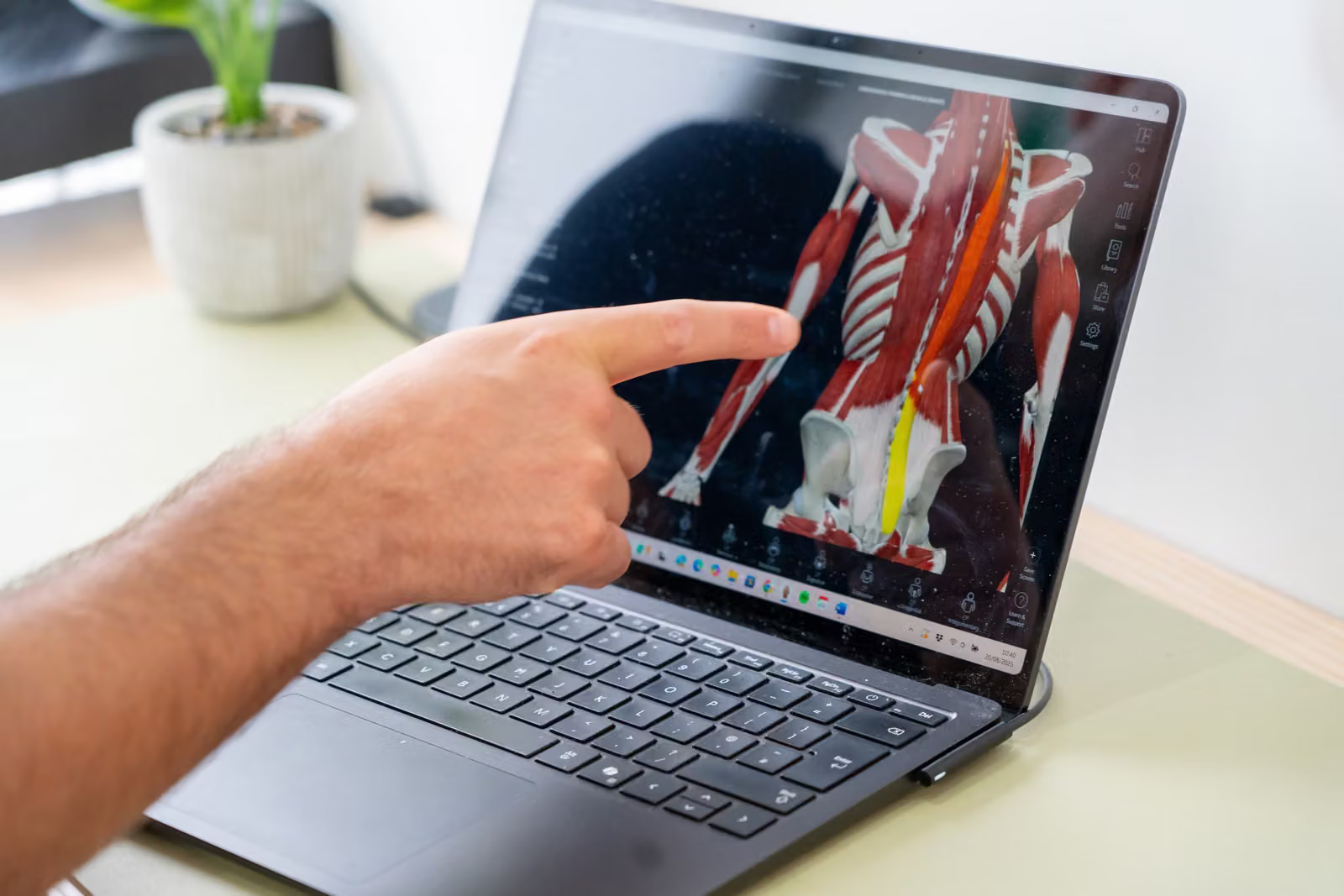
Your first appointment starts with a conversation about your pregnancy, birth, symptoms and what you want to get back to. We check the width and depth of the gap and, importantly, how well the tissue tension holds when you engage your core. We also look at breathing, posture, the pelvic floor and how you move. Any examination is explained first and only done with your consent.
Our Recover, Rebuild and Thrive philosophy shapes your plan:
- Recover: understand what is happening, learn how to breathe and move comfortably during everyday tasks like lifting your baby, and ease any back or pelvic discomfort.
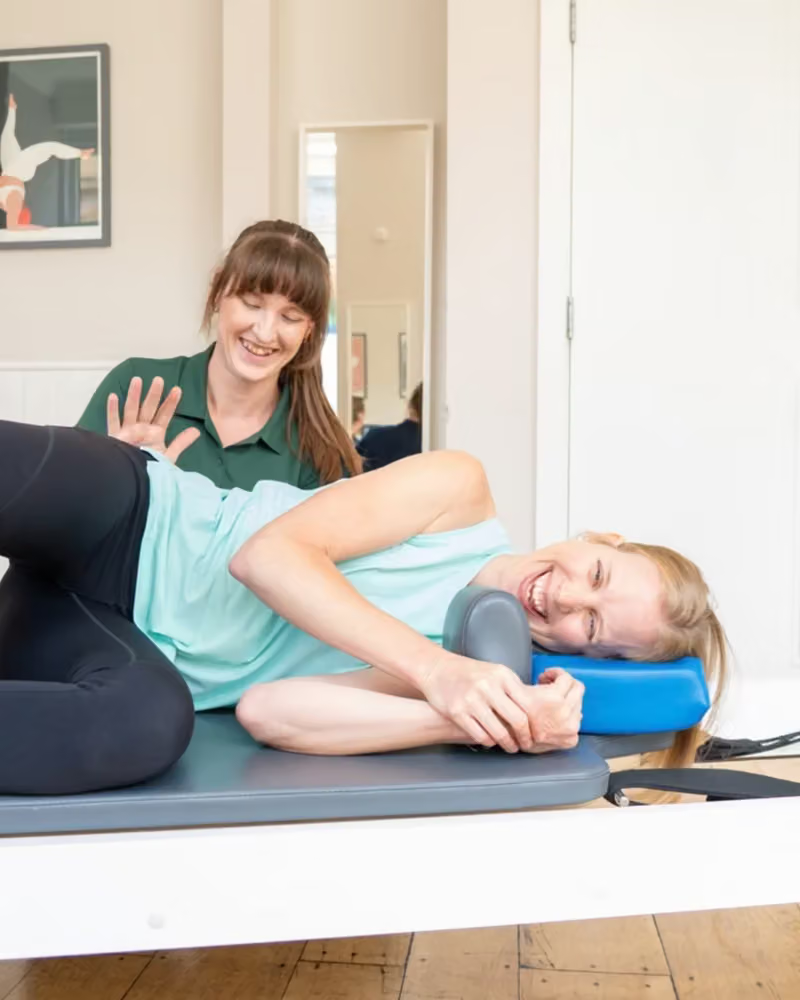
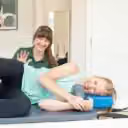
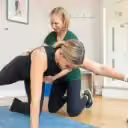
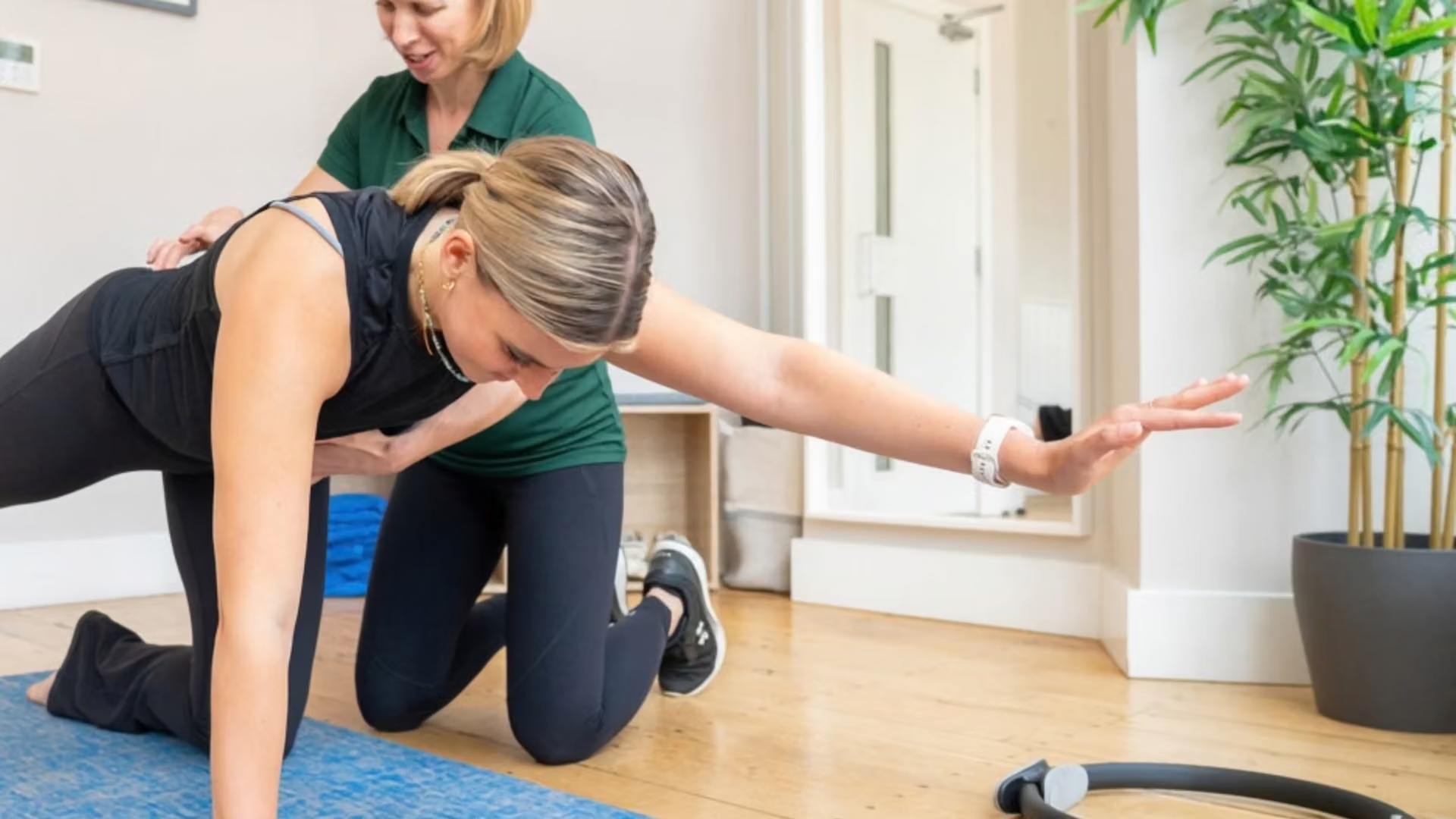
- Rebuild: progressive core and whole body strengthening. Many women continue in our studio with reformer Pilates.
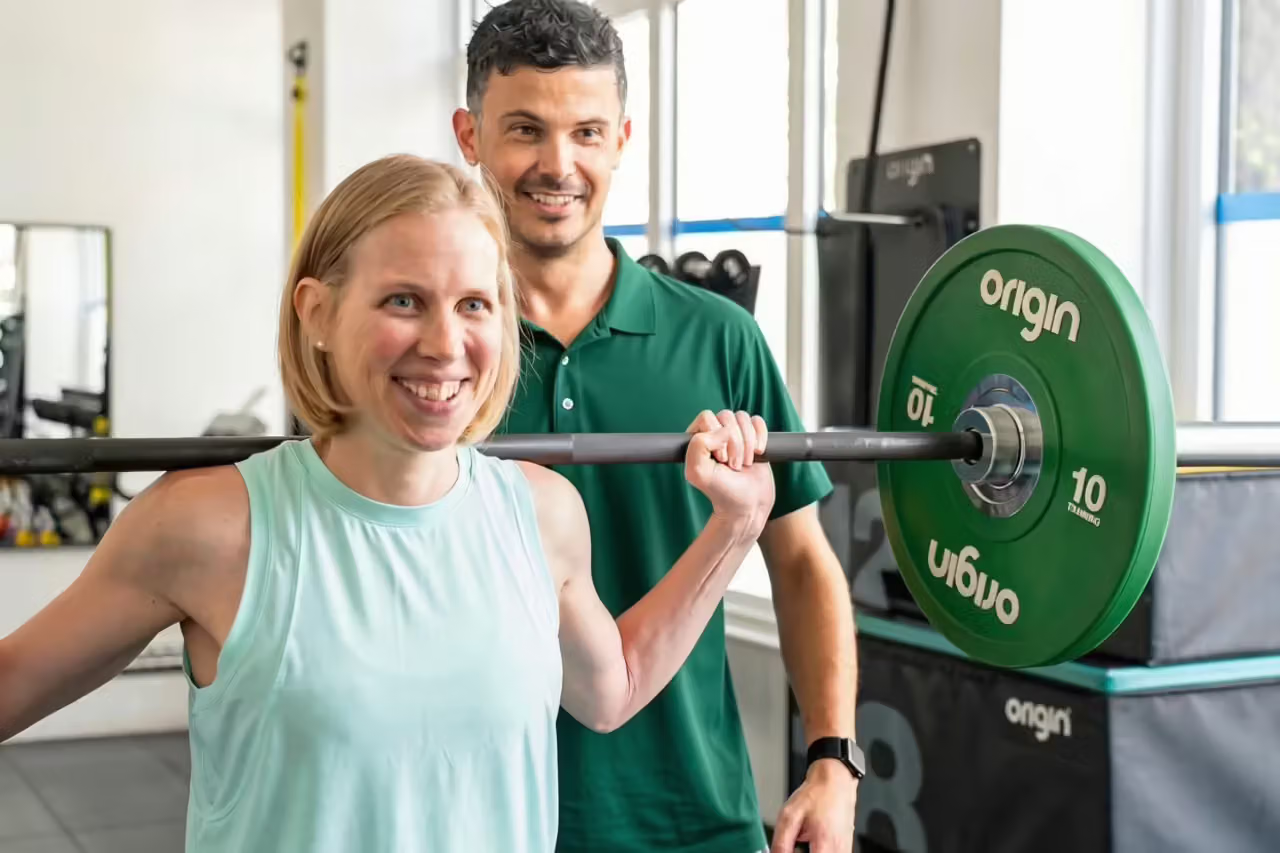
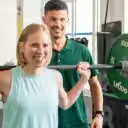
- Thrive: a confident, graded return to running, lifting or the classes you love, with support from physio-led personal training if you want it.
If you also have leakage, heaviness or pelvic pain, our women's health physiotherapy service can address these alongside your tummy rehab.
Recovery time
Many women see improvements in strength and function within a few months of regular exercise. Some gaps narrow significantly; for others the gap stays slightly wider but the tummy becomes strong and functional again, which is often what matters most.
It is never too late to start, even years after having children. We cannot promise a particular result, but we will set realistic goals with you and review progress together.
Who you will see
You will see a member of our women's health team. Our clinic is a member of the CSP and our women's health work follows POGP guidance. Our wider team is led by Clinical Director Patrick Kenny.
We are at 76-77 South Parade, Chiswick, W4 5LF (opens in a new tab). You are welcome to bring your baby to your appointment.
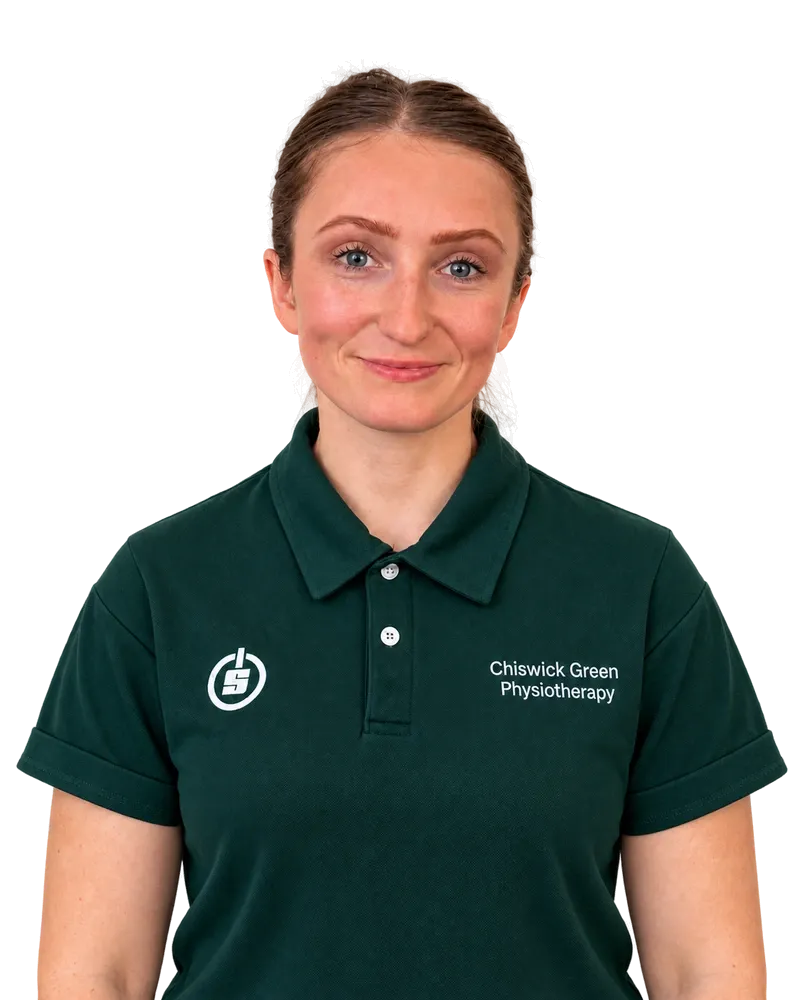 Leah Hanson Senior Physiotherapist and Pilates Instructor
Many women book from around six weeks after birth, once they have had their postnatal check. You are welcome to get in touch earlier if you have concerns, and we can also help years later.
Not usually. We look at how your tummy copes with different exercises and build them back in gradually, rather than giving you a list of exercises to avoid for life.
Not always, and that is okay. The aim is a strong, well functioning tummy that supports what you want to do. Some gaps narrow a lot; others stay slightly wider but feel much stronger.
Yes, babies are welcome at appointments. Let us know when you book so we can plan the session around feeds and naps where possible.
Women's health initial assessments are £151 for 60 minutes. Follow-ups are £83 for 30 minutes or £127 for 45 minutes.
Ready to feel strong in your body again? Book online or call 020 3813 0114 to arrange a diastasis recti assessment with our women's health team in Chiswick.