




Sports Injury Treatment in Chiswick
In short Sports injuries such as sprains, muscle tears and tendon problems usually recover well with the right diagnosis and a structured rehabilitation plan. At Chiswick Green Physiotherapy we assess your injury, help you recover and use objective strength testing to guide a safe, confident return to sport.
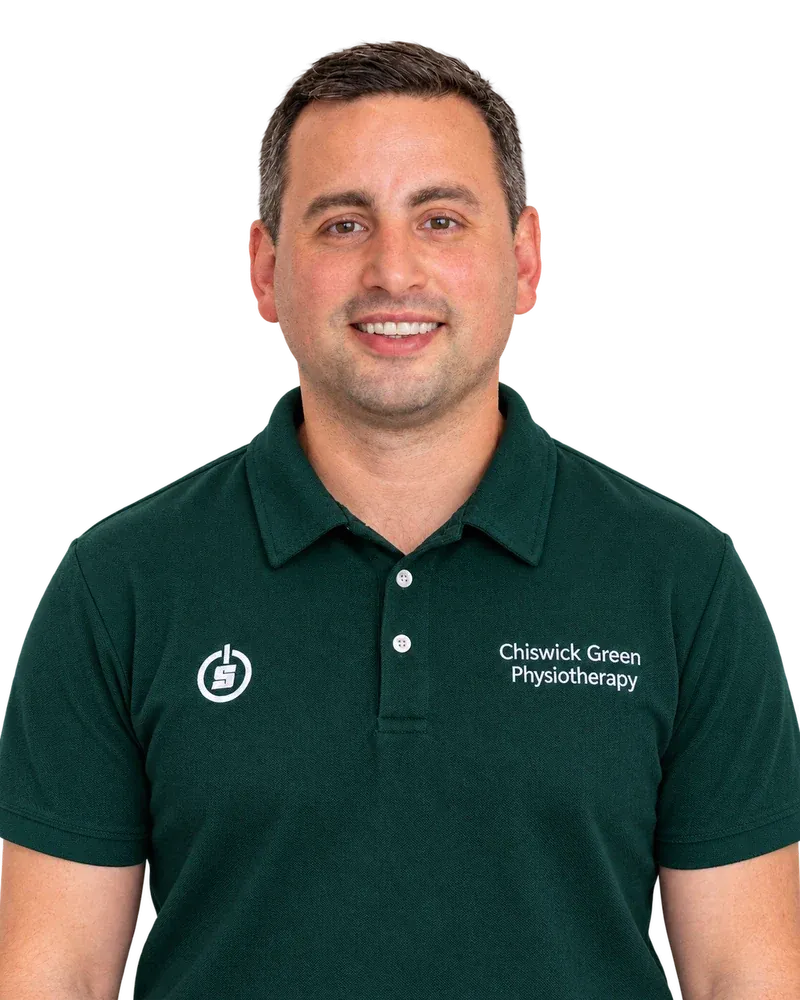
Clinically reviewed by Patrick Kenny, Clinical Director and Sonographer, HCPC PH106536
Has an injury taken you away from the sport you love?
Are you watching from the sidelines while your team plays on? Has a niggle turned into an injury that stops you running, lifting or training the way you want to?
Being injured is frustrating. You might be worried about losing fitness, missing a race you have trained months for, or getting hurt again when you go back. Some people try to push through, while others stop completely because they are not sure what is safe. We will help you understand your injury and give you a clear plan to get back.
What is a sports injury?
A sports injury is any injury that happens during exercise, training or sport. Some happen suddenly, such as a sprained ankle or a pulled hamstring. Others build up gradually from repeated load, such as tendon pain or shin splints.
You do not need to be an elite athlete to have a sports injury. We see runners, footballers, rugby and netball players, cyclists, gym-goers, climbers and people simply getting back into exercise.
Symptoms of a sports injury
Symptoms depend on the type of injury but often include:
- Pain during or after activity
- Swelling or bruising
- Stiffness or reduced range of movement
- Weakness or a feeling that a joint is unstable
- Pain that gets worse as you train more, rather than easing
Common sports injuries include ankle sprains, hamstring and calf strains, groin injuries, knee ligament and cartilage injuries, Achilles and patellar tendinopathy, shin splints, shoulder injuries and tennis or golfer's elbow. You can read more on our knee pain and shoulder pain pages.
What causes sports injuries?
Sports injuries usually happen when the load on your body is greater than what it is ready for. This can be due to:
- A sudden increase in training volume or intensity
- A fall, collision, twist or awkward landing
- Not enough recovery between sessions
- Reduced strength, endurance or control in key muscles
- Returning too quickly after a previous injury
- Changes in footwear, surface or equipment
Understanding why the injury happened is just as important as treating it, because it helps reduce the chance of it happening again.
When to get urgent help
Go to A&E if you cannot put weight on a limb after an injury, if a joint looks deformed or out of place, if you suspect a broken bone, or if a wound is deep or will not stop bleeding.
Call 999 if someone has a head or neck injury with loss of consciousness, confusion, repeated vomiting, or numbness or weakness in their arms or legs. Anyone with a suspected concussion should stop playing straight away and follow the UK "If in doubt, sit them out" guidance.
Seek urgent advice from your GP or NHS 111 if an injured area becomes hot, red and increasingly painful, or you feel feverish and unwell.
How we treat sports injuries
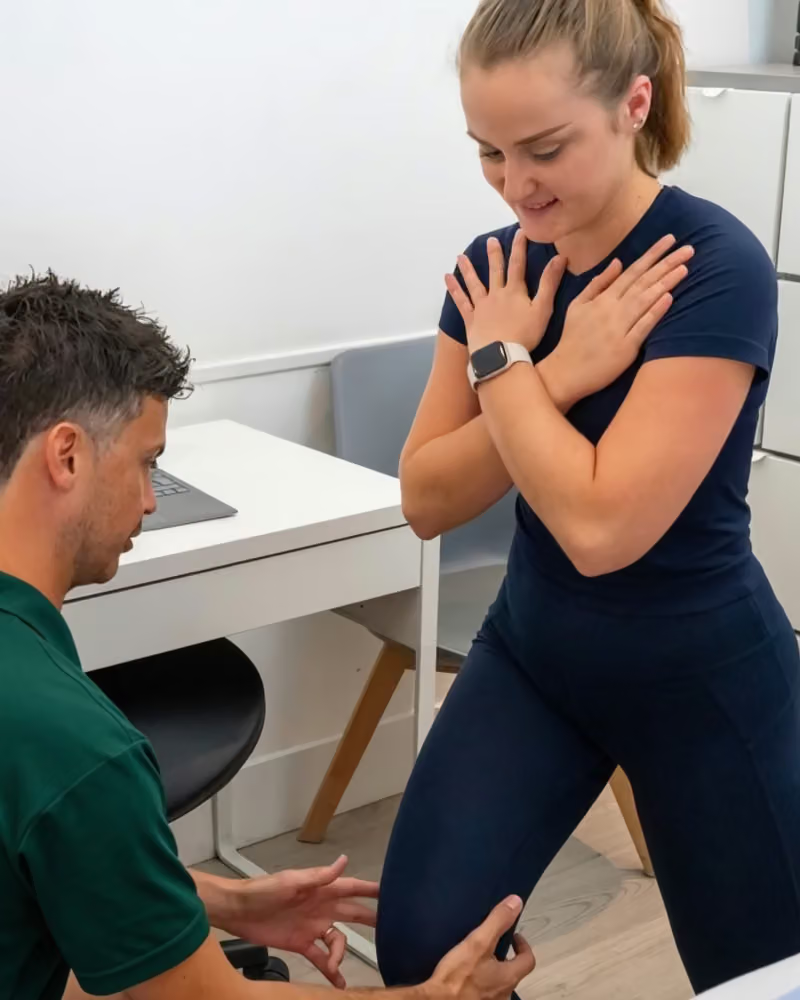
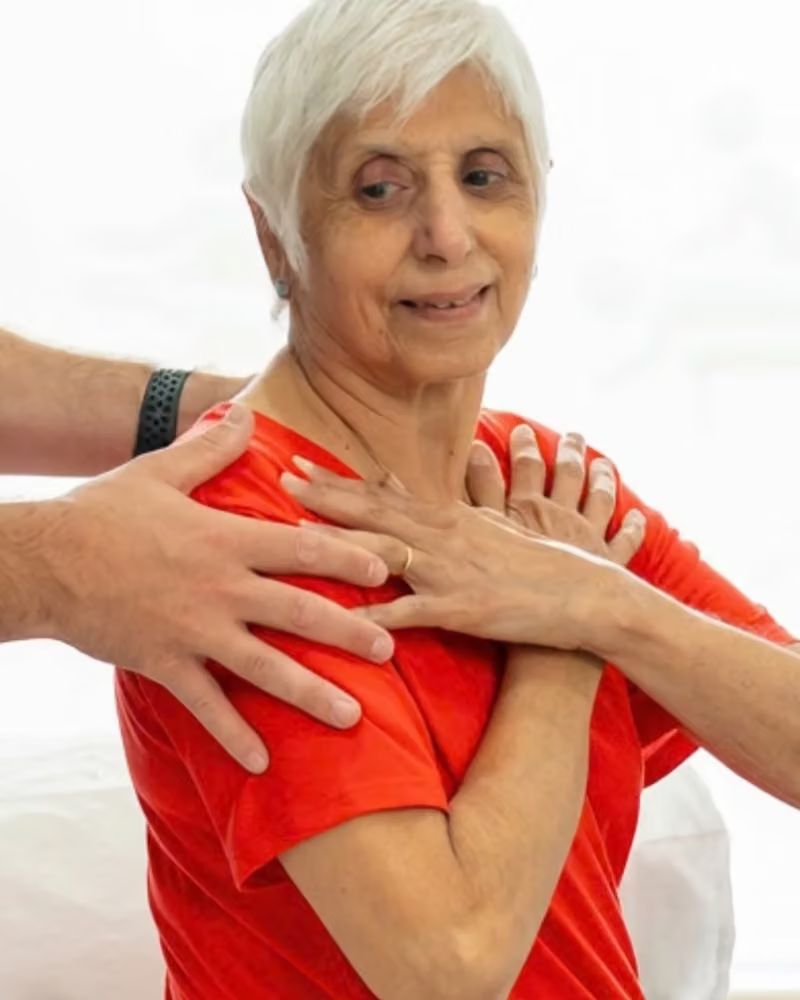
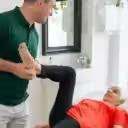
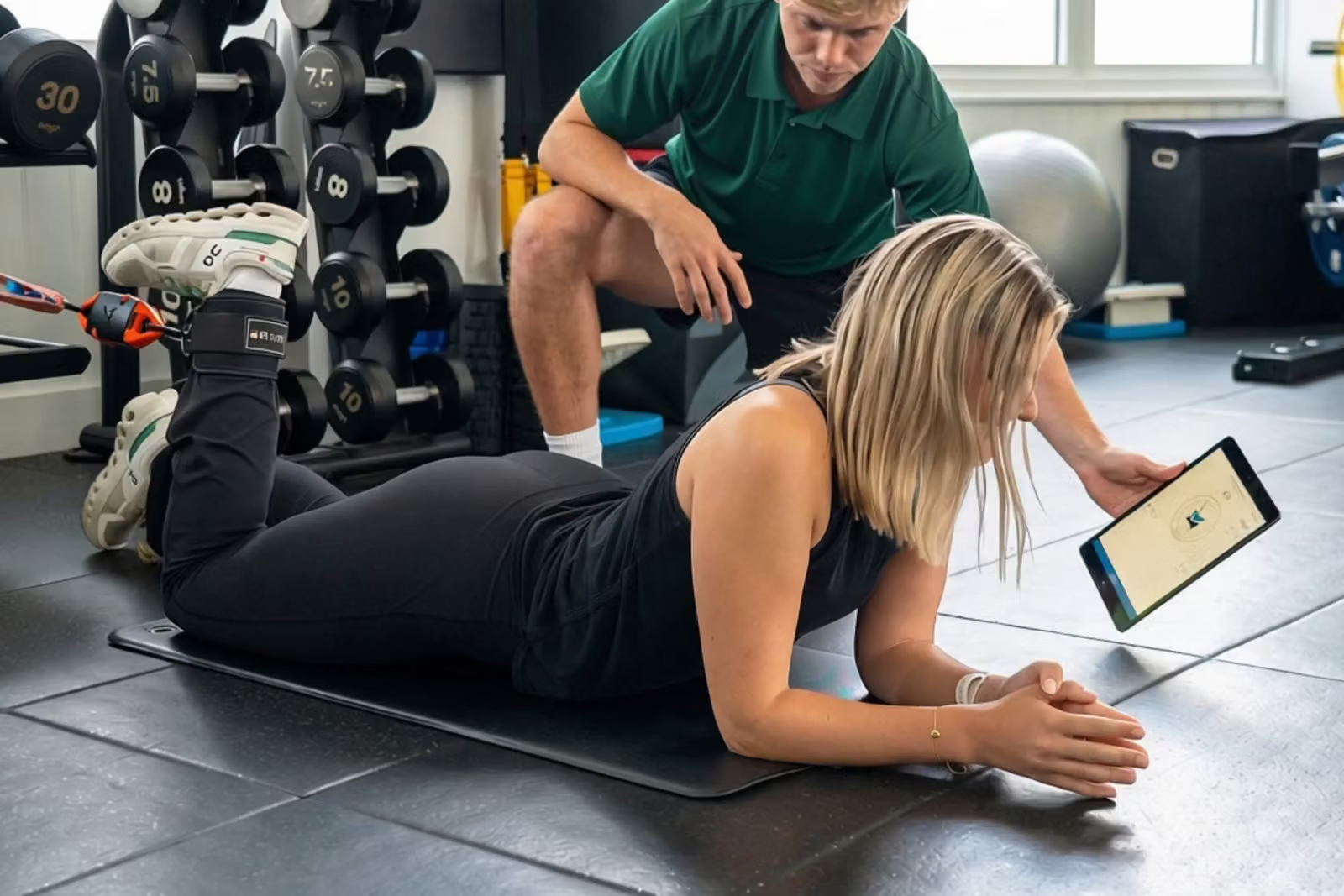
We treat sports injuries with a thorough assessment, clear diagnosis and a structured rehabilitation plan that builds towards the demands of your sport. Your first appointment covers how the injury happened, your training and your goals, followed by a detailed physical assessment.
Our Recover, Rebuild and Thrive philosophy shapes your rehabilitation:
- Recover. We help settle pain and swelling and keep you as active as possible while the injury heals. This can include hands-on treatment, soft tissue work and, where appropriate, shockwave therapy for some tendon problems.
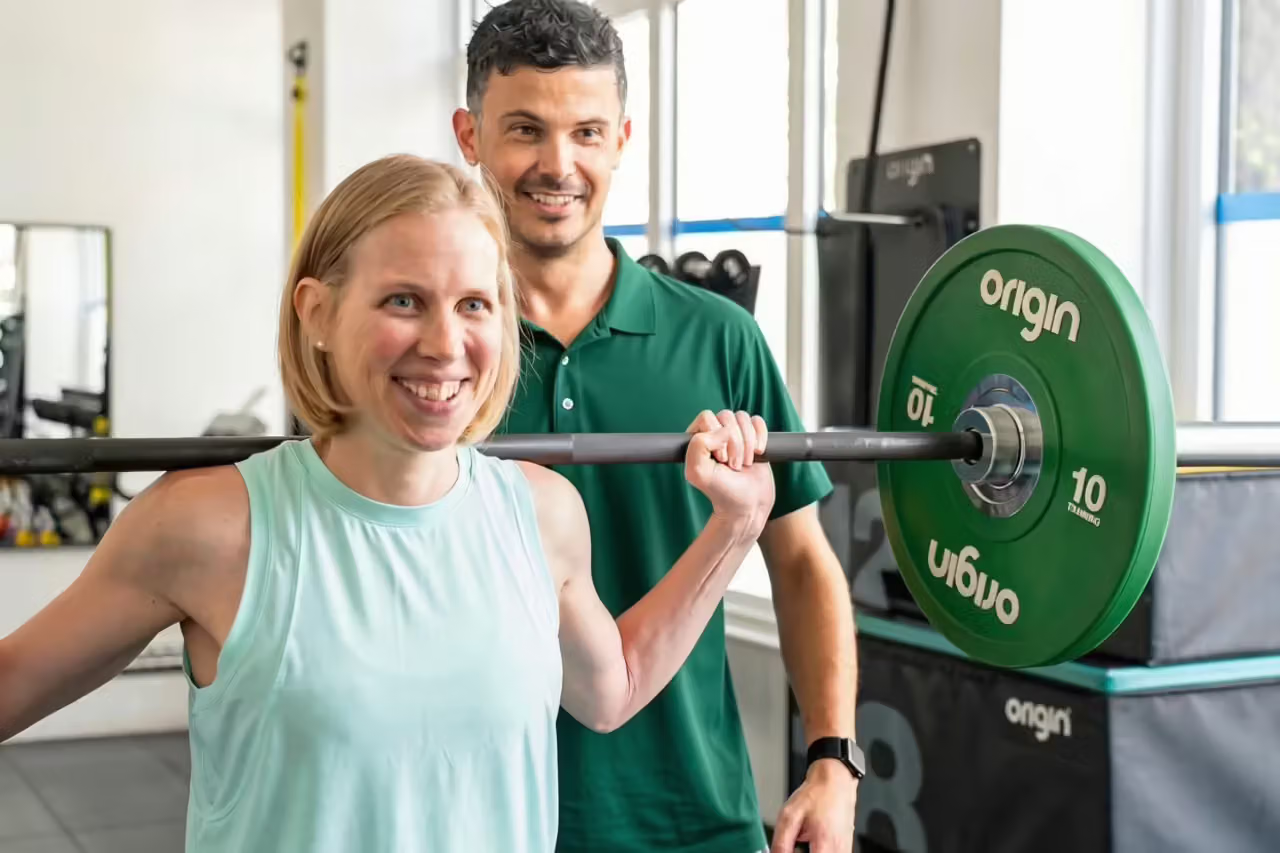
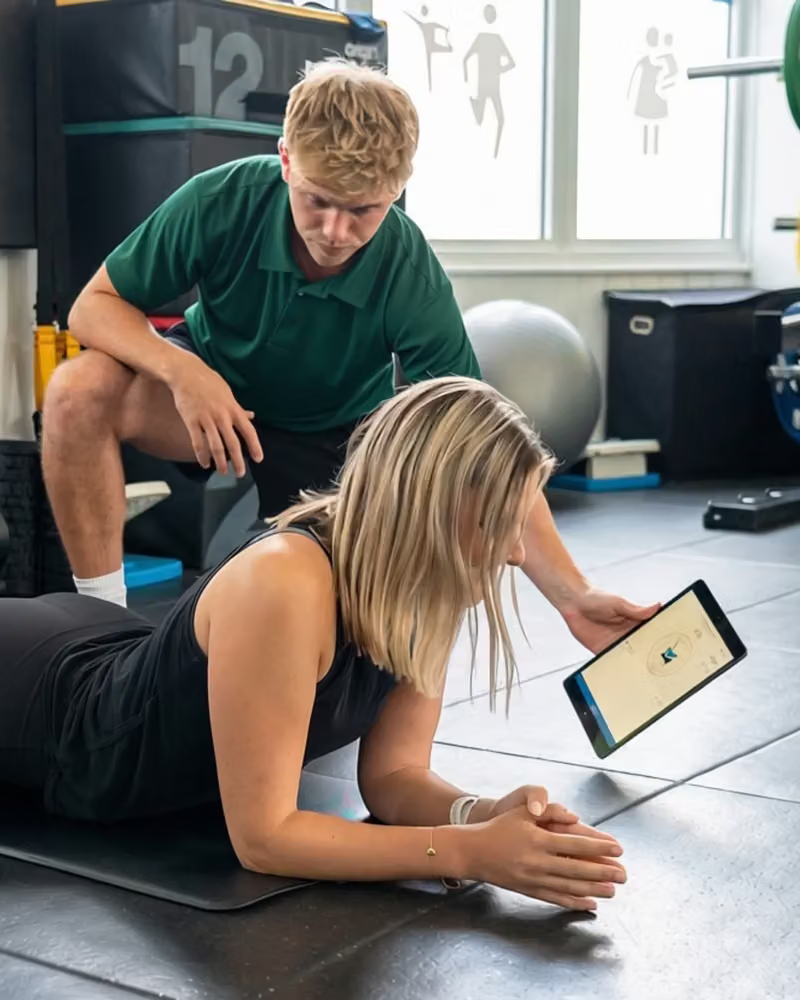
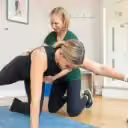
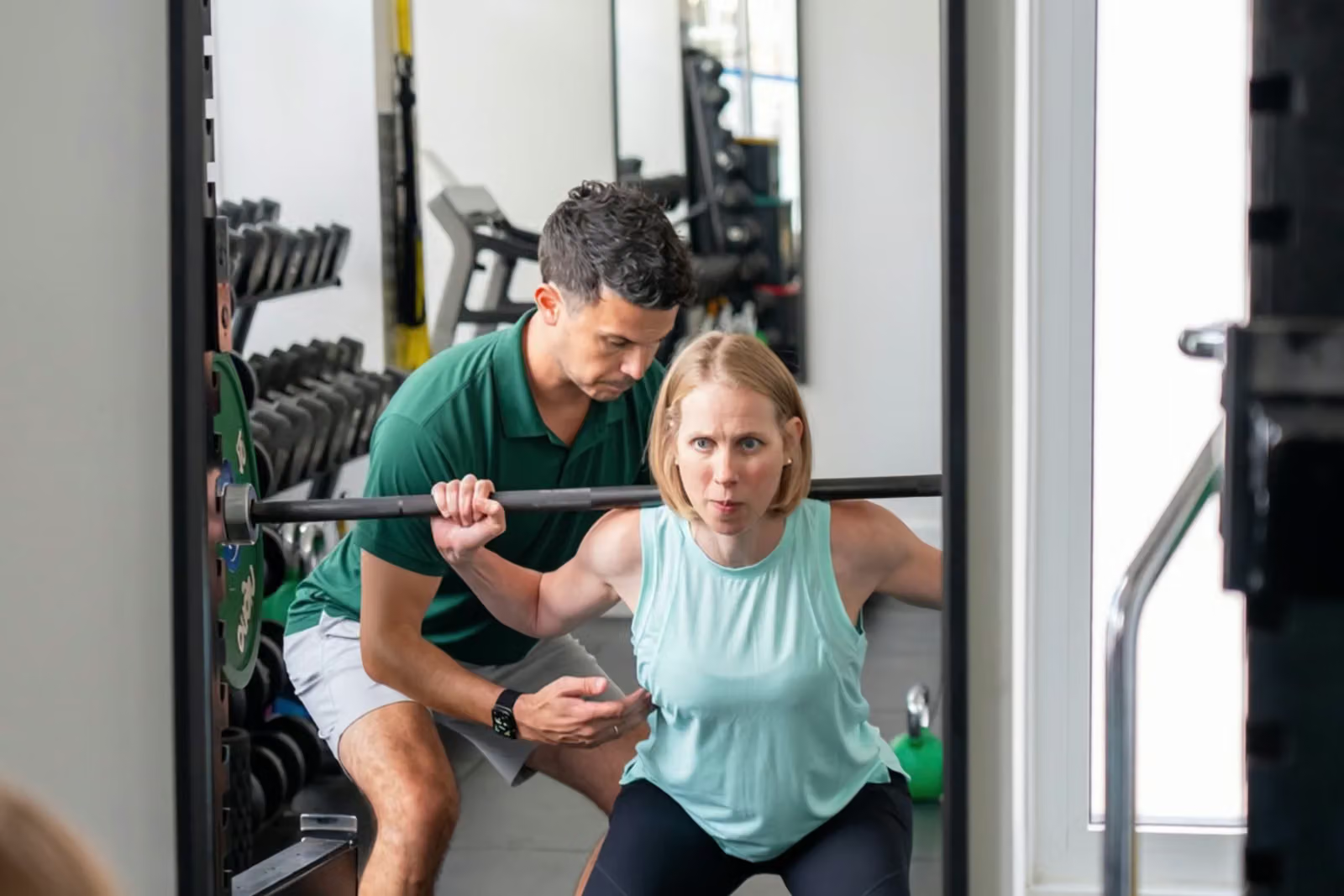
- Rebuild. We restore strength, power and movement control in our rehabilitation gym. VALD Force Plates and Dynamo testing gives us objective data on your strength and balance between sides, so decisions are based on measurements, not guesswork.
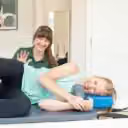
- Thrive. We plan your return to training and competition step by step, and help you keep building resilience through physio-led personal training.
Our sports physiotherapy service brings this together, with home exercises shared through our exercise software so you can keep progressing between sessions.
How long do sports injuries take to recover?
Recovery time depends on the type and severity of your injury. A mild muscle strain or ankle sprain may settle within two to six weeks. Tendon problems often need around three months of consistent rehabilitation. More significant ligament injuries can take many months.
Your return to sport should be based on how well you meet strength and movement goals, not just how much time has passed. We will explain what to expect after your assessment and review your progress regularly, without promising a fixed date.
Who you will see
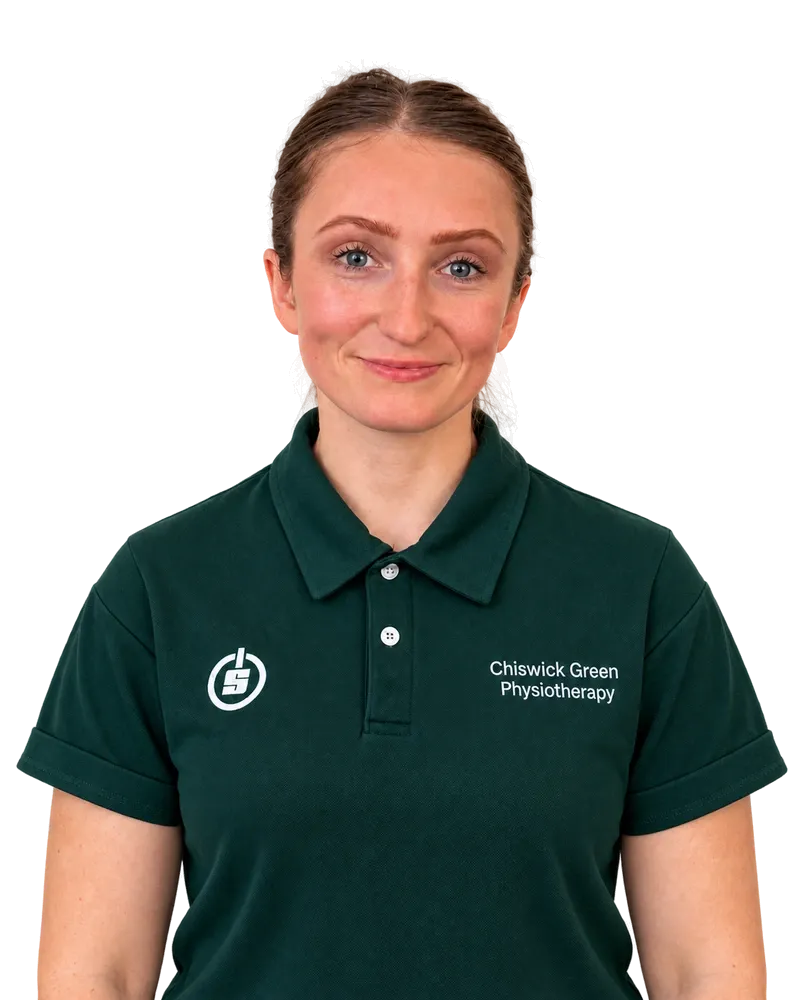
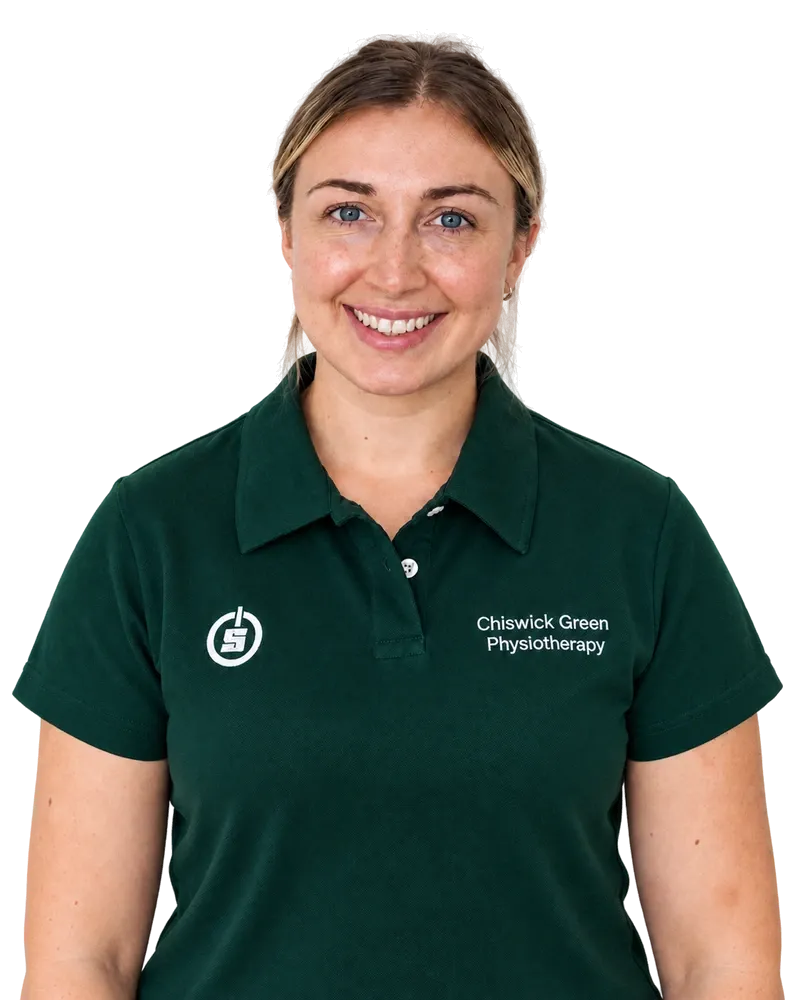
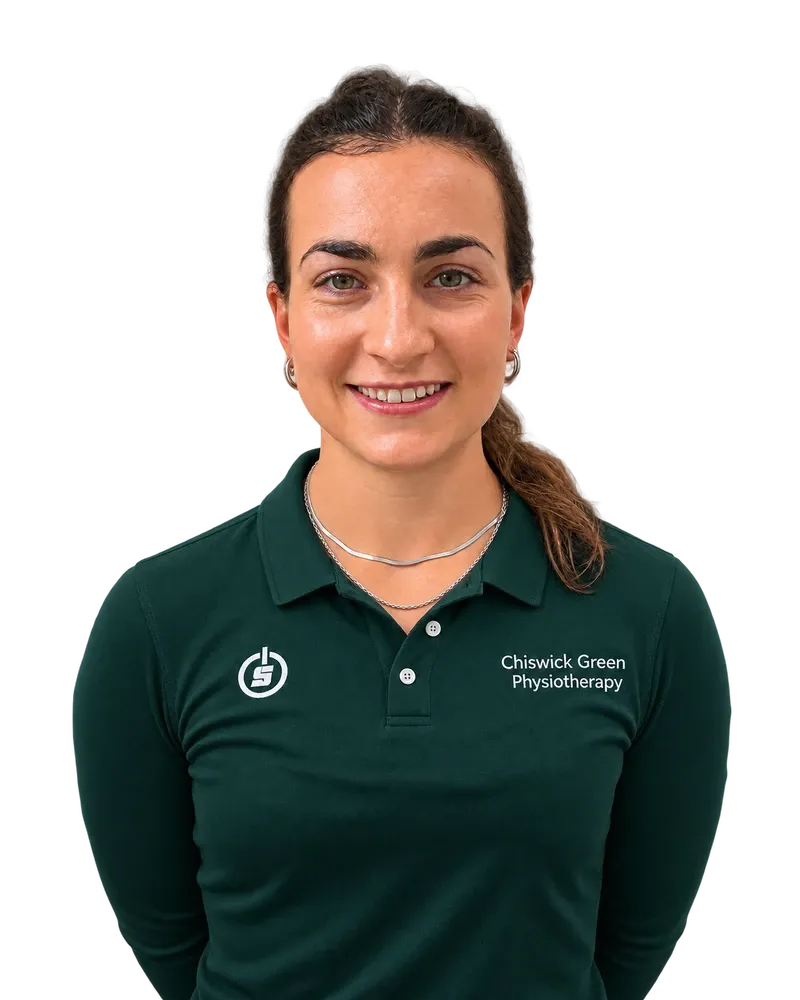
You will be seen by one of our HCPC-registered physiotherapists, including Patrick Kenny, Owner and Clinical Director, with over 15 years of clinical experience, and Senior Physiotherapists Leah Hanson and Jess Vernon. Our clinicians are employed by the clinic and train together for at least three hours every week. We are at 76-77 South Parade, Chiswick (opens in a new tab), opposite Acton Green Common. An initial sports physiotherapy assessment costs £99 for 60 minutes, with follow-up sessions from £79.
Ice can help ease pain in the first few days after an injury. The most important thing is to keep the area gently moving within comfort and avoid anything that makes symptoms much worse.
It depends on the injury and how well you meet strength and movement targets. We use objective testing and sport-specific drills to help you decide when you are ready.
Not always. Many people can keep training in a modified way while they recover. We will help you adapt your programme so you stay as fit as possible.
We cannot guarantee you will not be injured again, but building strength, managing training load and addressing previous weaknesses can reduce your risk.
Yes, we work with insurers including Bupa, AXA, Aviva and WPA. Please check your cover and get any authorisation you need before your appointment.
Ready to get back to the sport you love? Book online or call 020 3813 0114 to arrange your sports injury assessment in Chiswick.