











Sciatica Treatment in Chiswick
In short Sciatica is pain, tingling or numbness that travels down the leg when a nerve in the lower back is irritated. Most people improve within weeks to a few months with the right advice, movement and exercise. At Chiswick Green Physiotherapy we assess your symptoms, help ease your pain and guide you back to the activities you enjoy.
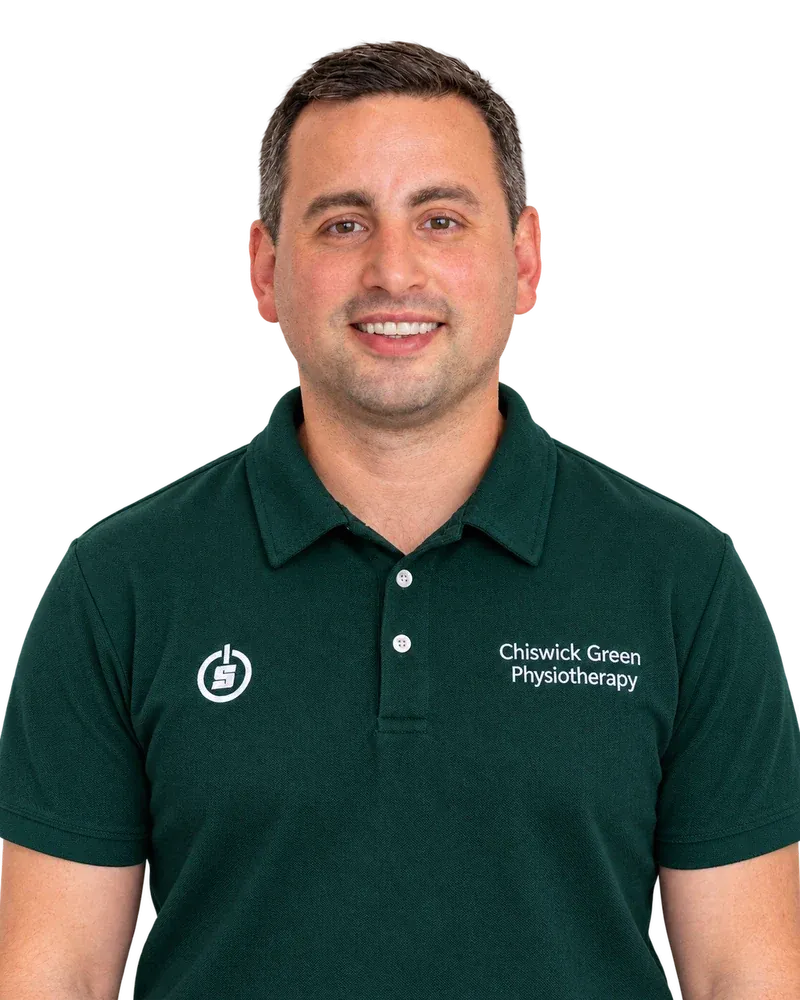
Clinically reviewed by Patrick Kenny, Clinical Director and Sonographer, HCPC PH106536
Is leg pain making everyday life a struggle?
Does sitting through a meeting or a long drive leave your leg burning or aching? Are you finding it hard to sleep, walk far or pick things up from the floor?
Sciatica can be painful and worrying. You might feel a sharp, shooting pain down the back of your leg, pins and needles in your foot, or a deep ache in your buttock that will not settle. Many people tell us they feel unsure what they can safely do, or worry that something serious is wrong. We will help you understand what is happening and what you can do about it.
What is sciatica?
Sciatica is the name for symptoms caused when the sciatic nerve, or one of the nerve roots that form it in your lower back, becomes irritated or compressed. The sciatic nerve is the longest nerve in your body. It runs from your lower back, through your buttock and down the back of each leg to your foot.
Sciatica is a description of symptoms rather than a diagnosis in its own right. An assessment helps us work out where the irritation is coming from and what is likely to help.
Symptoms of sciatica
Sciatica usually affects one leg. Common symptoms include:
- Pain that travels from your buttock down the back of your thigh, often below the knee
- Burning, shooting or electric shock-like pain
- Pins and needles or numbness in your leg or foot
- Weakness in your leg or foot
- Pain that is worse when sitting, coughing, sneezing or bending
Some people also have lower back pain, although leg pain is often the main problem. Our back pain page explains more about pain that stays in the back.
What causes sciatica?
The most common cause of sciatica is a disc bulge or herniation in the lower back that irritates a nearby nerve root. Other causes include:
- Narrowing of the space around the nerves (spinal stenosis), which is more common in older adults
- A vertebra slipping slightly forward on the one below (spondylolisthesis)
- Swelling and sensitivity around the nerve after a strain
Factors such as heavy lifting, long periods of sitting and reduced fitness can increase the chance of symptoms. Pain in the buttock and leg can also come from other structures, such as the hip or the muscles around it, which is why a careful assessment matters.
When to get urgent help
Most sciatica is not dangerous, but some symptoms need emergency care.
Go to A&E or call 999 immediately if you have:
- Numbness or tingling around your genitals, bottom or inner thighs
- New difficulty passing urine, or loss of bladder or bowel control
- Sciatica in both legs at the same time
- Severe or rapidly worsening weakness in one or both legs
These can be signs of cauda equina syndrome, a rare but serious condition that needs urgent surgery.
See your GP urgently, or call NHS 111, if your sciatica comes with a fever, unexplained weight loss, a history of cancer, or pain that is getting steadily worse despite rest and pain relief.

How we treat sciatica
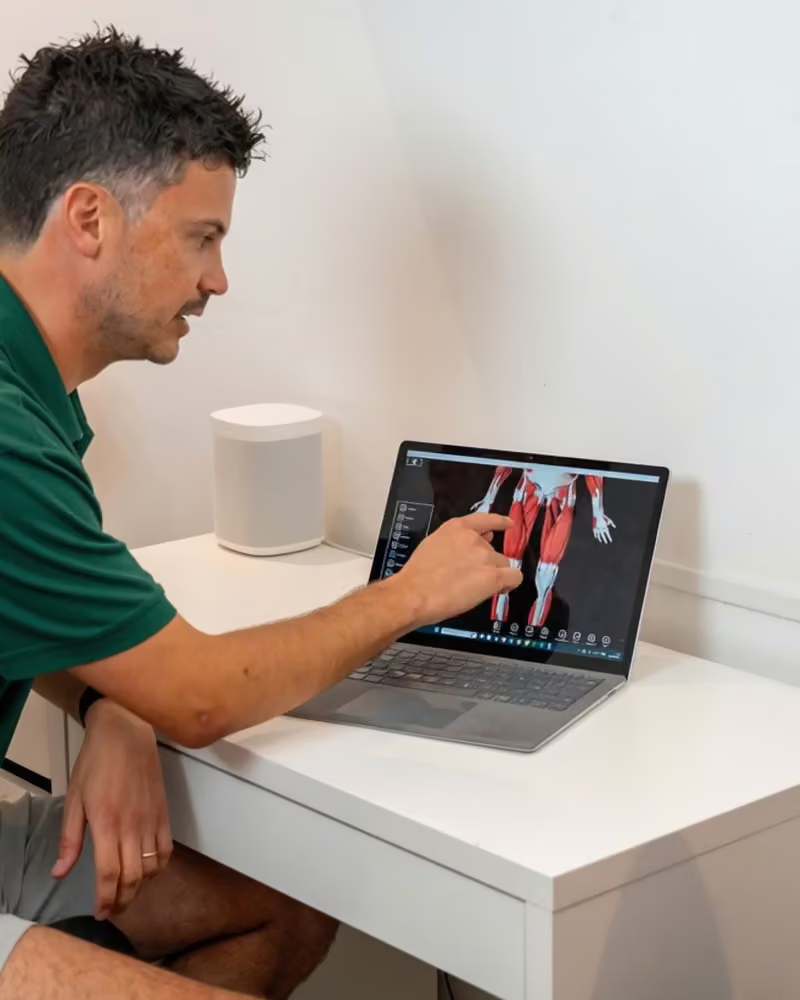
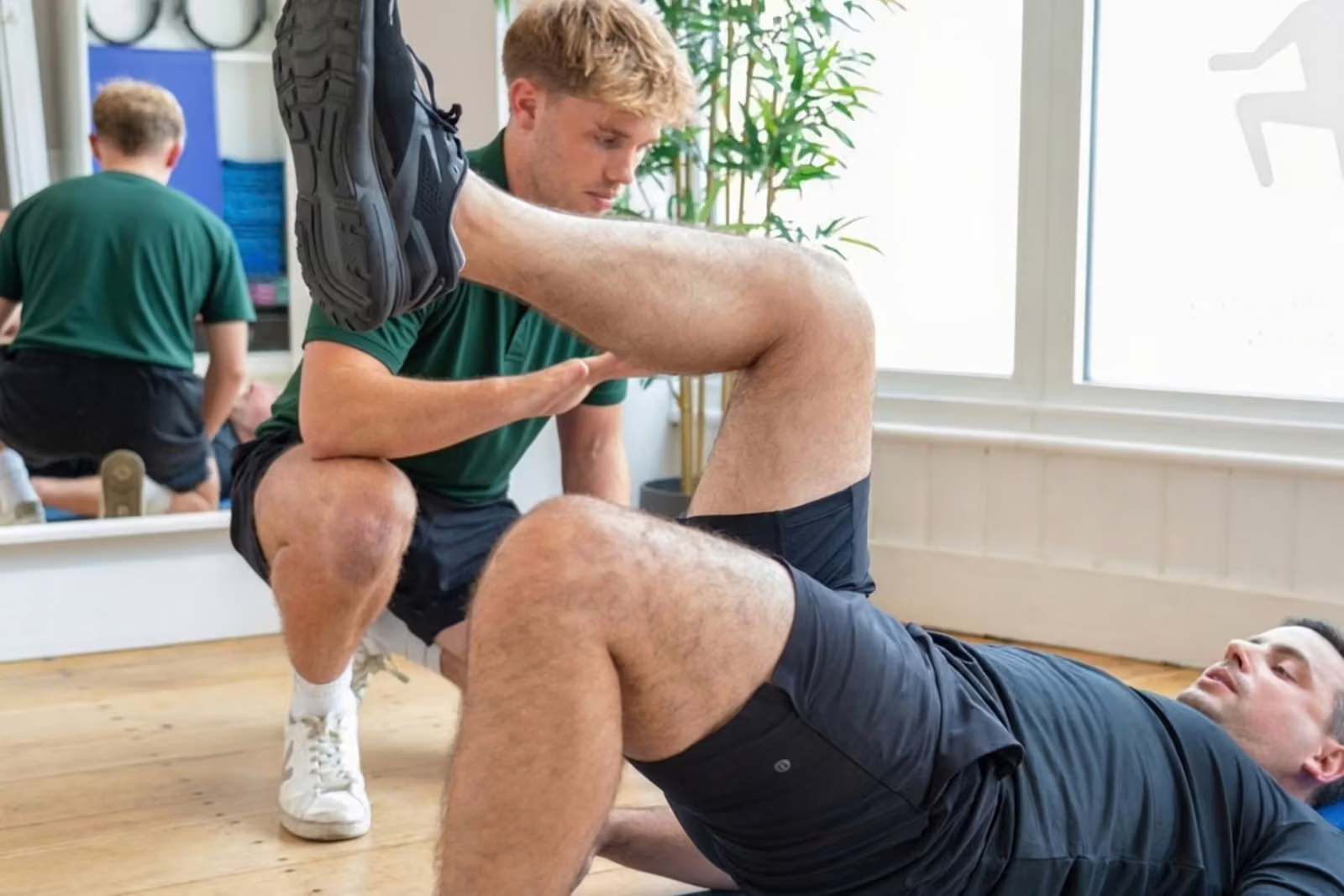
We treat sciatica by easing irritation on the nerve, keeping you moving safely and gradually building your strength and tolerance. Your first appointment includes a conversation about your symptoms and a physical assessment, including checks of your nerve function, strength and reflexes.
Our Recover, Rebuild and Thrive philosophy shapes your plan:
- Recover. We help you find positions and movements that ease your symptoms, give clear advice on pain relief and activity, and may use hands-on treatment to help you feel more comfortable.
- Rebuild. We gradually develop strength in your back, hips and legs and improve how well your body copes with sitting, walking and lifting. Our physiotherapy sessions use exercise-based rehabilitation at a pace that suits your symptoms.
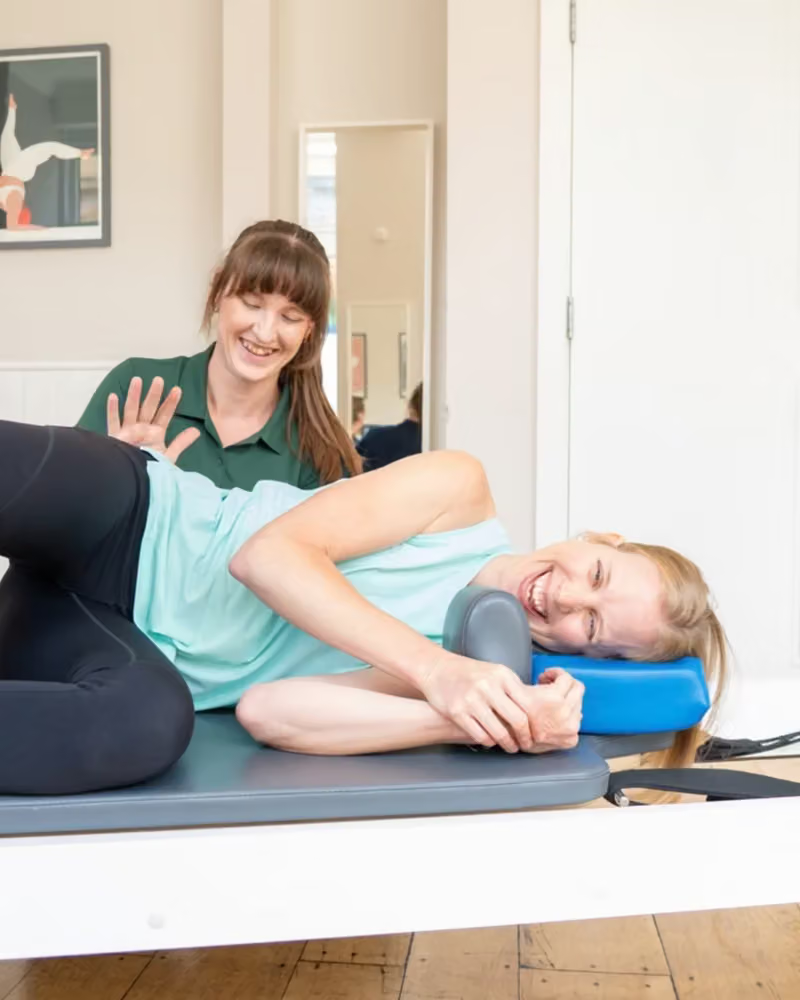
- Thrive. Once you are moving well, you can continue progressing in our rehabilitation gym or through reformer Pilates to keep your body strong and resilient.
If your symptoms are not improving as expected, we will explain why and help guide you towards a GP or specialist review. NICE guidance supports exercise and staying active as key parts of managing sciatica.
How long does sciatica take to recover?
Many people with sciatica improve within four to six weeks, although some cases take several months. Numbness and pins and needles can take longer to settle than pain.
Recovery depends on the cause, how long you have had symptoms and your general health. We will give you a realistic idea of what to expect after your assessment and adjust your plan as your symptoms change. We cannot promise a fixed timescale, but we will keep you informed at every step.
Who you will see
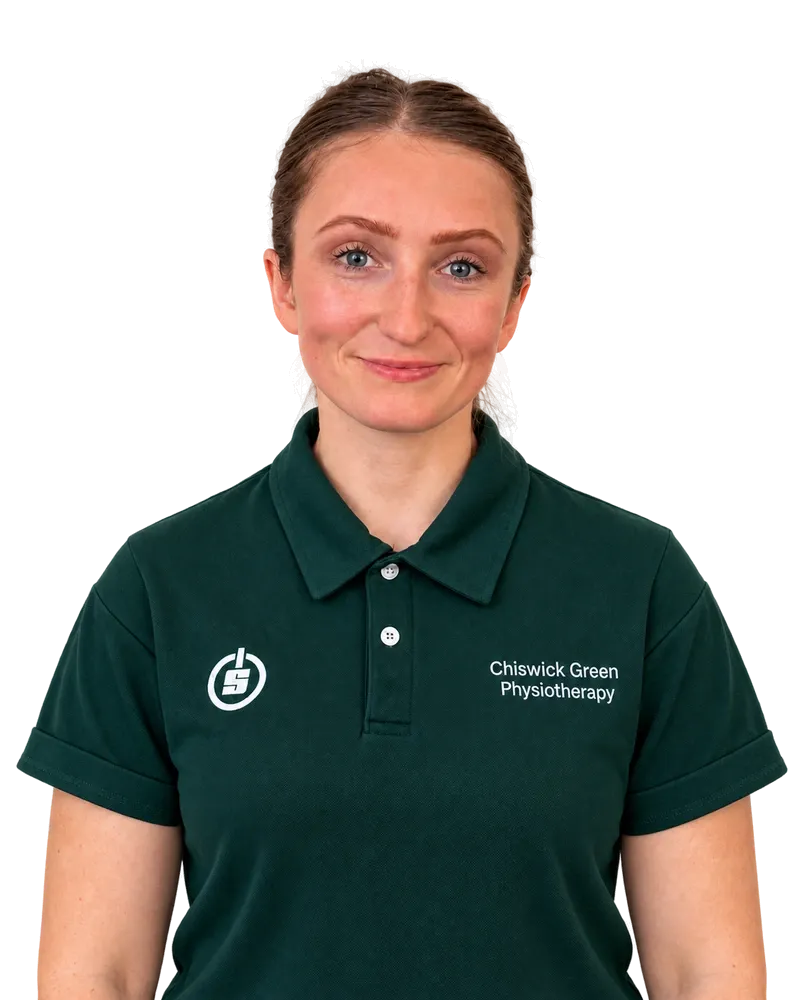
You will see one of our HCPC-registered physiotherapists. Our team includes Patrick Kenny, Owner and Clinical Director, with over 15 years of clinical experience, and Senior Physiotherapists Leah Hanson and Jess Vernon.
All our clinicians are employed by the clinic and spend at least three hours a week on training. You will find us at 76-77 South Parade, Chiswick (opens in a new tab), opposite Acton Green Common. If sitting is painful, let us know when you book and we will do what we can to keep you comfortable. An initial physiotherapy assessment costs £99 for 60 minutes, with follow-up sessions from £79.


Many cases improve over weeks to months. Physiotherapy can help you stay active, manage pain and build strength while your symptoms settle, and can pick up anything that needs further medical review.
Long periods of bed rest are not usually recommended. Gentle movement and staying as active as your symptoms allow tend to help recovery. We will help you find what is comfortable.
Most people do not need a scan to start treatment. A scan may be considered if symptoms are severe, not improving or if surgery is being discussed. We will advise you if a referral would be useful.
Yes, an irritated nerve can affect strength. Mild weakness often improves as the nerve settles. Severe or worsening weakness needs prompt medical attention.
Yes, we work with insurers including Bupa, AXA, Aviva and WPA. Please check your cover and get any authorisation you need before your appointment.
Ready to get back to sitting, walking and sleeping more comfortably? Book online or call 020 3813 0114 to arrange your sciatica assessment in Chiswick.