



Pelvic and Women's Health Physiotherapy in Chiswick
In short Leaking, pelvic heaviness, pain with sex and changes after pregnancy or around menopause are common, but you do not have to put up with them. At Chiswick Green Physiotherapy our women's health physiotherapists give you time to explain what has changed, assess your symptoms sensitively and build a plan around what you want to do again.
Have you stopped doing things because you do not quite trust your body anymore?
Has your body changed, leaving you unsure who to turn to for help? Perhaps you leak when you run, cough or sneeze. You may feel heaviness in your pelvis, find sex uncomfortable, or feel unsure about returning to exercise after having a baby. Changes around perimenopause or menopause may have left you wondering what is happening and where to turn.
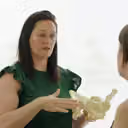
These symptoms can be difficult to talk about. Our experienced women's health physiotherapists give you time to explain what has changed, assess your symptoms in detail and create a plan around what you want to do again.
We believe your body deserves the very best care. If you feel the same, we'd love to be part of your journey back to feeling like yourself again.
What is women's health physiotherapy?
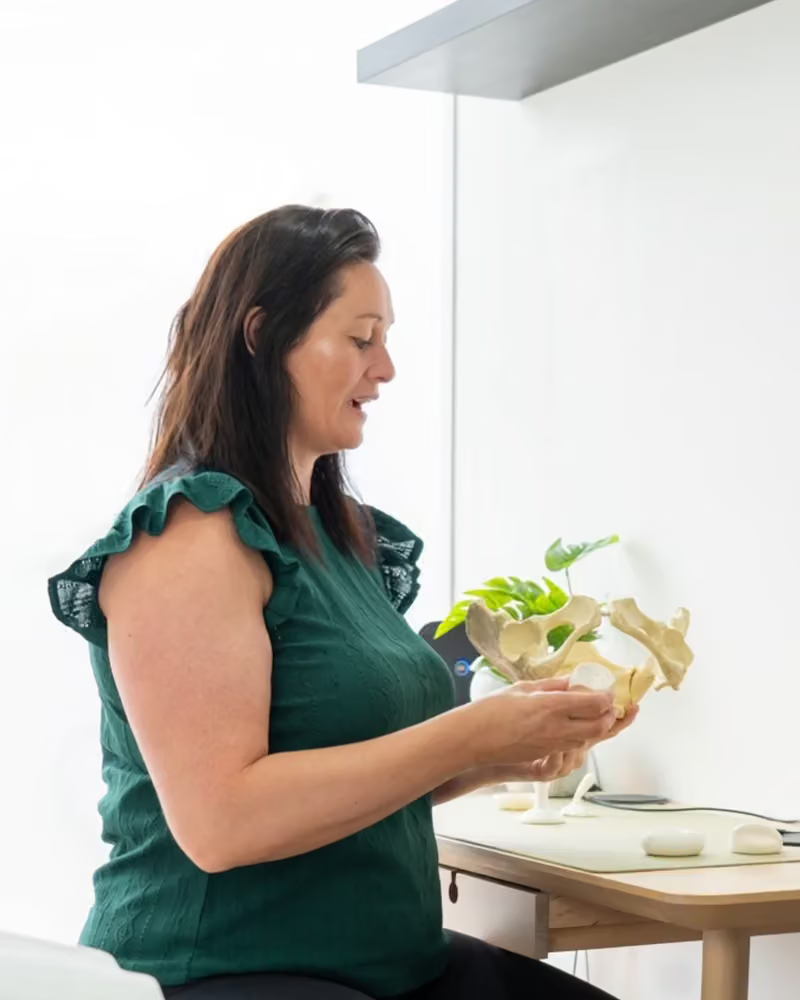
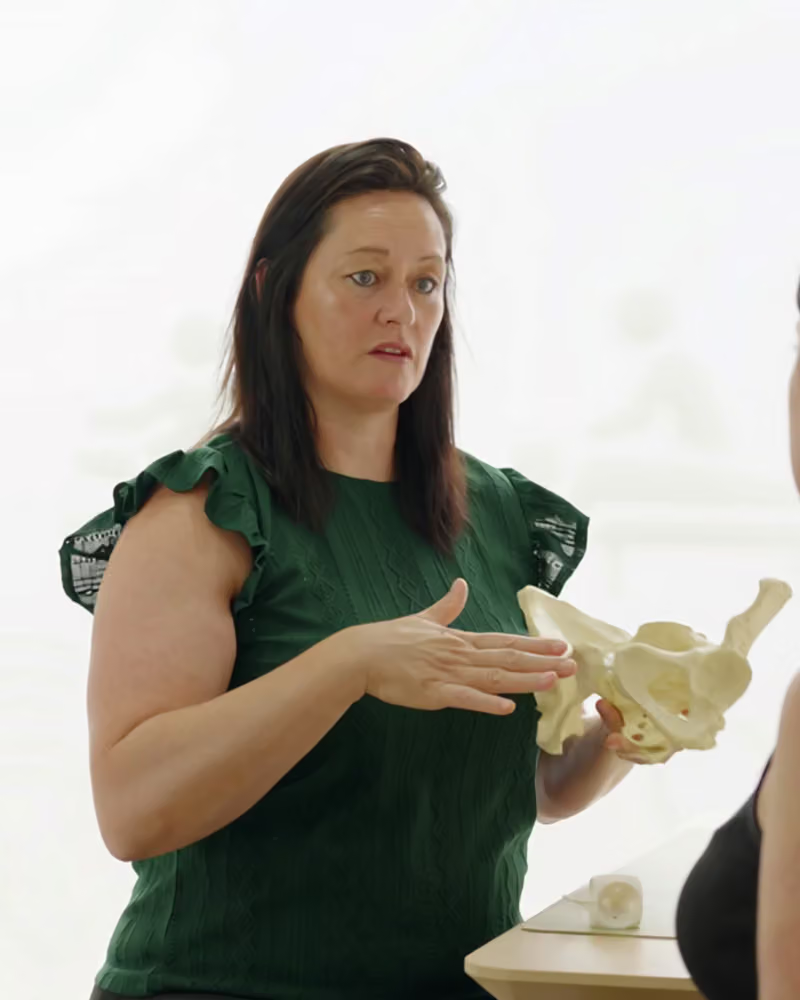
Women's health physiotherapy, also called pelvic health physiotherapy, is specialist assessment and treatment for problems affecting the pelvic floor, bladder, bowel, pelvis and tummy muscles.
Do any of these sound familiar?
- I leak when I cough, sneeze, run or exercise.
- I feel pressure, heaviness or dragging in my pelvis.
- Sex has become painful or uncomfortable.
- I do not feel confident in my core since having my baby.
- I have been told I have a prolapse and do not know which activities are suitable.
- I want to return to running or lifting but worry about making symptoms worse.
- My bladder or pelvic symptoms have changed around menopause.
- I have tried pelvic floor exercises but am unsure whether I am doing them correctly.
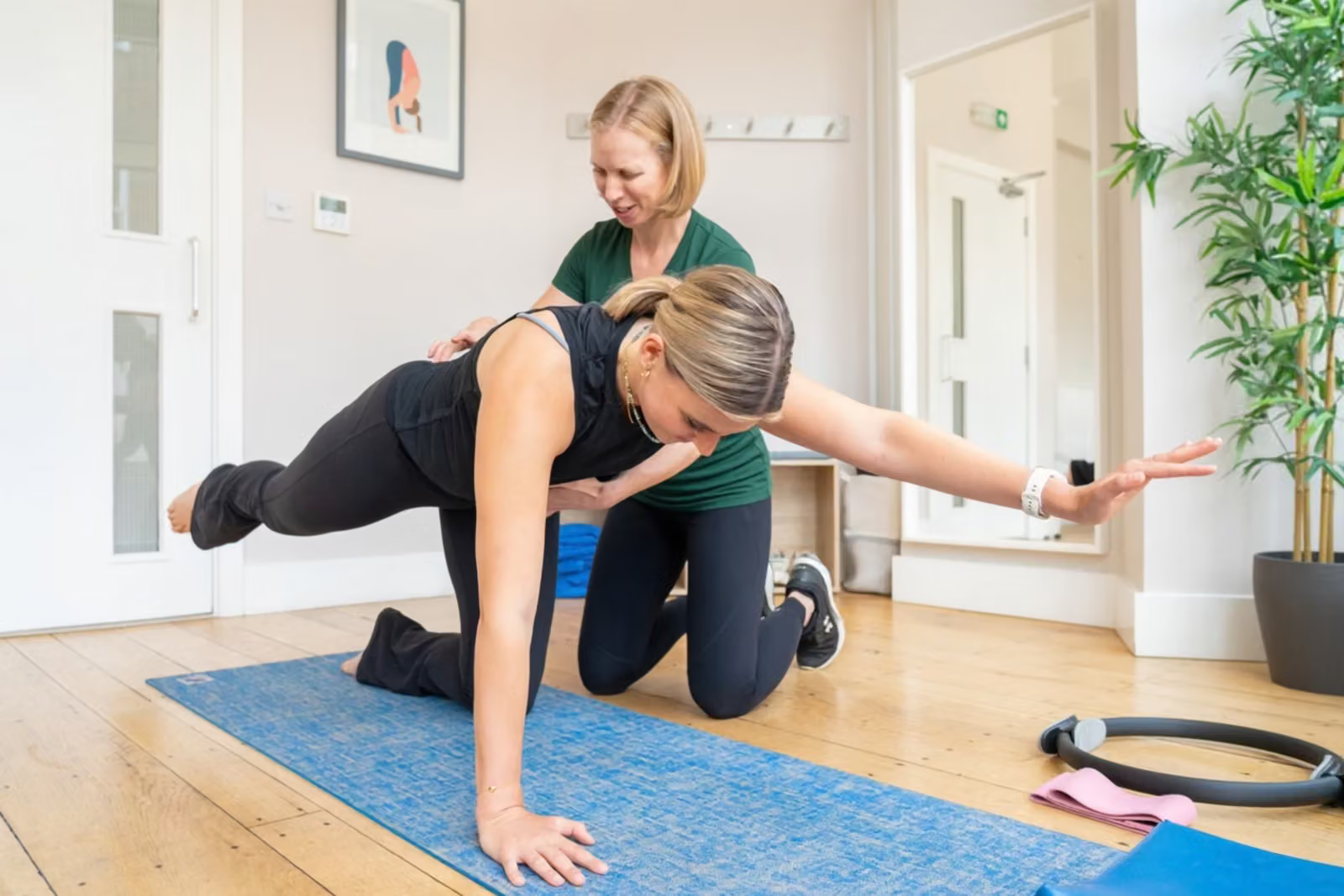
Symptoms we help with
We help with leakage, urgency, pelvic organ prolapse symptoms, pelvic pain and postnatal recovery. You do not need to wait until symptoms become severe to ask for help.
We can also support concerns involving bowel control, pelvic discomfort during pregnancy, tummy muscle separation and recovery following gynaecological surgery. Pelvic pain conditions we see include vaginismus, vulvodynia and bladder pain syndrome.
What could be contributing to your symptoms?
Pelvic symptoms usually have several contributing factors, including pregnancy and birth, hormonal changes, strength and coordination of the pelvic floor, and how pressure is managed during everyday movement.
An assessment helps us understand how your pelvic floor works alongside your breathing, abdominal muscles and everyday movement, and whether other medical input is needed. Treatment may involve improving muscle coordination or strength, but some people need help with relaxation or pain management. Our detailed assessment will allow us to develop a bespoke recovery plan to address the nuances that every patient presents with.
Pregnancy and recovery after birth
We can help you explore pelvic discomfort, leakage and concerns about abdominal recovery. After birth, we work towards the daily demands and exercise you want to return to, taking account of your symptoms and recovery so far.
Perimenopause and menopause
If you have noticed changes in pelvic comfort, bladder symptoms or exercise tolerance, we can assess how physiotherapy may help. Where symptoms also need medical treatment, we can advise you to speak with your GP or relevant specialist.
Pelvic pain and recovery after surgery
Pain affecting everyday activity or intimacy deserves a sensitive assessment. We can support rehabilitation after gynaecological surgery and work alongside your medical team when needed.
When to get urgent help
Some symptoms need medical review before or alongside physiotherapy.
- Seek urgent care through NHS 111 or A&E if you have heavy vaginal bleeding, sudden severe pelvic or tummy pain, or pelvic pain with a high temperature.
- Call 999 or go to A&E if you suddenly cannot pass urine, or have new numbness around your genitals or bottom with back pain.
- See your GP if you notice blood in your urine, bleeding after menopause, bleeding between periods or after sex, or a lump you can see or feel that is new.
- If you are pregnant and have bleeding, reduced baby movements, severe pain or fluid leaking, contact your maternity unit straight away.
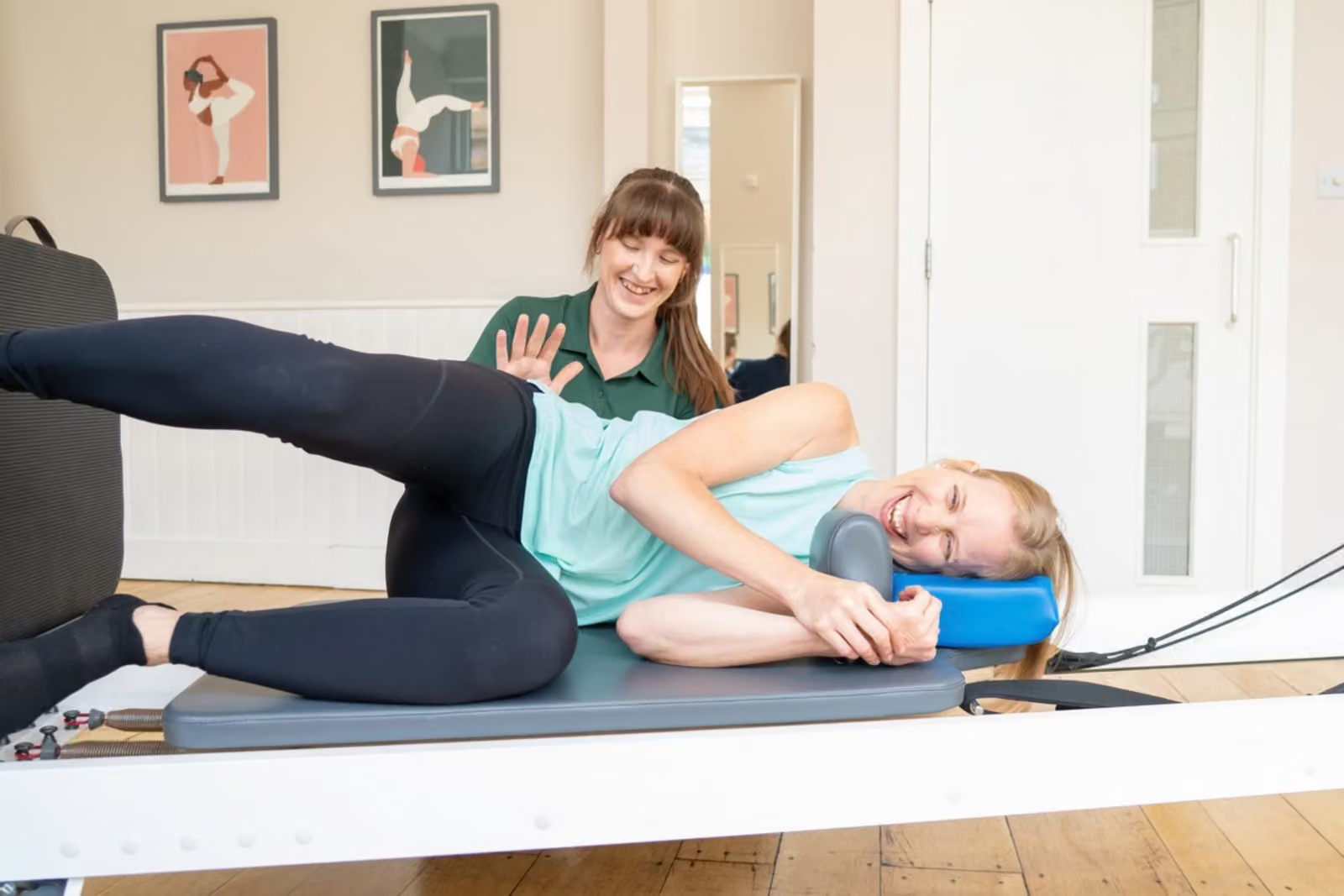
How we treat women's health concerns
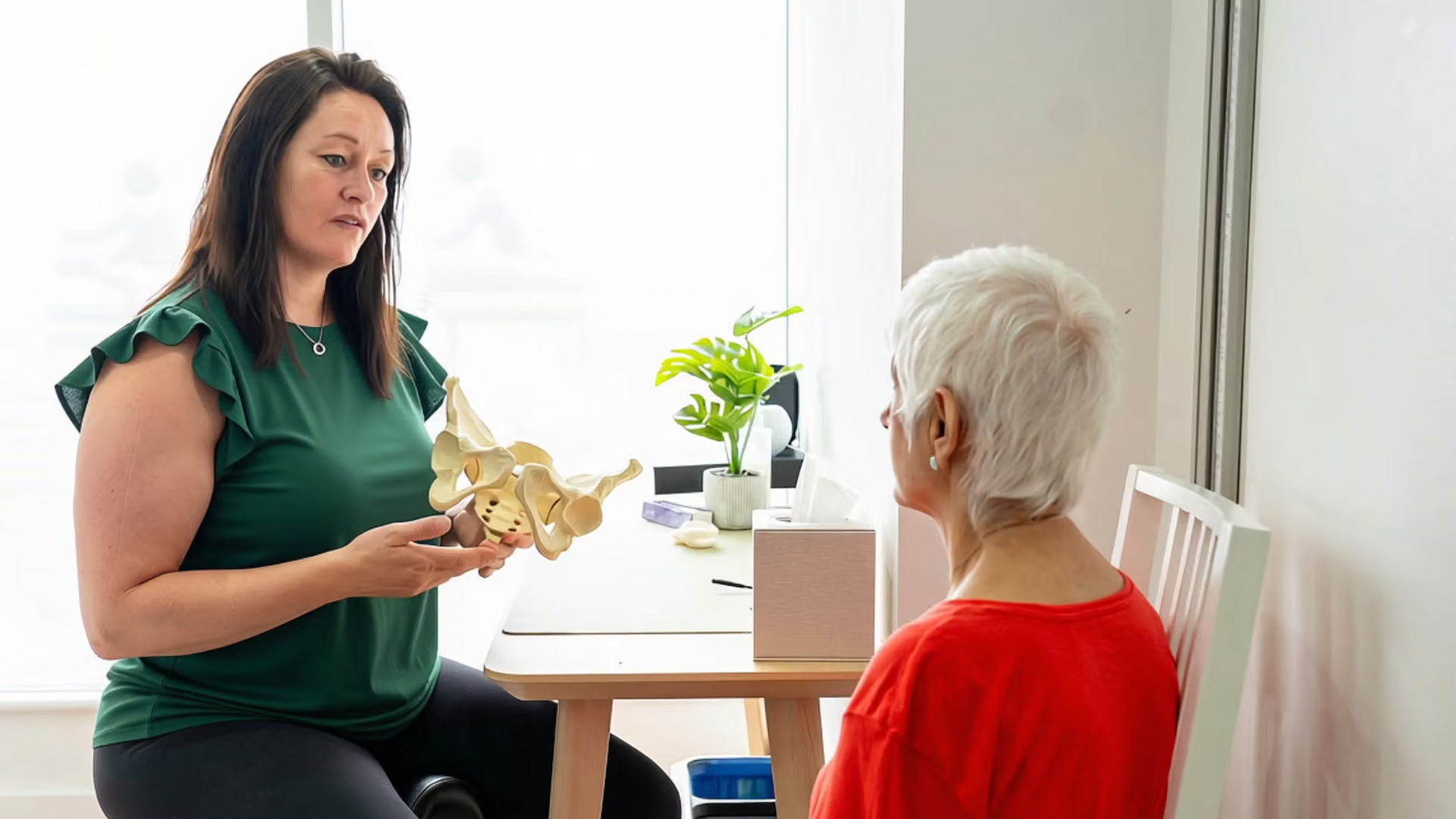
We start with a conversation about your symptoms, health history and goals. You can tell us what concerns you most and ask questions before deciding how to proceed.
Your physical assessment may include breathing, posture, abdominal function and movement. A pelvic floor examination may also be useful. If we recommend an internal vaginal examination, we explain its purpose, what it involves and the alternatives before asking for your consent. An internal examination is optional. You can decline it, pause it or stop it at any time. We discuss how this affects the information we can gather and agree an approach you are comfortable with.
We explain the findings in plain language and build a treatment plan with you. This includes advice you can use straight away and a clear understanding of the next steps.
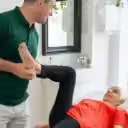
Your plan may include exercises to improve pelvic floor function, abdominal rehabilitation, advice about bladder or bowel habits and a gradual return to exercise. We review how symptoms respond and adjust the plan as you progress.
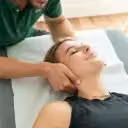
Where appropriate, hands-on treatment may help address discomfort or scar sensitivity. We explain the options and ask for your consent before treatment.
For suitable patients, additional assessment or support may include pelvic floor ultrasound or biofeedback, or a pessary assessment for prolapse symptoms. We discuss whether these options could be helpful and how to access them.
- Recover: understand your symptoms and work towards reducing leakage, discomfort or pain that affects your daily life.
- Rebuild: develop the pelvic floor function, abdominal strength and movement confidence you need for your own goals. If tummy separation is part of the picture, see our diastasis recti page.
- Thrive: work towards returning to exercise, intimacy and everyday activities with greater confidence. Ongoing exercise rehabilitation by one of our women's health exercise specialists can be undertaken in our clinic Pilates studio or gym.
Specialist private pessary assessment and fitting
Does pelvic heaviness or leakage make you hesitate before exercising or going about your day? Alongside physiotherapy, we offer specialist private pessary assessment and fitting for women who may benefit from additional support.
A vaginal pessary is a device fitted inside the vagina to support pelvic organ prolapse. For some women, it can reduce heaviness or dragging and make everyday movement or exercise more comfortable. It may be used regularly or for particular activities, depending on your needs and the type fitted.
This service requires additional training and experience in pessary assessment and fitting. We assess whether a pessary is suitable, discuss your options and, with your consent, trial the appropriate type and size. If it is helpful, we explain how to manage it and arrange follow-up care. A pessary can form part of your wider rehabilitation plan alongside pelvic floor work, clinical Pilates or gym-based exercise.
Speak to our team or book online for a pessary assessment and fitting.
Recovery time
Many pelvic floor programmes are reviewed over around three months, as muscles take time to strengthen.
Who you will see
You will see a women's health physiotherapist with postgraduate pelvic health training. Our wider team brings together women's and pelvic health physiotherapists with clinicians experienced in supporting women through clinical Pilates and exercise rehabilitation. Across the team, this includes extensive postgraduate pelvic health training and experience in pregnancy and postnatal recovery, pelvic floor rehabilitation, prolapse, pelvic pain and returning to exercise. Our women's health work follows POGP guidance.
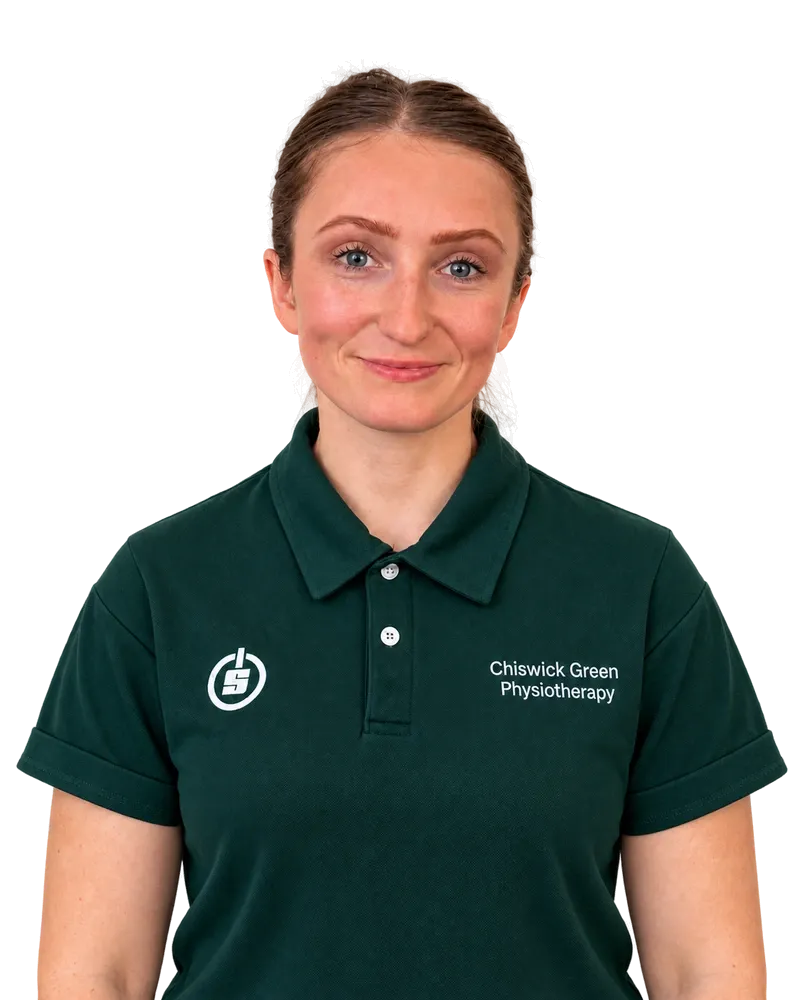 Leah Hanson Senior Physiotherapist and Pilates Instructor
No. Pelvic health concerns can arise at different stages of life. You can seek support for symptoms such as leakage, heaviness or pelvic pain whether or not you have been pregnant.
No. It is offered only when appropriate and with your consent. You can decline or stop it. Your physiotherapist will explain alternative assessment options and any limitations so you can decide what feels right for you.
You can take the conversation at your own pace. We use clear, respectful language and explain why we are asking particular questions. Tell us if there is anything that would make the appointment more comfortable.
Yes, pelvic health physiotherapy may be helpful during pregnancy. Tell the team that you are pregnant when booking. Assessment and exercise advice will take account of your pregnancy and any guidance from your maternity team.
There is no single date that suits everyone. We consider your recovery, pelvic symptoms, strength and tolerance of activity before planning a gradual return. Your postnatal medical check is also important, but it does not replace an assessment of running readiness.
Physiotherapy can help you manage symptoms, understand pelvic floor function and adapt exercise. We also offer specialist private pessary assessment and fitting when additional support may be useful. Your clinician will discuss whether this is suitable and when further medical assessment is needed.
We discuss your symptoms and medical history, assess whether a pessary could help, and explain the examination before asking for your consent. We may trial different types or sizes to find comfortable, effective support. You receive guidance on care and removal where appropriate, and a plan for follow-up. A pessary is not suitable for everyone; the assessment helps us decide together.
For women's health rehabilitation, we use clinical Pilates tailored to your assessment, symptoms and goals. The benefit comes from skilled cueing, appropriate loading and adapting each exercise to how your body responds, rather than simply working your abdominal muscles. Your clinician considers breathing, pelvic floor coordination and abdominal function, including when to relax as well as when to engage. A general Pilates class may not provide this level of individual guidance. Clinical Pilates can support your rehabilitation, but it does not replace a pelvic health assessment or other treatment when needed.
This depends on the symptoms, their contributing factors and the treatment plan. We discuss realistic expectations after assessment and review progress with you. We cannot promise a fixed number of sessions or a particular outcome.
Women's health initial assessments are £151 for 60 minutes. Follow-ups are £83 for 30 minutes or £127 for 45 minutes.
Ready to feel more confident in your body? You can start by telling us what has changed and what you want to get back to. Book a women's health assessment online, or call our team on 020 3813 0114 if you would like to understand the appointment before committing.