

Knee Pain Treatment in Chiswick
In short Knee pain can come from injury, overuse or joint changes such as osteoarthritis, and most cases improve with the right exercise and advice. At Chiswick Green Physiotherapy we assess what is causing your pain, help settle it and build strength so you can walk, run and play with confidence again.
Clinically reviewed by Patrick Kenny, Clinical Director and Sonographer, HCPC PH106536
Is knee pain holding you back?
Do you think twice before taking the stairs, kneeling down or heading out for a run? Has your knee started to ache after walking, or swell after sport?
Knee pain can quietly shrink your world. You might stop running with friends, avoid long walks or feel nervous every time you twist or squat. Some people notice clicking or a feeling that the knee might give way. Whatever has changed for you, we will listen and help you understand what is going on.
What is knee pain?
Knee pain is pain, swelling or stiffness in or around the knee joint. The knee is where your thigh bone meets your shin bone, with the kneecap at the front. It relies on cartilage, ligaments, tendons and muscles working together to keep it strong and stable.
Because the knee carries a lot of load in everyday life and sport, it is one of the most common places for pain. The good news is that the knee responds very well to strengthening and well-planned exercise.
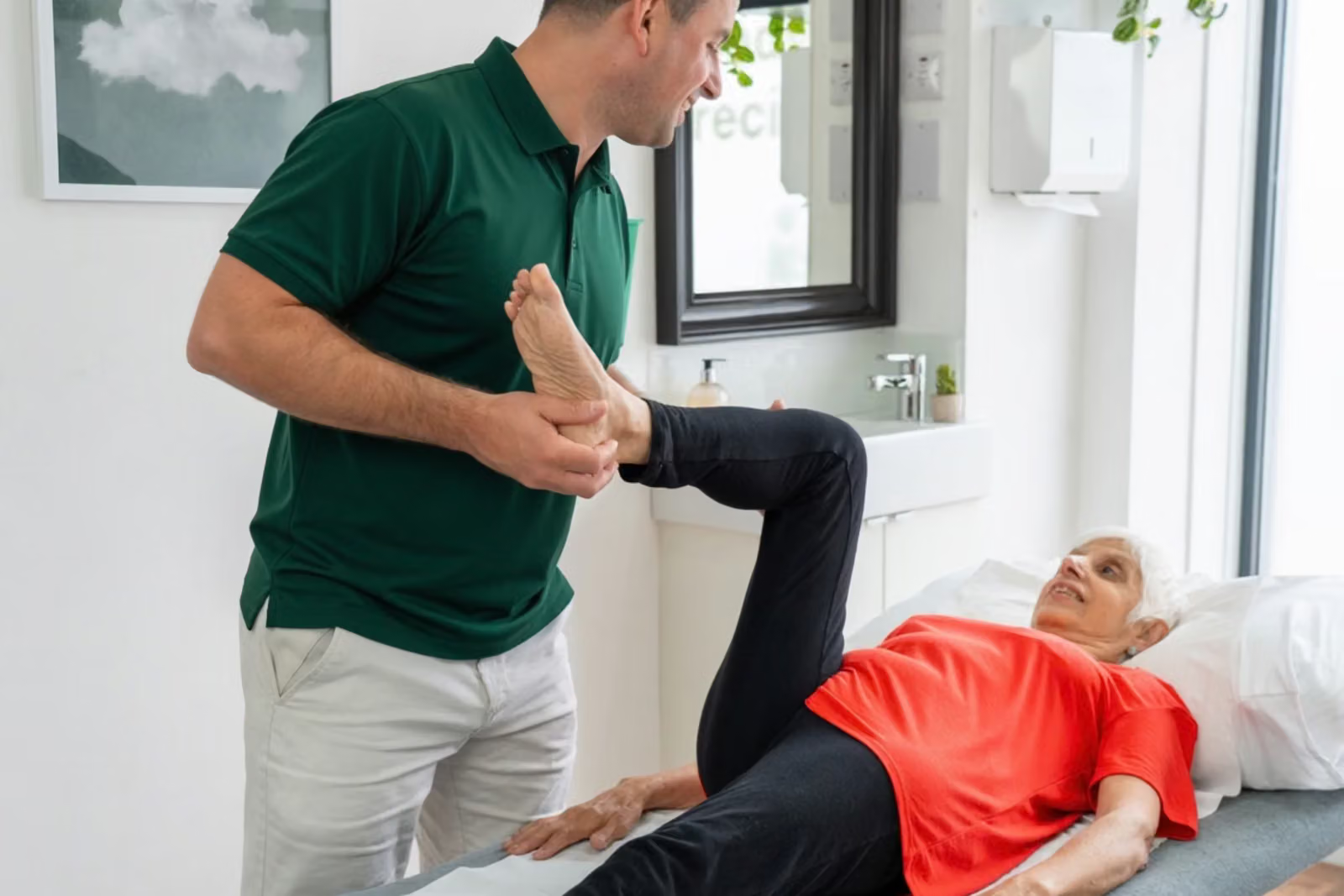
Symptoms of knee pain
Knee pain can show up in different ways, including:
- Pain at the front of the knee, around or behind the kneecap
- Pain on the inside or outside of the knee
- Swelling, stiffness or reduced bend
- Clicking, catching or locking
- A feeling that the knee is unstable or may give way
- Pain going up or down stairs, squatting or kneeling
What causes knee pain?
Common causes of knee pain include:
- Patellofemoral pain. Pain around the kneecap, often linked to running, cycling or a sudden increase in activity.
- Osteoarthritis. Changes in the joint that are common as we get older. Exercise is one of the most effective ways to manage symptoms.
- Ligament injuries. Such as an anterior cruciate ligament (ACL) or medial collateral ligament (MCL) sprain, often from twisting or impact in sport.
- Meniscus tears. Damage to the cartilage cushions inside the knee, from injury or gradual wear.
- Tendinopathy. Irritation of the patellar or quadriceps tendon, common in jumping and running sports.
Weakness in the hips and thighs, changes in training load and previous injuries can all play a part. If your pain started during sport, you may also find our sports injuries page useful.
When to get urgent help
Go to A&E if you cannot put any weight on your leg after an injury, if your knee looks deformed, or if you heard a loud pop followed by rapid swelling and you are unable to walk.
Seek urgent medical advice from your GP or NHS 111 if your knee is hot, red and swollen and you feel feverish or unwell, as this could be a sign of infection. Call 999 if you have calf pain, swelling and warmth in your lower leg with chest pain or breathlessness, as this could be a blood clot.
Speak to your GP if your knee repeatedly locks and will not straighten, or if pain and swelling are getting steadily worse.
How we treat knee pain
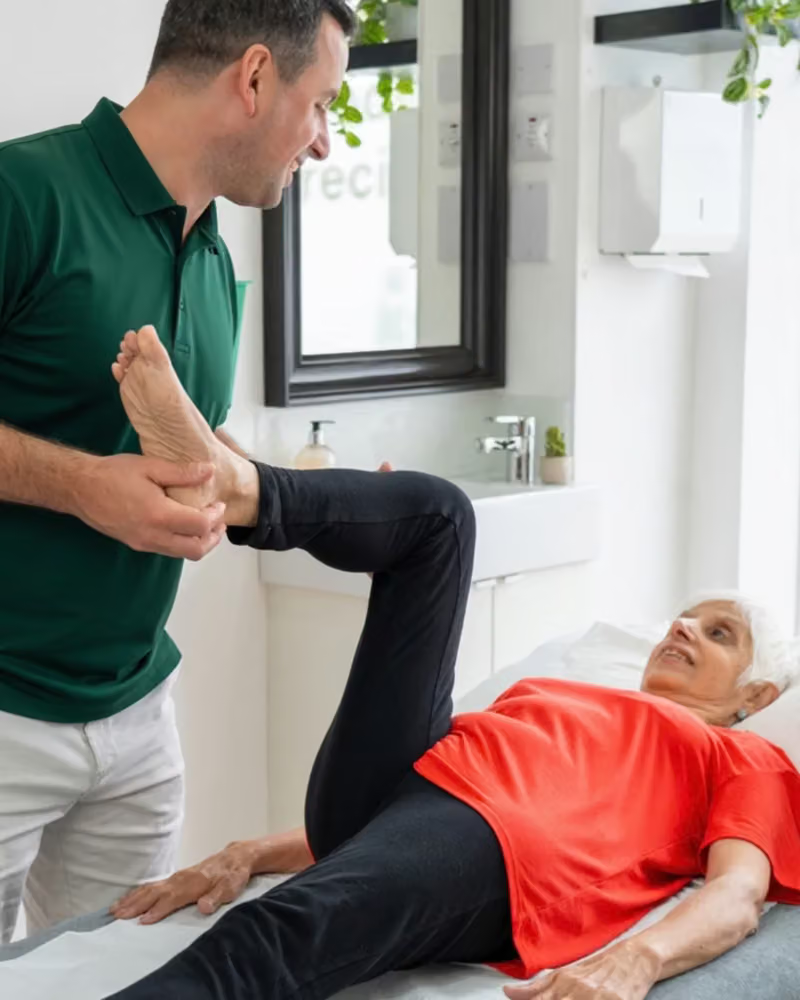
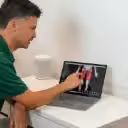
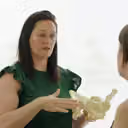
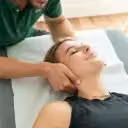
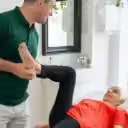
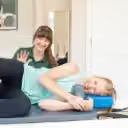
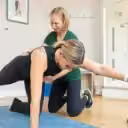
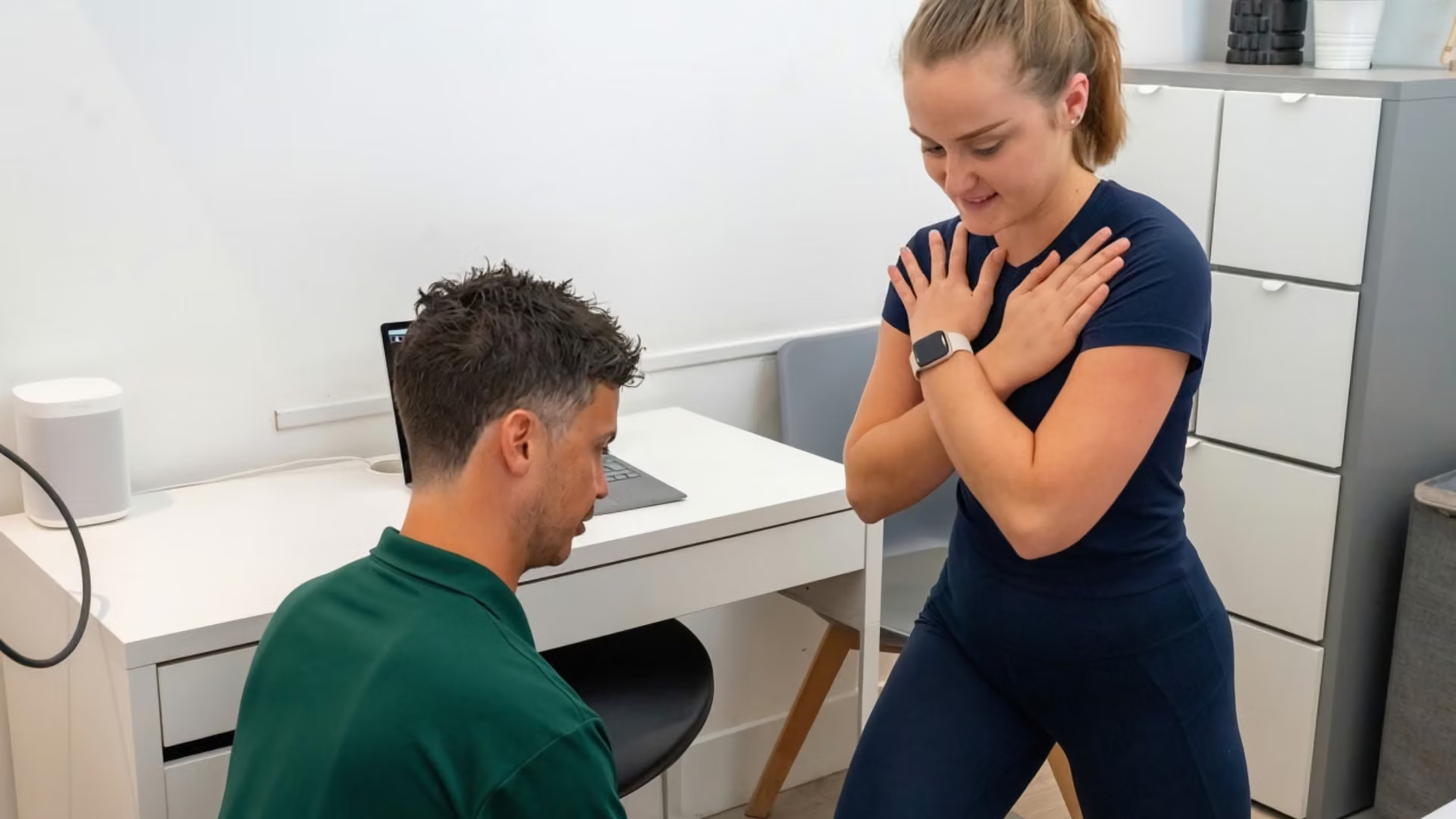
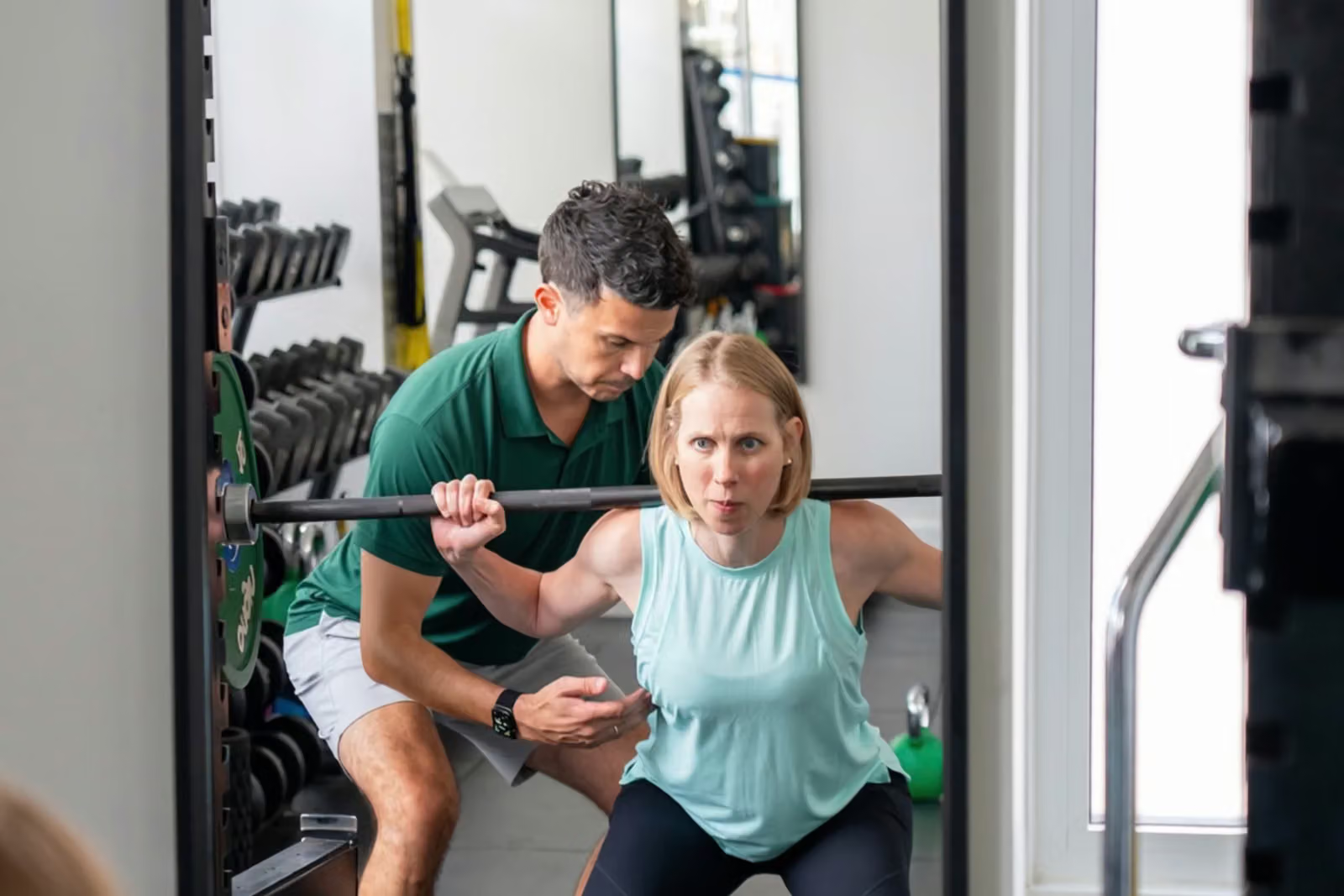
We treat knee pain by finding the cause and building a plan to restore strength, movement and confidence. Your first appointment includes a detailed conversation about your symptoms and goals and a hands-on assessment of your knee, hips and how you move.
We use our Recover, Rebuild and Thrive philosophy:
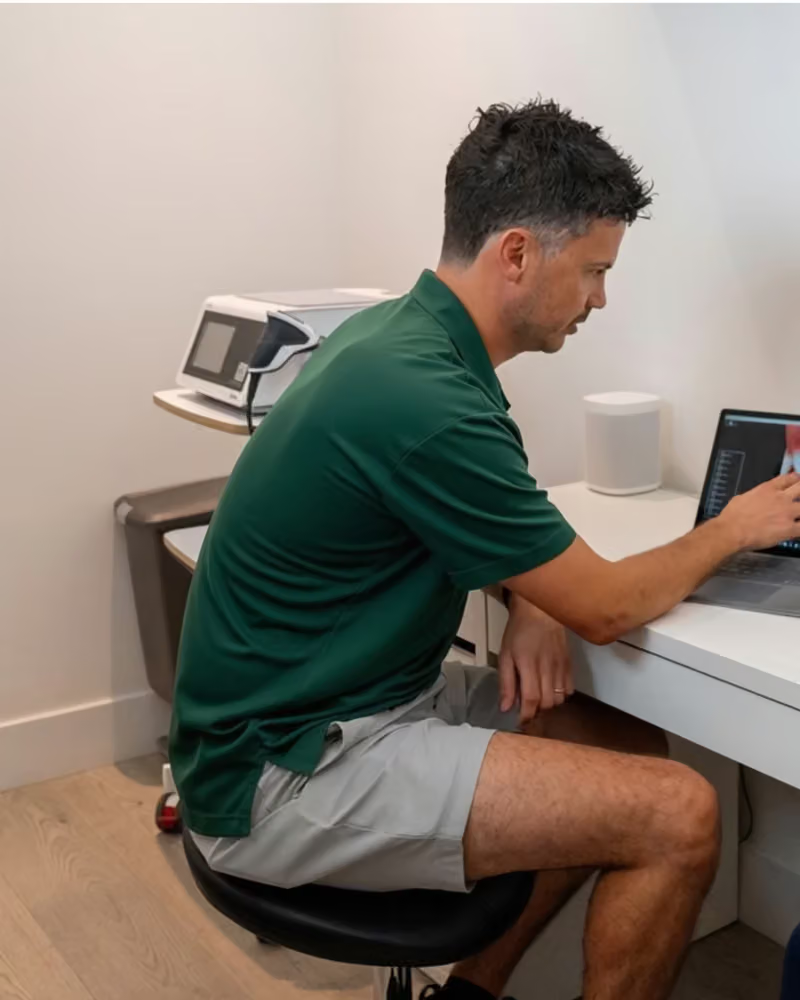
- Recover. We help settle pain and swelling with advice on activity, hands-on treatment and exercises you can start straight away. Where it helps, we can use diagnostic ultrasound to look more closely at the soft tissues around your knee.
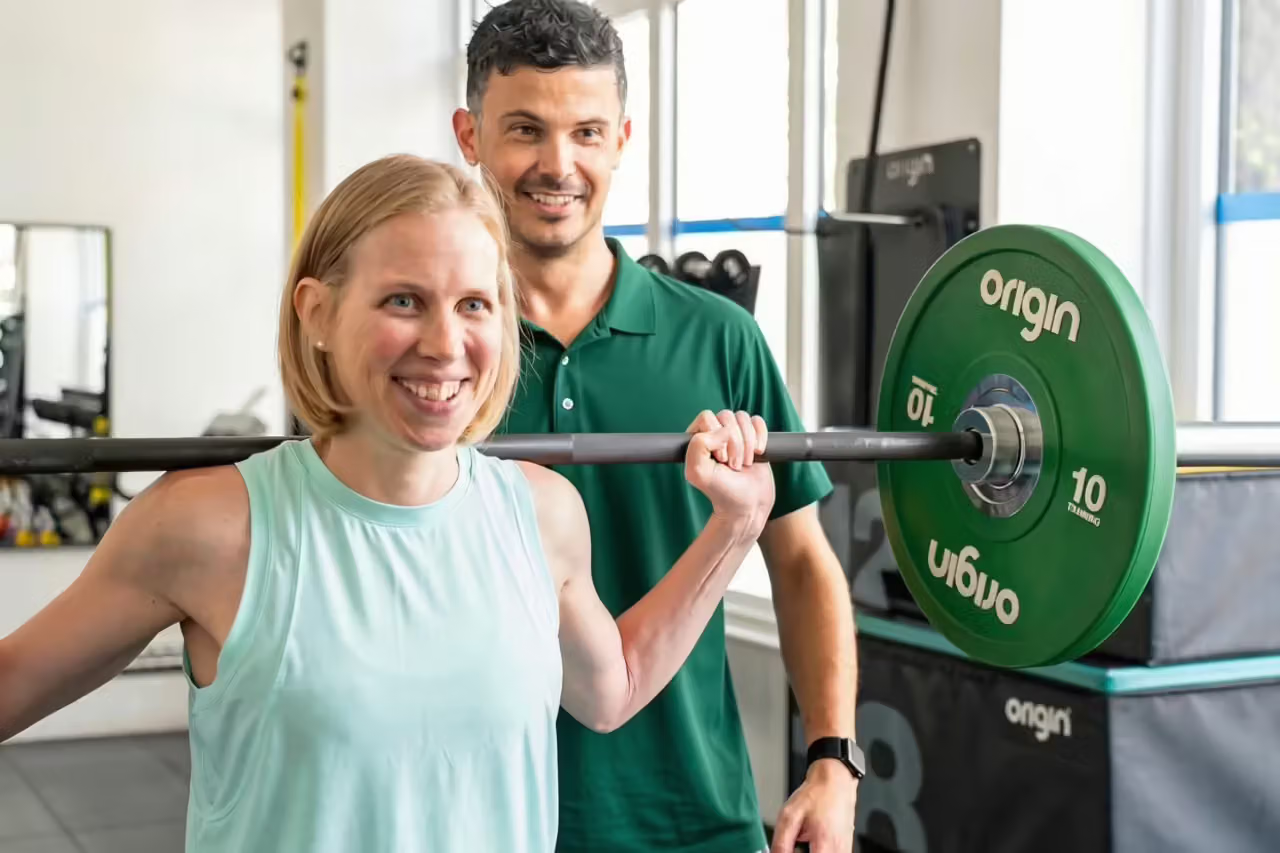
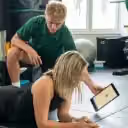
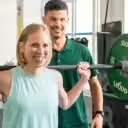
- Rebuild. We progressively strengthen your thigh, hip and calf muscles in our rehabilitation gym. VALD Force Plates and Dynamo testing helps us measure strength and track your progress objectively.
- Thrive. We guide your return to running, sport or long walks, and help you keep building strength through physio-led personal training.
For people with knee osteoarthritis, we may also discuss whether an unloader knee brace could help reduce pain during activity. If you have had knee surgery, our post-operative physiotherapy supports your recovery from the early stages.
How long does knee pain take to recover?
Minor strains and flare-ups can settle within a few weeks. Tendon problems and kneecap pain often take around two to three months of consistent exercise. Ligament injuries and recovery after surgery can take several months.
Your timescale depends on the cause, your activity goals and your general health. We will explain what to expect after your assessment and review your progress regularly. We will not promise a fixed outcome, but we will give you a clear plan.
Who you will see
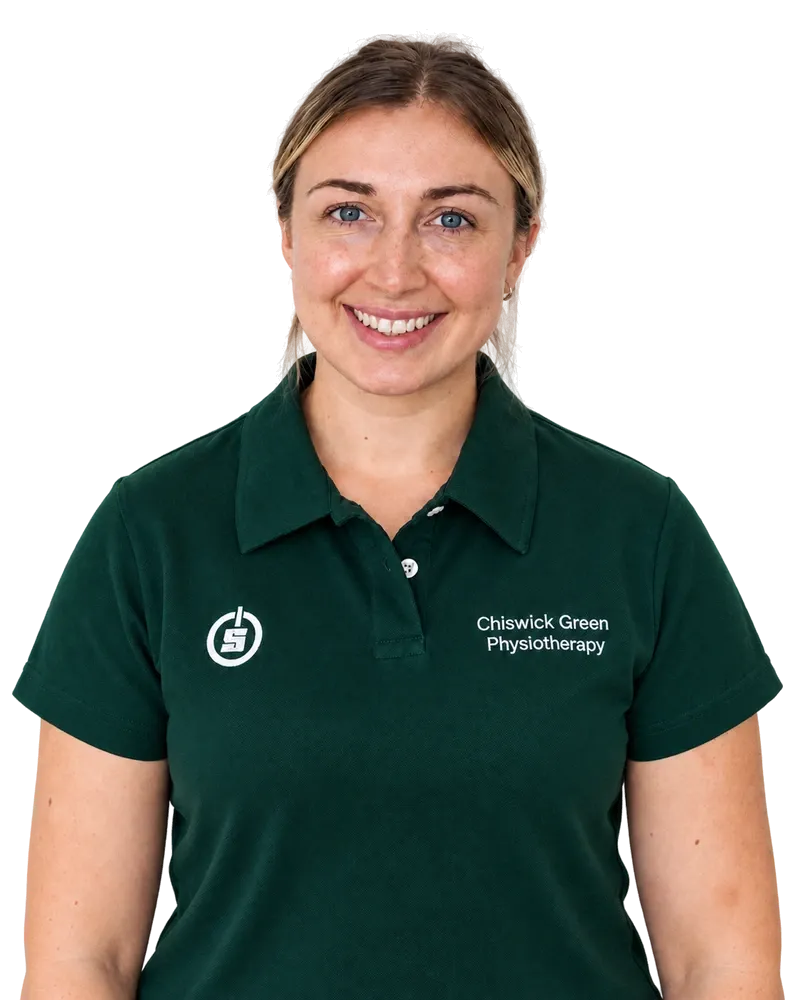
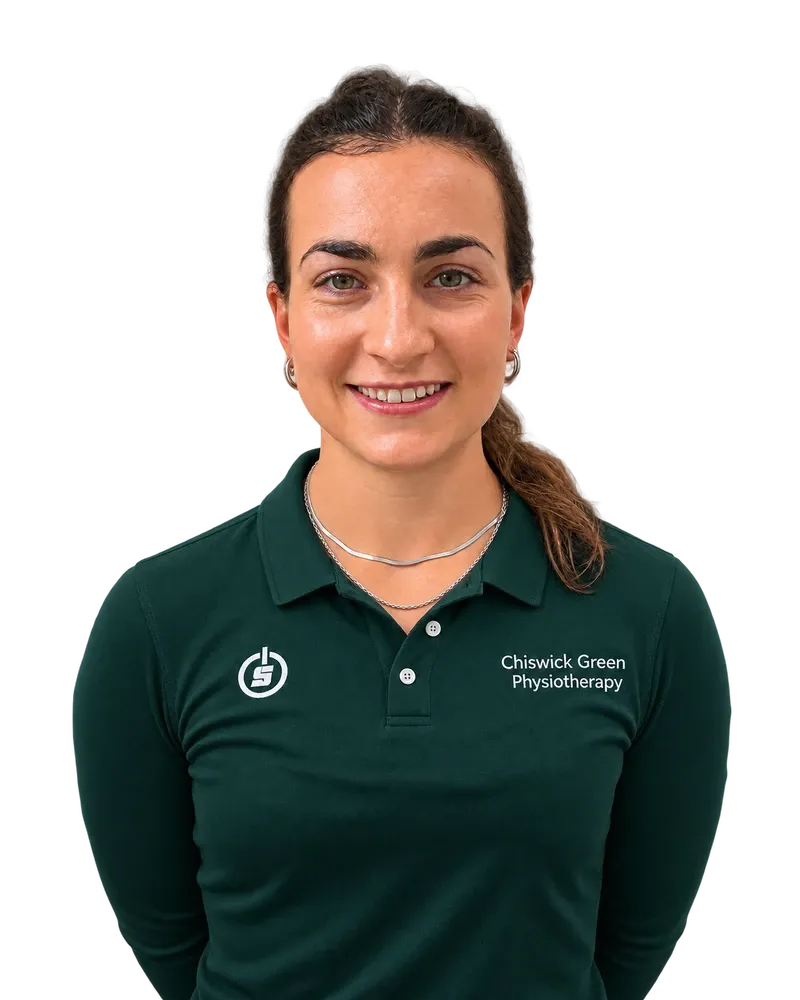
You will be seen by one of our HCPC-registered physiotherapists, including Patrick Kenny, Owner and Clinical Director, with over 15 years of clinical experience, and Senior Physiotherapists Leah Hanson and Jess Vernon.
Our clinicians are employed by the clinic and train together every week. We are at 76-77 South Parade, Chiswick (opens in a new tab), close to Chiswick Park Underground station. An initial physiotherapy assessment costs £99 for 60 minutes, with follow-up sessions from £79.
Often, yes, but you may need to adjust what you do for a while. Many people can keep active by changing the type or amount of exercise. We will help you find the right balance.
Clicking without pain or swelling is very common and usually harmless. If clicking comes with pain, locking or swelling, it is worth having your knee assessed.
Yes. Exercise and strengthening are recommended as core treatments for knee osteoarthritis. They can reduce pain and improve how well you move, though results vary from person to person.
Many knee problems can be assessed without a scan. If we think imaging or a specialist opinion would help, we will explain why and how to arrange it.
No, you can book directly with us. If you are using health insurance, check whether your insurer needs a referral or authorisation first.
Ready to take the stairs, walk further or get back to sport with confidence? Book online or call 020 3813 0114 to arrange your knee assessment in Chiswick.