




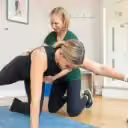



Elbow and Wrist Pain Treatment in Chiswick
In short Most elbow and wrist pain comes from irritated tendons, joints or nerves and often improves with the right mix of advice, load management and progressive exercise. At Chiswick Green Physiotherapy we find out what is driving your pain, explain it clearly and build a plan that gets you back to typing, lifting and playing sport with confidence.
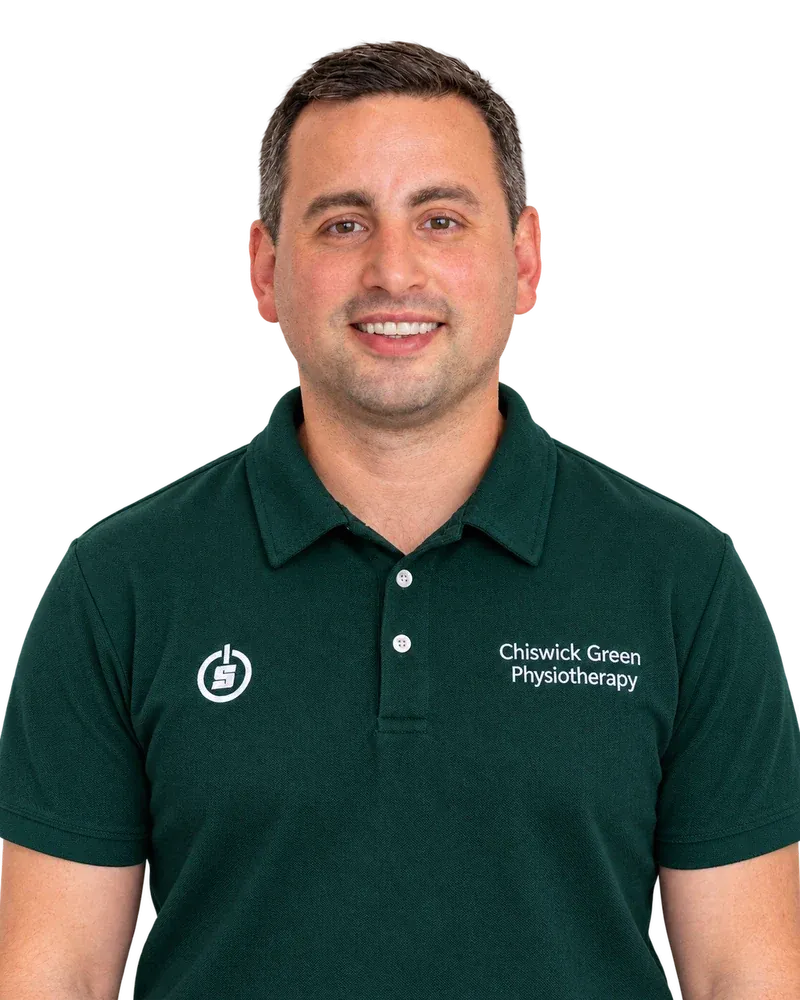
Clinically reviewed by Patrick Kenny, Clinical Director and Sonographer, HCPC PH106536
Is elbow or wrist pain getting in the way of everyday life?
Do you wince when you pick up the kettle, turn a door handle or shake someone's hand? Has a long day at the laptop left your forearm aching, or has pain started to stop you playing tennis, climbing or lifting in the gym?
Many people put up with elbow and wrist pain for months, hoping it will settle on its own. You might have tried resting, wearing a support or changing your mouse, only for the pain to return as soon as you get busy again. We see this often, and there is usually a clear way forward.
What is elbow and wrist pain?
Elbow and wrist pain is discomfort in the joints, tendons, nerves or muscles between your upper arm and your hand. It can be sharp, achy or burning, and it often affects grip and fine hand movements.
Common causes we assess include:
- Tennis elbow (lateral elbow tendinopathy), felt on the outside of the elbow
- Golfer's elbow (medial elbow tendinopathy), felt on the inside of the elbow
- De Quervain's tenosynovitis, pain at the base of the thumb
- Wrist sprains and ligament injuries after a fall
- Carpal tunnel syndrome and other nerve irritation
- Pain after a fracture, once the bone has healed

Symptoms
The most common symptoms are pain when gripping, lifting or twisting, along with stiffness and reduced strength in the hand.
- Pain on the outside or inside of the elbow, sometimes spreading down the forearm
- A weak grip, or dropping things more often
- Pain at the thumb side of the wrist when lifting a baby or a pan
- Pins and needles or numbness in the fingers, especially at night
- Swelling, clicking or a feeling of instability in the wrist
- Morning stiffness that eases as you move
Causes
Most elbow and wrist pain builds up gradually when the tendons and joints are asked to do more than they are ready for. A sudden injury, such as a fall onto an outstretched hand, is the other common cause.
Things that can contribute include a jump in computer work, a new racket sport or climbing routine, DIY projects, repetitive lifting at work or caring for a young baby. Reduced strength in the shoulder, forearm and grip can also mean the elbow and wrist take more of the load. We look at all of this, not just the sore spot.
When to get urgent help
Most elbow and wrist pain is not serious, but some signs need medical attention first.
- Go to A&E if you have had a fall or injury and your elbow or wrist looks deformed, is very swollen, or you cannot move it or bear weight through your hand.
- Call 999 if arm pain comes with chest pain, breathlessness, sweating or feeling sick, as this can be a sign of a heart problem.
- Contact your GP or NHS 111 urgently if the joint is hot, red and swollen and you feel unwell or have a fever.
- Speak to your GP if numbness or weakness in your hand is getting steadily worse.
If you are unsure, call NHS 111 for advice. We will always refer you on if your symptoms need medical review.
How we treat elbow and wrist pain
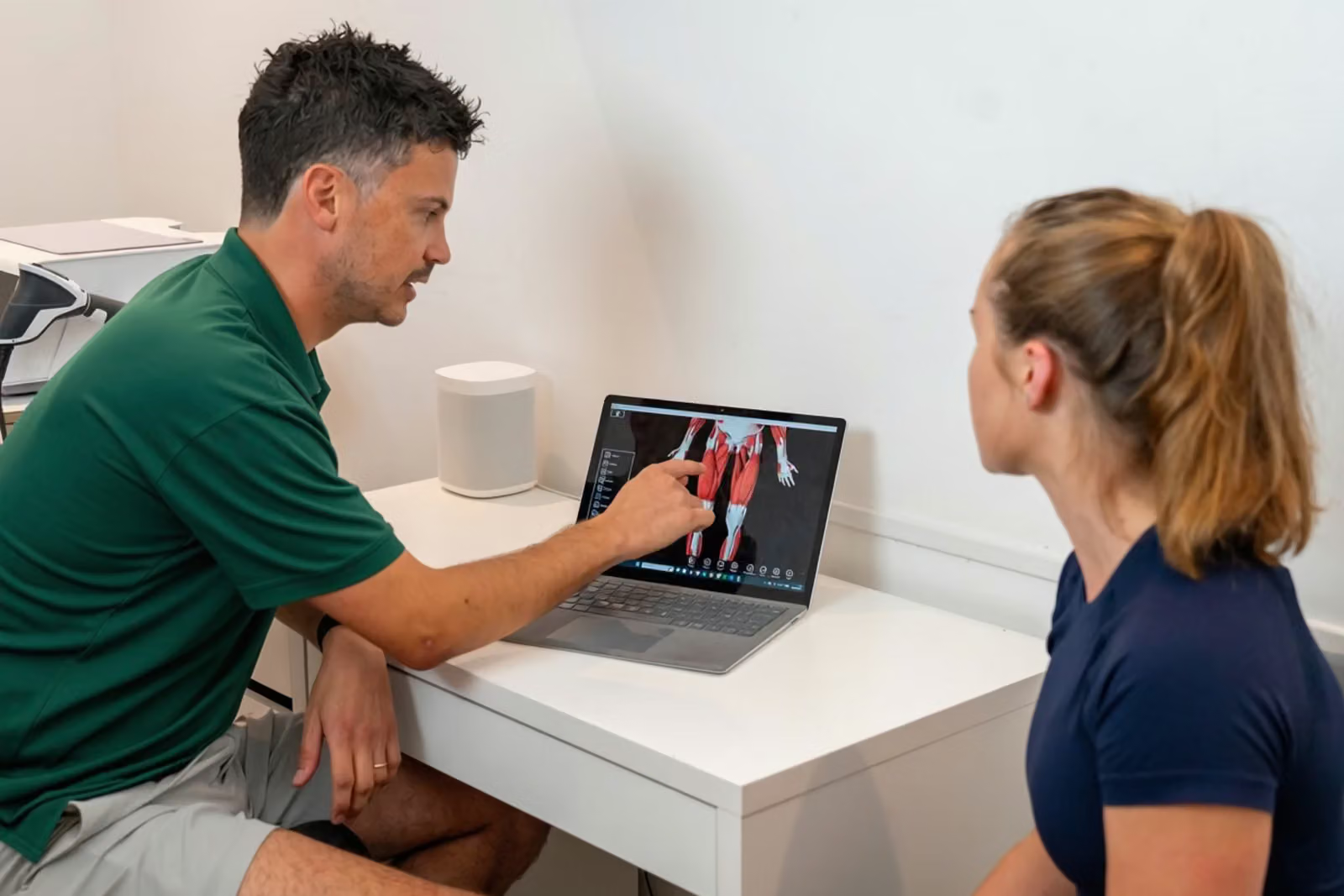
We treat elbow and wrist pain by finding the cause, settling the pain and then building the strength your arm needs for the things you do every day.
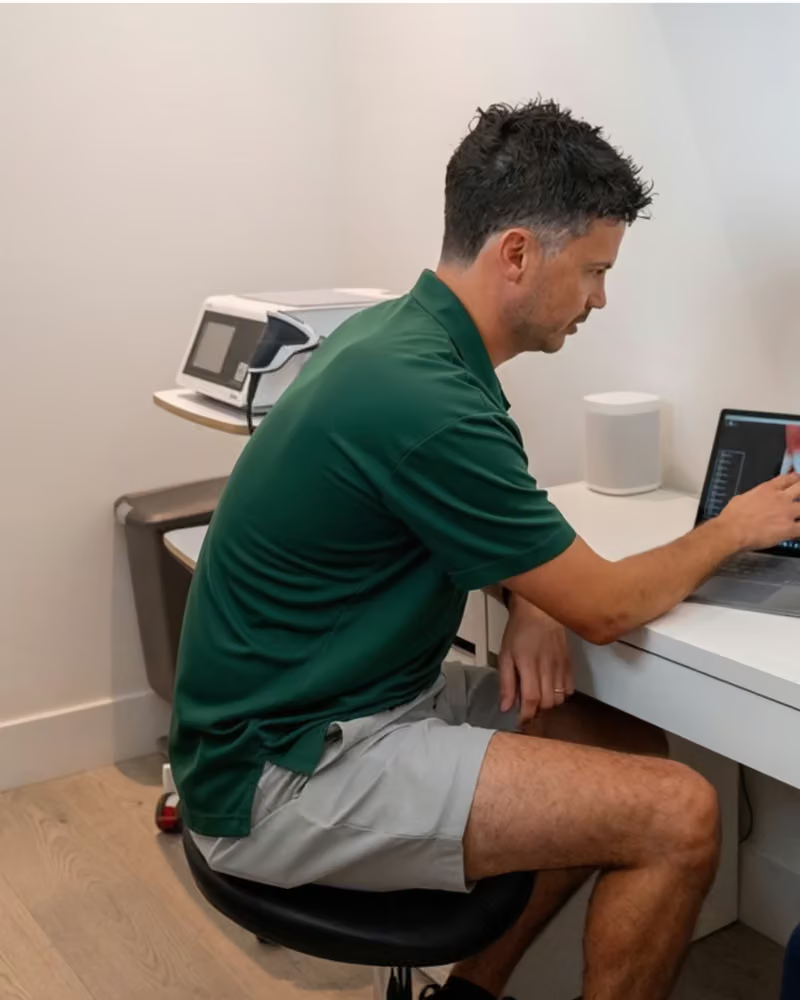
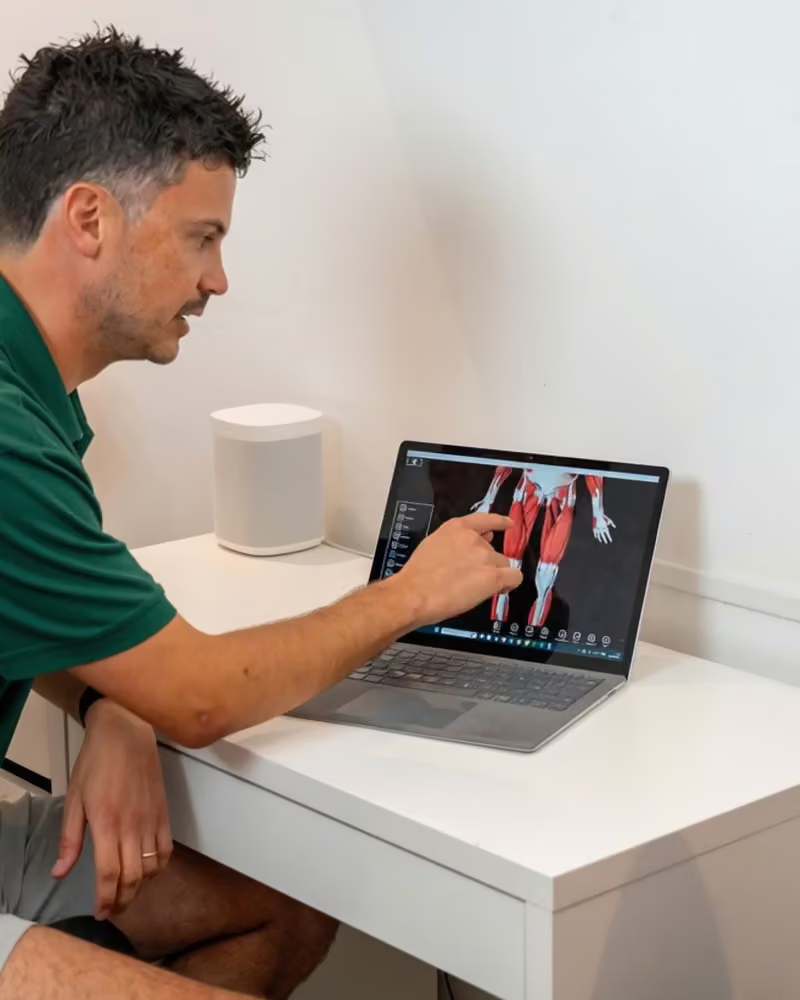
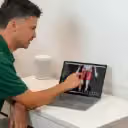
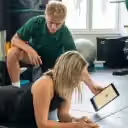
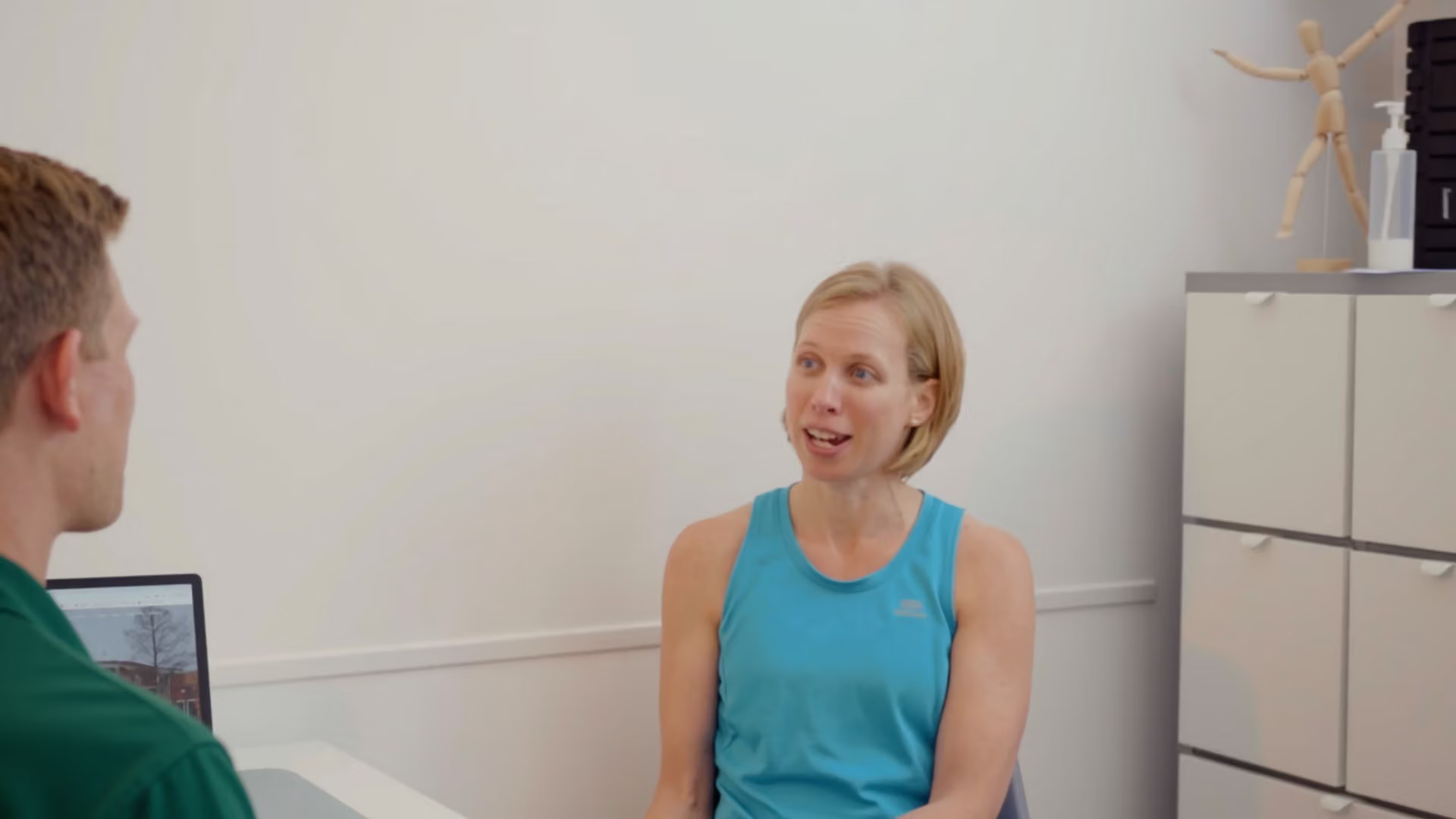
Your first appointment starts with a conversation about your pain, your work and your hobbies. We then assess your elbow, wrist, neck and shoulder, test your grip and check how your nerves are moving. Where it helps, we can use our diagnostic ultrasound to look more closely at tendons and soft tissue.
We help you get back to feeling your best through our Recover, Rebuild and Thrive philosophy:
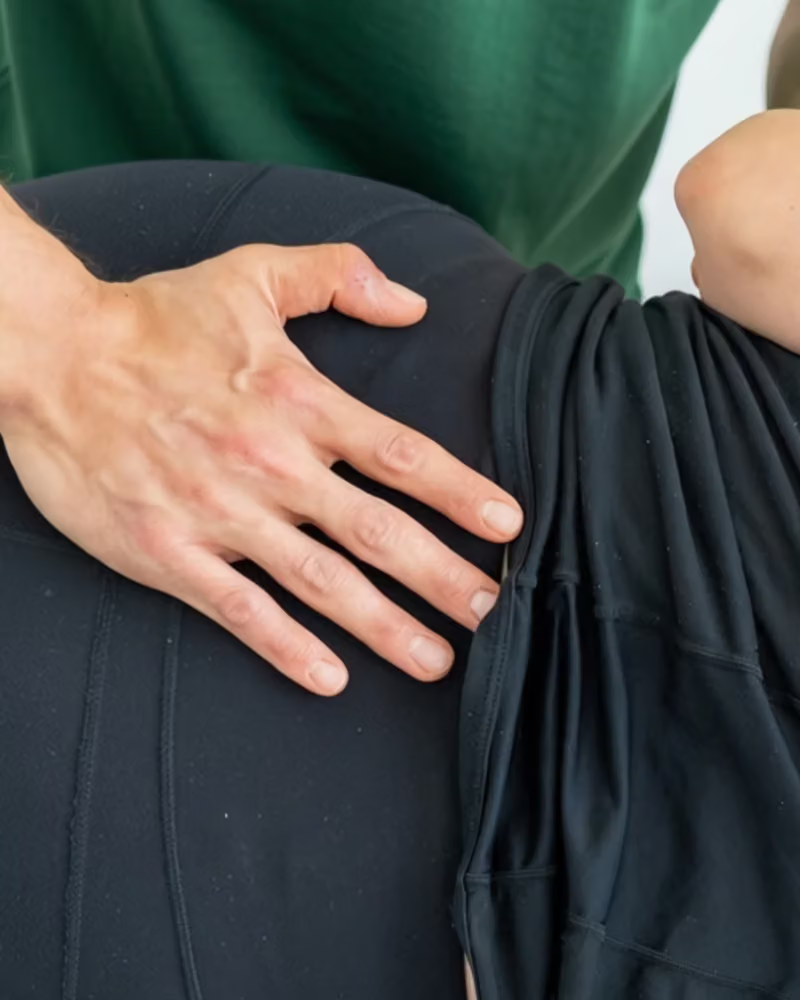
- Recover: we explain what is happening, adjust the activities that flare your pain and use hands-on treatment where it helps you move more comfortably.
- Rebuild: we progress forearm, grip and shoulder strength so your tendons can cope with more load. For stubborn tendon pain, we may discuss shockwave therapy.
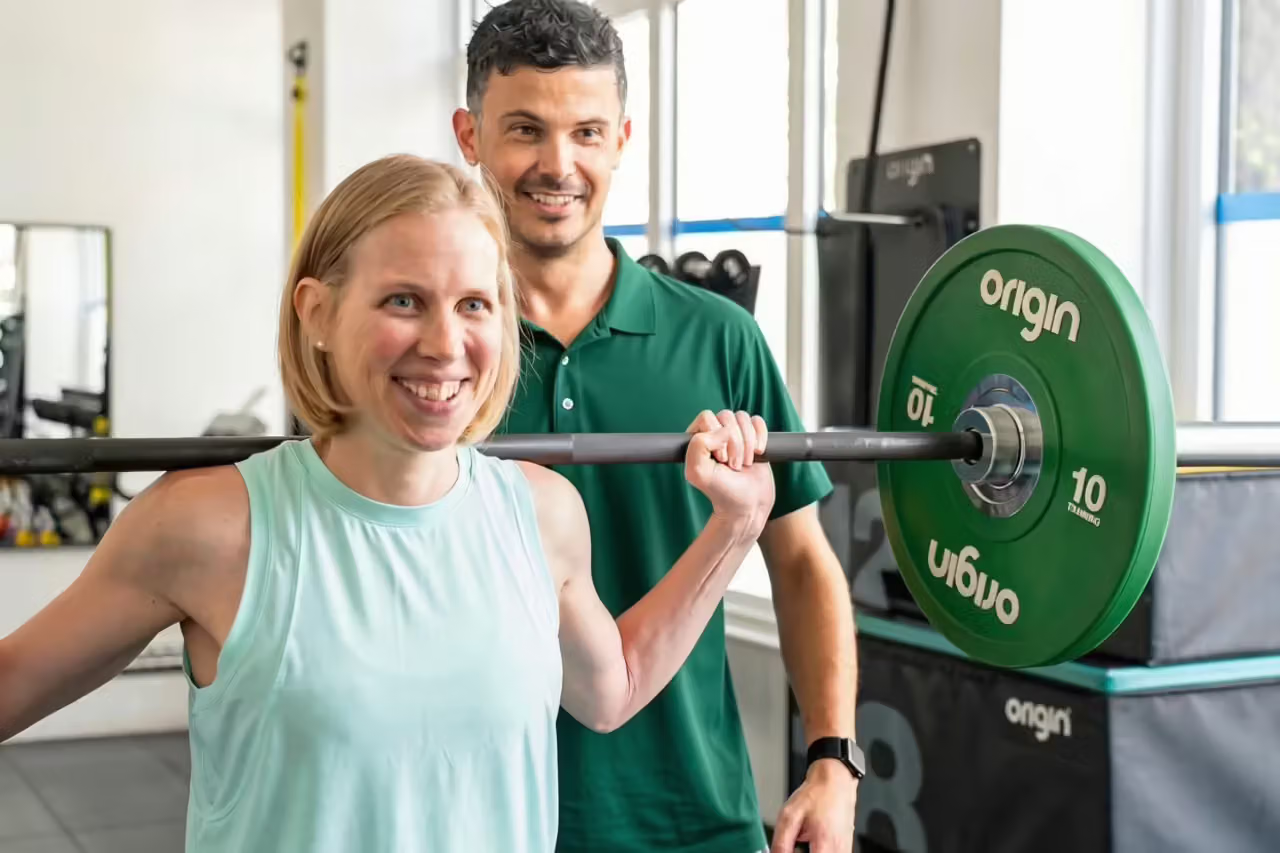
- Thrive: we plan your return to sport, lifting or a full working week, and can carry on in our gym through physio-led personal training.
You will leave with exercises on our home exercise app, with videos and clear descriptions, so you know exactly what to do between sessions.
Recovery time
Recovery time depends on the cause, how long you have had symptoms and the demands on your arm. Mild sprains can feel better within a few weeks. Tendon problems such as tennis elbow often take several months of steady, progressive loading to settle fully.
We cannot promise a fixed timescale, but we will give you a realistic idea after your assessment and review your progress with you at each session.
Who you will see
You will see one of our HCPC registered physiotherapists, led by our Clinical Director Patrick Kenny, who has over 15 years' clinical experience. Our team includes Senior Physiotherapists Leah Hanson and Jess Vernon. Every clinician spends at least three hours each week on training, so your care reflects current evidence. Learn more about our physiotherapy in Chiswick.
Our clinic is at 76-77 South Parade (opens in a new tab), opposite Acton Green Common, a short walk from Chiswick Park and Turnham Green stations.
No. You can book a private physiotherapy appointment directly. If you are claiming on health insurance, check your policy first, as your insurer may need a referral or authorisation code.
Usually not. Complete rest can weaken the tendons further. We help you adjust the activities that flare your pain while keeping your arm moving and gradually building strength.
A forearm strap can ease pain for some people during activity, but it does not fix the problem on its own. We use it alongside an exercise plan if it helps you stay active.
Yes, we can assess pins and needles and numbness in the hand, give advice on positions and night splints, and use exercises to help. If symptoms are severe or getting worse, we will advise you to see your GP.
An initial physiotherapy assessment is £99 for 60 minutes and a follow-up is £79 for 30 minutes. Appointments with our Clinical Director are £130 for an initial assessment and £90 for a follow-up.
Ready to pick things up without thinking twice? Book online or call our team on 020 3813 0114 to arrange your elbow or wrist assessment in Chiswick.